The Great Dog Park Debate: A Ponder Over a Pint
The other afternoon, with the rain lashing against the window pane in proper Peak District fashion, I was watching the ‘board of directors’. Buster, my food-obsessed Lab, was dreaming of dropped biscuits, twitching by the fire. Fern, the high-energy Spaniel, was bouncing off the furniture, desperate for a mission. And Margo, the rescue cat, was ruling the radiator with an iron paw. The question popped into my head, as it often does on a damp day: should I bundle them into the boot and head for the local dog park?
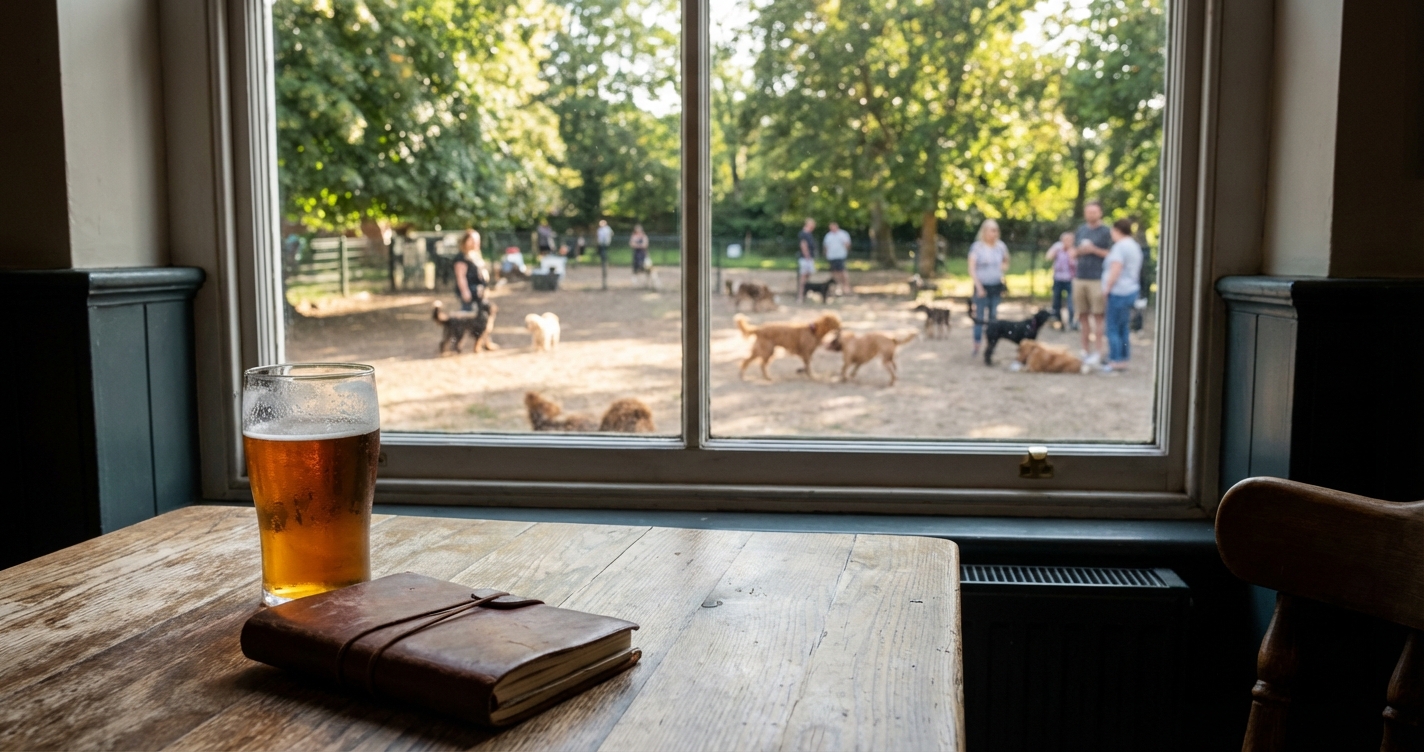
It sounds like a brilliant idea, doesn’t it? A secure field where they can tear about off the lead, socialise, and burn off that relentless Spaniel energy. But if you’ve spent any time leaning on the fence of one, you’ll know it’s a bit of a mixed bag. For every happy chase, there’s a dodgy-looking scuffle. So, let’s get the kettle on and have a proper chinwag. Are these parks a godsend or a gamble? I’ve had a word with the vet, and here’s the unvarnished truth.
The Upsides: More Than Just a Good Run-Around
On a good day, a dog park can be a fantastic asset. It’s not just about letting your dog run wild; there are some genuine benefits when everything aligns just right.
A Proper Social Mixer (For Pups and People)
Dogs, by and large, are social creatures. A well-run park provides a space for them to meet a variety of other dogs – different breeds, sizes, and temperaments. This can be brilliant for building their confidence and refining their social skills. It’s also a cracking way for us owners to meet like-minded folk and swap stories about whose dog has eaten the most questionable thing that week.
Letting Off Steam in a Safe Space
For those of us without a massive, securely-fenced garden, a dog park is one of the few places our hounds can enjoy a proper, full-pelt sprint off the lead without us worrying about roads or wandering livestock. This physical freedom is vital for their well-being, especially for energetic breeds like our Fern.
A Workout for the Brain, Not Just the Legs
A walk around the same old block can get a bit stale. A dog park is a symphony of new smells, new dogs, and new people. This mental stimulation is just as important as physical exercise. It engages their brain, staves off boredom, and can help reduce pesky behaviours at home that are born from a lack of enrichment.
The Downsides: Potential Pitfalls in the Pooch Park
Now for the other side of the coin. It’s not all wagging tails and friendly greetings. The park has a dark side, and it pays to be aware of the risks before you unclip that lead.
The Risk of Catching More Than a Ball
Let’s be blunt: when you get a lot of dogs in one place, you get a higher risk of shared germs. It’s an unfortunate fact of life.
Key Health Risks Include:
- Kennel Cough: A highly contagious respiratory infection that can spread like wildfire in close quarters.
- Parasites: Fleas, ticks, and internal worms like Giardia can be easily passed between dogs, especially if owners aren’t diligent with preventative treatments.
- Canine Papilloma Virus: Causes unsightly but usually harmless warts in a young dog’s mouth.
When Play Turns Problematic
Not all dogs play nicely. A game of chase can quickly turn into bullying if one dog is relentless or corners another. Size disparities can also lead to accidental injuries. Worse, you might encounter a dog with poor social skills or aggressive tendencies, and a nasty scuffle can happen in the blink of an eye, leading to vet bills and a terrified dog.
The Overwhelm Factor
For some dogs, particularly those of a nervous disposition, the constant barrage of new dogs, loud noises, and high energy is simply too much. This is known as ‘trigger stacking’ or overstimulation. Instead of being fun, the experience becomes intensely stressful, which can create lasting anxiety around other dogs.
The Human Element: When Owners Aren’t on the Ball
Honestly, the biggest problem in most dog parks isn’t the dogs—it’s their owners. The ones staring at their phones, sipping a coffee, and completely oblivious to the fact their dog is being a nuisance. Inattentive ownership is the root cause of most park-related problems.
The Big Question: Is Your Dog a Park Candidate?
So, how do you know if the park is right for your dog? It’s not a simple yes or no. You need to honestly assess your own four-legged friend. Run them through this quick ‘Mud Test’ checklist:
- Recall Reliability: Does your dog come back to you instantly, even when distracted by a squirrel, another dog, or a particularly interesting smell? If the answer is ‘sometimes’, you’re not ready.
- Social Graces: Are they generally polite when meeting new dogs on a lead? Do they read other dogs’ signals well, knowing when to back off?
- Good Health: Are they fully vaccinated and up-to-date on their flea and worming treatments? Never take a poorly or unvaccinated dog to a park.
- Temperament: A confident, playful, and resilient dog is a good candidate. A timid, fearful, or resource-guarding dog is not.
Watch for Stress Signals: A happy dog at the park has a loose, wiggly body and engages in reciprocal play (taking turns chasing). A stressed dog might show whale eye (wide eyes showing the whites), a tucked tail, lip licking, or constantly trying to hide behind you. If you see these signs, it’s time to leave.
A Bit of Park Etiquette: The Unwritten Rules
If you decide to give it a go, being a responsible owner is paramount. It’s not complicated, it’s just good manners.
- Stay Engaged: Your phone stays in your pocket. Your job is to supervise your dog.
- Pick Up the Poo: No excuses. It’s basic. It’s vital for hygiene.
- No Toys or Food: Bringing high-value items like balls or treats into a group of unknown dogs is asking for trouble. It can trigger resource guarding and fights.
- Control the Entrance: Don’t let your dog rush the gate as another dog is entering or leaving. This is a high-tension area.
- Know When to Intervene: If your dog is being a bully or is clearly uncomfortable, step in and remove them from the situation. A quick ‘time out’ on the lead can work wonders.
Beyond the Park Gates: Alternative Adventures
If you’ve read all this and thought, “You know what, it’s not for us,” then fear not. There are plenty of other ways to get the job done.
- Structured Playdates: Arrange a meet-up with a dog you know your own gets on well with. Quality over quantity.
- Secure Field Hire: Many places now hire out private, secure fields by the hour. It’s a brilliant way to let them run free without any other dogs about.
- Dog Sports & Classes: Activities like agility or scent work are fantastic for both mental and physical exercise in a controlled environment.
- Trail Hikes: Exploring new footpaths on a long lead offers fantastic stimulation and a great workout for you both.
The Final Verdict: Your Dog, Your Call
After weighing it all up, the dog park isn’t inherently ‘good’ or ‘bad’. It’s a tool. And like any tool, it can be brilliant when used correctly, but dangerous in the wrong hands or with the wrong dog. For some, it’s a social hub and an energy-burner. For others, it’s a cauldron of stress and risk.
The most important thing is to make an honest decision based on your individual dog’s personality, not on what you think they *should* enjoy. As for me? I think I’ll pop the lead on Fern for a long walk up the hills, and let Buster continue his biscuit-based dreams by the fire. That’s what passes the ‘Mud Test’ for my lot today.

Related Posts