From Ruined Lawn to Relaxed Afternoons
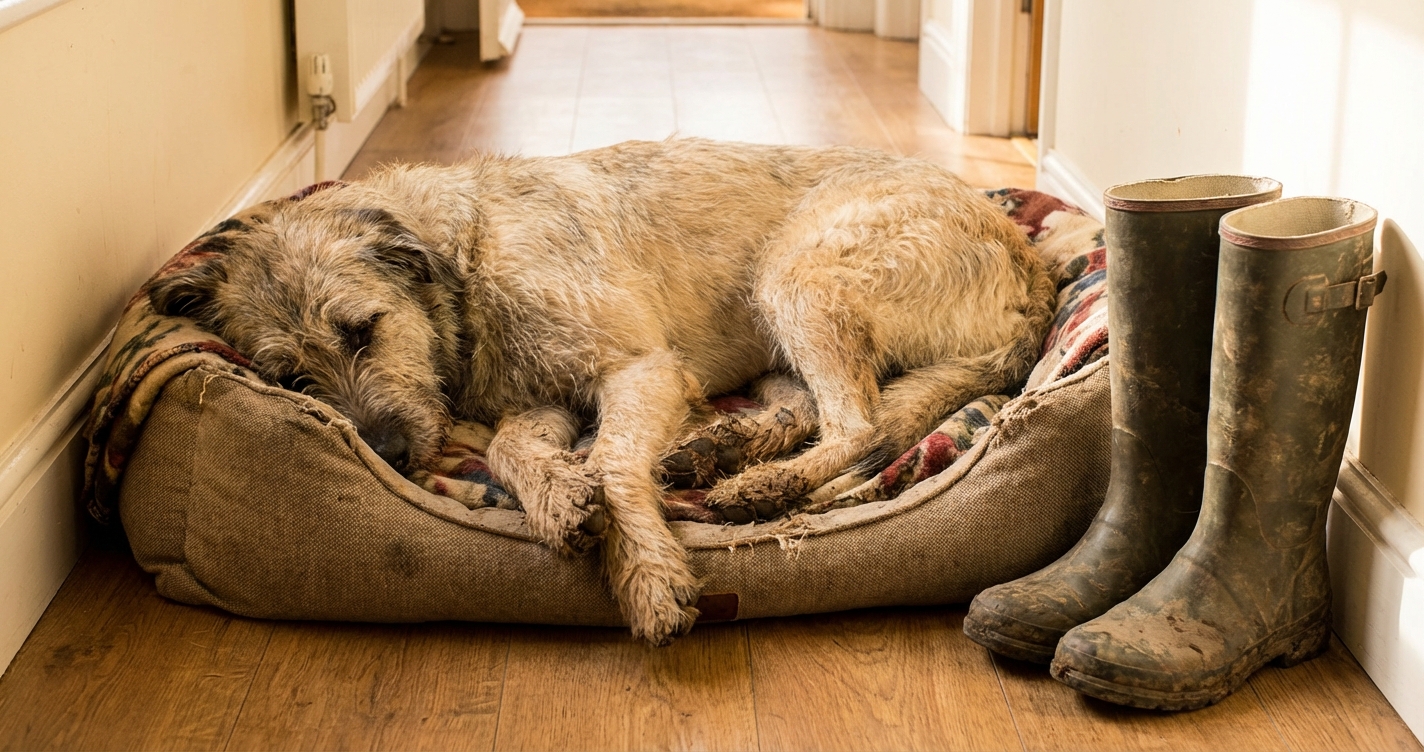
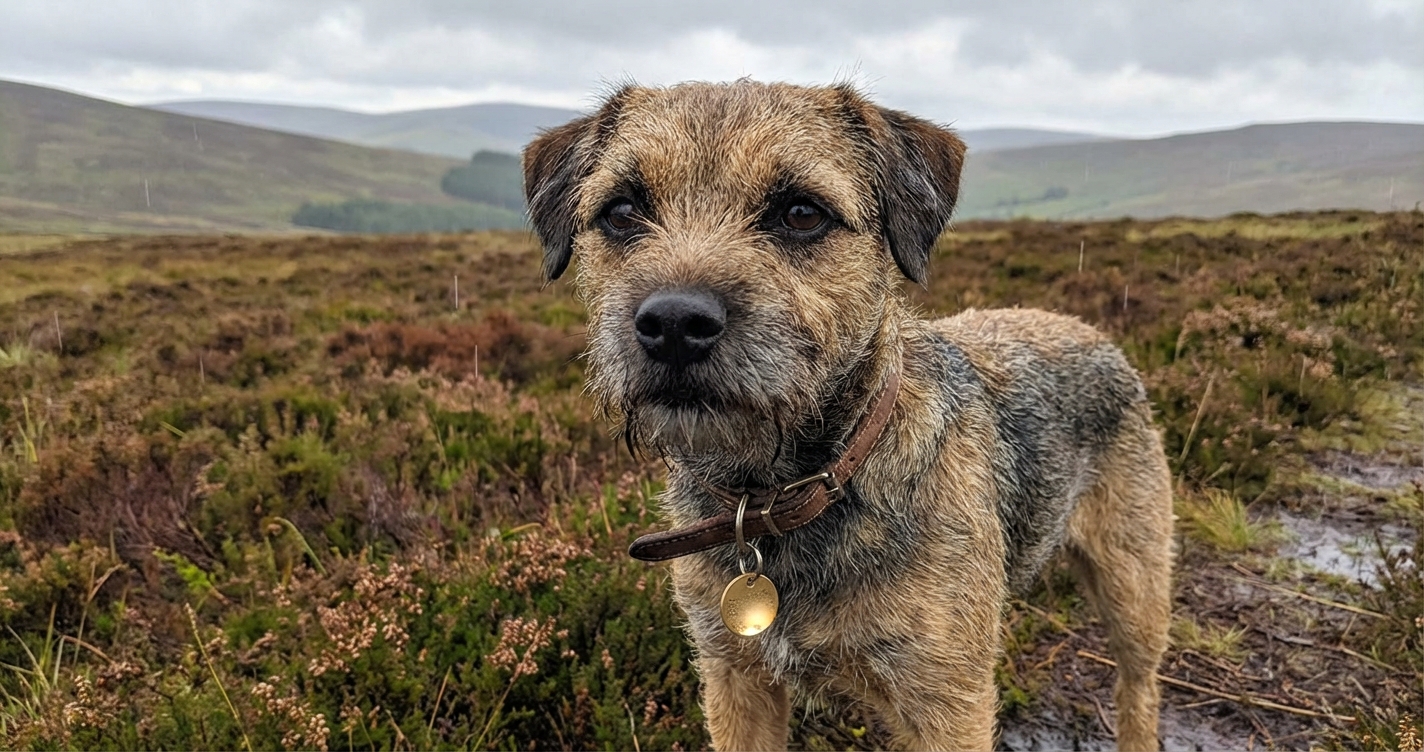
The other day, I looked out at the back garden after a typical Peak District downpour. It looked less like a lawn and more like a scene from a First World War documentary. The culprit? A very happy, very muddy Border Collie who thinks ‘digging for victory’ is still very much a thing. It got me thinking about a proper solution, one that gives him the freedom to be a dog without me needing to re-turf the lawn every autumn. And that, my friend, is where the humble dog run comes in.
So, What Exactly Is a Dog Run?
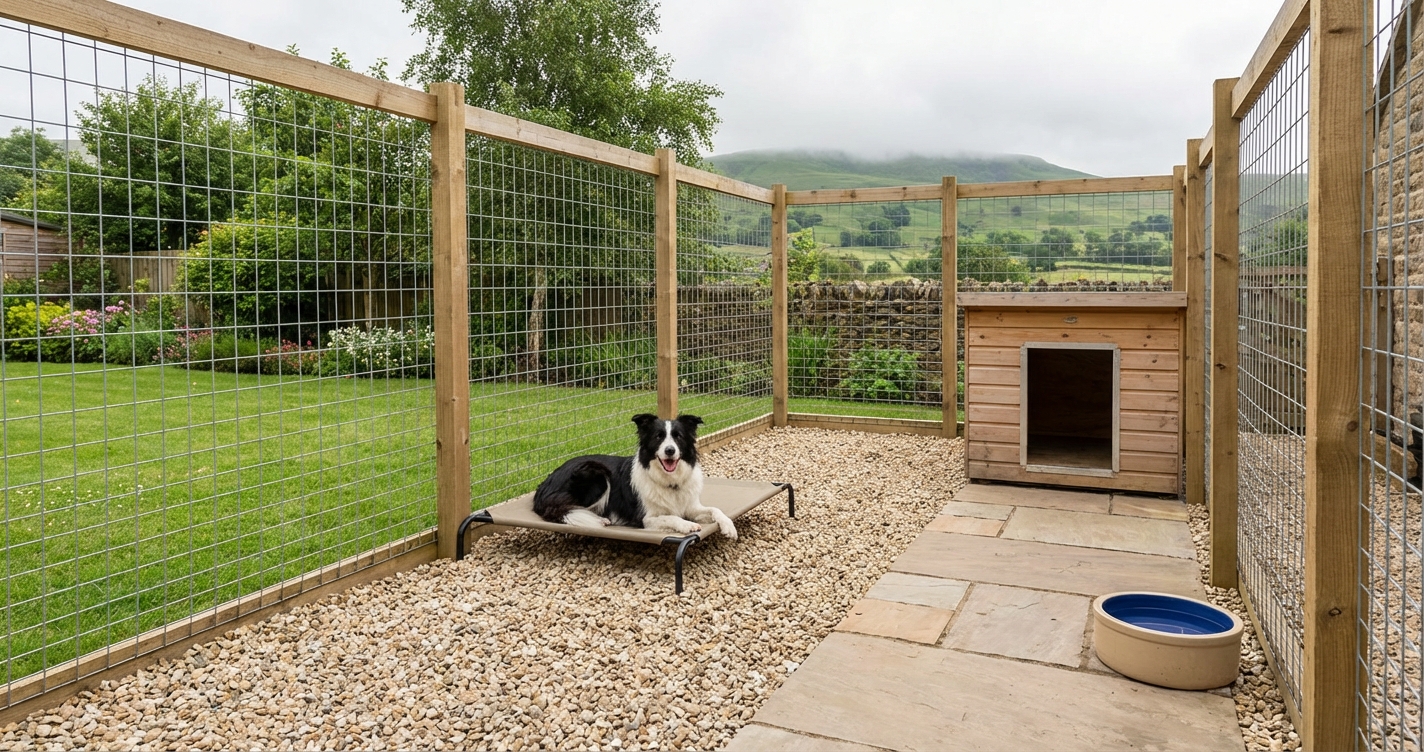
Right then, let’s get the definitions out of the way. A dog run is essentially a dedicated, secure outdoor space for your dog. It’s not a cage, and it’s not really a kennel (which is more of a dog-house). Think of it as your dog’s personal garden patio – a place where they can stretch their legs, get some fresh air, and answer the call of nature without having free rein over your prize-winning petunias.
It’s a designated area, usually fenced, that provides a safe and controlled environment. Unlike just letting them out into the garden, a run contains the chaos, keeping both your dog and your garden safe.
The Real-World Perks of a Proper Dog Run
I was a bit sceptical at first, thinking it seemed a bit restrictive. But when you weigh it up, the benefits are pretty clear, both for the dog and for your own sanity.
For Your Dog:
- Safety First: It keeps them away from potential hazards like poisonous plants, garden chemicals, or a weak spot in the fence you haven’t got round to fixing.
- Room to Move: A good run offers plenty of space for a proper leg-stretch and a bit of a potter, which is crucial for their physical and mental wellbeing.
- A Space of Their Own: Dogs often appreciate having their own territory. It can become their safe space to relax in the fresh air.
For You, The Owner:
- Peace of Mind: You can let the dog out knowing they are secure and can’t wander off or get into trouble. That’s one less thing to worry about.
- Garden Protection: Say goodbye to random holes in the lawn and chewed-up garden furniture. Your garden remains yours.
- Cleanliness is Key: It helps massively with house training and keeping muddy paws confined to one, easy-to-clean area. No more mopping the kitchen floor three times a day.
Choosing Your Setup: Common Types of Dog Runs
Dog runs aren’t a one-size-fits-all deal. The best one for you depends on your garden, your dog, and your DIY skills. Here are the main types you’ll come across:
The Classic Panel Run
This is what most people picture. It’s a standalone enclosure made from pre-fabricated panels, usually chain-link or galvanised steel bars.
The Good: They are sturdy, relatively easy to assemble, and can be moved if you decide to rearrange the garden later.
The Not-So-Good: They can look a bit industrial if you don’t integrate them into the garden design.
The Aerial or ‘Trolley’ Run
This is a bit different. It’s a long, heavy-duty cable suspended between two points (like the house and a tree). The dog wears a harness attached to a pulley that slides along the cable.
The Good: Gives the dog a lot of freedom to run back and forth over a large area without the cost of full fencing.
The Not-So-Good: Doesn’t protect your garden from them and requires constant supervision to prevent tangles.
The ‘Side-Return’ Special
This is a clever use of space. It involves fencing off the often-unused side passage of a house to create a long, narrow run.
The Good: Makes use of dead space, is often shaded, and keeps the main part of your garden free.
The Not-So-Good: Can be a bit narrow for larger dogs to get up a proper speed.
Getting the Foundations Right: Dog Run Flooring
What goes under their paws is just as important as the fences. You want something that’s comfortable for the dog, easy to clean, and drains well. Nobody wants a bog.
- Pea Gravel: A popular choice. It’s relatively cheap, drains brilliantly, and is easy to scoop and rinse. Just make sure the stones are rounded and small enough to be comfortable.
- Artificial Turf: Looks great and is soft on the paws. You need to make sure you install a proper drainage layer underneath, though, and it needs regular hosing down to prevent smells.
- Paving Slabs or Concrete: The ultimate for durability and ease of cleaning. You can just hose or jet wash it. However, it can be hard on a dog’s joints and gets very hot in summer, so it must be in a shaded area.
- Wood Chippings: A natural and soft option, but it breaks down over time, needs topping up, and can be a pain to clean thoroughly.
A practical takeaway: A combination often works best. For example, a concrete slab area where the kennel and water bowls sit, with a larger pea gravel section for toileting and play.
Building Your Own: A No-Nonsense Approach
Fancy giving it a go yourself? Building a basic panel run is a manageable weekend project. Here’s the gist of it.
Step 1: Plan Your Patch
Choose a spot in your garden. Think about drainage (avoid the lowest, boggiest point) and shade. A bit of shade from a tree or the house is ideal. Measure it out properly. A long, rectangular shape is often better than a square as it gives them more of a chance for a sprint.
Step 2: Get Your Materials
You’ll need your fencing panels, a gate panel, and the clamps or fixings to join them all together. Don’t skimp on the height – a determined dog can be a surprising high-jumper. 6ft is a safe bet for most medium to large breeds.
Step 3: Assemble the Frame
It’s usually a two-person job. Stand the panels up and clamp them together. Make sure it’s level and on stable ground. For a more permanent structure, you could concrete posts into the ground, but for most pre-made panel runs, this isn’t necessary.
Step 4: Secure the Gate and a Few Final Checks
Attach the gate, ensuring it swings freely and has a dog-proof latch. Give the whole structure a good shake to check for wobbly bits. Walk the perimeter and check for any gaps at the bottom a crafty dog could squeeze through.
Don’t Forget the Creature Comforts
A run is more than just a fence. To make it a truly positive space for your dog, it needs a few extras.
- Shelter: A must-have. A sturdy, weatherproof kennel gives them a place to get out of the rain or sun.
- Water: Always have fresh water available. A heavy ceramic bowl or a bucket clipped to the fence will prevent it from being knocked over.
- Comfort: A raised dog bed is a brilliant addition. It keeps them off cold or wet ground and allows air to circulate.
- Enrichment: Chuck a few tough, weatherproof toys in there to keep them occupied. A durable chew toy can work wonders.
And there you have it. A dog run isn’t about locking your dog away; it’s about creating a safe, practical space that works for them and for you. It means more happy outdoor time for them, and less time for you spent scrubbing mud off the kitchen tiles. And frankly, that sounds like a win-win to me.

Related Posts