Decoding Your Dog’s Digestive Distress: Signs and Potential Causes of a Sensitive Stomach
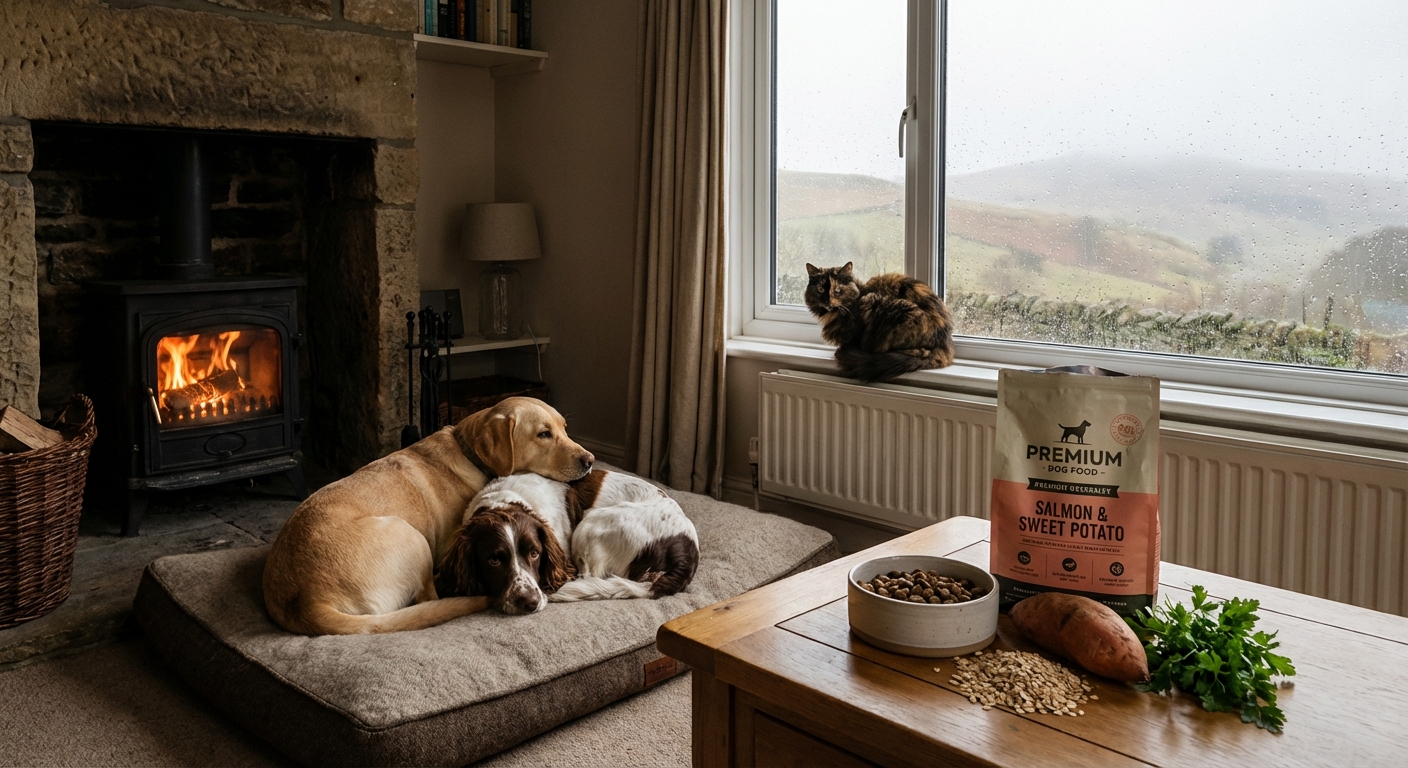
It was a Tuesday. The sort of damp, grey Peak District day where the fog sits on the hills like a wet blanket. Inside, the only sound was the crackle of the fire and a low, ominous gurgle coming from Buster, my food-obsessed Labrador. He was curled up tight, looking utterly miserable. We’ve all been there. That sudden bout of digestive distress that puts a stop to all fun. For our dogs, it’s no different.
Figuring out if your dog has a truly sensitive stomach or just ate something foul from the garden hedge is the first hurdle. A proper sensitive stomach is a recurring issue, not a one-off. The board of directors here—Buster, Fern the frantic Spaniel, and Margo the cat who judges us all from her radiator throne—have taught me to spot the signs. Keep an eye out for these persistent clues:
- Loose Stools or Diarrhoea: This is the most obvious and, let’s be honest, most unpleasant sign. If your dog’s poo is consistently soft, it’s a red flag.
- Excessive Wind: While Fern can clear a room after a walk, persistent, foul-smelling gas that’s out of the ordinary for your dog points to digestive trouble.
- Occasional Vomiting: A dog being sick now and then isn’t a five-alarm fire, but if it’s happening regularly, especially after meals, something isn’t right.
- A Rumbling Tummy (Borborygmi): Loud gut sounds can indicate that things are not moving along smoothly.
- Lack of Appetite or Picky Eating: If a previously greedy dog like Buster suddenly turns his nose up at his dinner, he might be associating food with discomfort.
The bottom line: These symptoms are often caused by a food intolerance or allergy. Unlike a true allergy, which involves the immune system, an intolerance is a digestive issue. The culprits are usually specific proteins (like beef or dairy) or an overload of rich, fatty ingredients.
The Key Ingredients for a Happy Gut: What to Look For and What to Avoid in Dog Food
Right, let’s get down to brass tacks. Standing in the pet food aisle can be overwhelming. The packaging is plastered with pictures of happy dogs bounding through sun-drenched fields. The reality is in the small print on the back. Here’s how to sort the wheat from the chaff.
What to Look For (The Good Stuff)
- A Single, High-Quality Protein Source: Look for food where the first ingredient is a specific, named meat like “deboned chicken,” “lamb meal,” or “salmon.” These novel proteins are often easier to digest than more common ones like beef.
- Highly Digestible Carbohydrates: Gentle carbs like sweet potato, oats, barley, and rice provide energy and fibre without upsetting the gut.
- Prebiotics and Probiotics: This is the stuff that fuels the good bacteria in your dog’s gut. Look for ingredients like Fructo-oligosaccharides (FOS), chicory root, or added probiotics. They’re brilliant for promoting a healthy digestive system.
- Added Fibre: A good mix of soluble and insoluble fibre from sources like beet pulp or pumpkin helps firm up stools and keeps things regular.
- Omega Fatty Acids: Ingredients like fish oil and flaxseed not only support skin and coat health but also have anti-inflammatory properties that can soothe an irritated gut.
What to Avoid (The Red Flags)
- Vague Ingredients: Steer clear of terms like “meat and animal derivatives” or “cereal derivatives.” If they can’t tell you what’s in it, you probably don’t want to know.
- Artificial Additives: There is absolutely no need for artificial colours, flavours, or preservatives in your dog’s grub. They can be a trigger for sensitivities.
- Excessive Fat: Rich, fatty foods are a common cause of pancreatitis and general digestive upset. Check the fat percentage on the label.
- Common Allergens: While every dog is different, beef, dairy, wheat, and soya are frequent offenders. If you suspect a problem, try a food that avoids these.
Grain-Free vs. Healthy Grains: The Truth About Your Dog’s Digestive Needs
A few years back, “grain-free” became the big thing, and you couldn’t move for bags of food boasting about it. But here’s a dose of Peak District practicality: a true grain allergy in dogs is actually quite rare. More often than not, the problem is the protein source, not the bit of barley it’s mixed with.
The Mud Test takeaway: Don’t automatically assume grain-free is better. In fact, for many dogs, healthy, whole grains like oats and brown rice are a fantastic source of fibre and nutrients that actively support digestion. The recent concerns linking some grain-free diets (particularly those heavy in legumes) to a heart condition called DCM mean it’s more important than ever to choose wisely. Unless your vet has specifically diagnosed a grain allergy, a well-formulated food that includes healthy grains is often the superior choice for a sensitive tum.
The Top-Rated Dog Foods for Sensitive Stomachs: A Comprehensive Review
Choosing the right food is about finding what works for your specific dog, your budget, and your lifestyle. Here’s a rundown of the main types and what they offer.
- Dry Food (Kibble): The most common and convenient option. For sensitive dogs, look for baked or cold-pressed varieties, as they can be gentler on the stomach. The best ones will have a limited list of high-quality ingredients.
- Wet Food: Excellent for hydration and often more palatable for picky eaters. The soft texture is easy to digest, but it can be pricey and less effective at cleaning teeth. A great choice for older dogs or those in recovery.
- Fresh & Cooked Food: These subscription services deliver pre-portioned, human-grade meals. They are fantastically digestible and transparent with their ingredients, but they come with a hefty price tag and require freezer space.
- Limited Ingredient Diets (LID): Designed for elimination diets. These foods contain just one protein and one carbohydrate source, making it much easier to pinpoint what your dog is reacting to. A brilliant diagnostic tool, best used with guidance from your vet.
A Closer Look: Our Pick of the Best-Performing Food Types
After many discussions with our vet and plenty of real-world trials with Buster’s delicate constitution, these are the types of food that consistently pass the Mud Test.
1. The Scottish Salmon & Sweet Potato Kibble
Best For: Dogs with suspected poultry or beef sensitivities.
Key Ingredients: Salmon is the star—a fantastic, easily digestible protein packed with Omega-3s. Sweet potato provides slow-release energy and fibre.
The Mud Test: This type of food has been a game-changer for us. The fish-based formula is a hit, the kibble doesn’t smell too grim, and most importantly, the output is consistently firm and healthy. A solid, reliable choice.
2. The Lamb & Rice Veterinary Diet
Best For: Seriously sensitive dogs requiring vet supervision.
Key Ingredients: Often uses hydrolysed proteins, which are broken down so the immune system doesn’t recognise them as allergens. Combined with a simple, single carb source like rice.
The Mud Test: This is the big gun you bring out when nothing else works. It’s not the most exciting recipe, but its clinical effectiveness is undeniable. It stops digestive upset in its tracks. You’ll need to get it from your vet, and it’s not cheap, but for peace of mind, it’s worth it.
3. The Simple Wet Food with Turkey & Root Veg
Best For: Fussy eaters, older dogs, or as a tasty topper.
Key Ingredients: A simple, grain-free recipe with just a few ingredients: turkey, carrot, and parsnip, for example. High moisture content aids digestion.
The Mud Test: Fern, our spaniel, would live off this if she could. It’s highly palatable and disappears in seconds. It’s perfect for tempting a dog with a poor appetite and the high water content is a real bonus for gut health.
A Step-by-Step Guide to Safely Switching Your Dog’s Food
Found a food you think will work? Brilliant. But don’t just swap it over in one go unless you want to be cleaning up a protest-poo at 3 a.m. A slow and steady transition is key.
- Days 1-2: 75% old food, 25% new food.
- Days 3-4: 50% old food, 50% new food.
- Days 5-6: 25% old food, 75% new food.
- Day 7 onwards: 100% new food.
A crucial tip: Keep an eye on your dog’s toilet habits throughout this period. If things go south, slow down the transition. And whatever you do, don’t start a food switch the day before you go away for the weekend!
Frequently Asked Questions from Concerned Pet Parents
How quickly will I see a difference after changing food?
You should start to see an improvement in stool quality and a reduction in wind within a week or two. For skin issues related to food intolerance, it can take up to 8-12 weeks for the full benefits to show.
Is it worth giving my dog a probiotic supplement?
For many dogs with sensitive guts, yes. A good quality canine probiotic can help rebalance the gut flora and support digestive health, especially during a food transition. Have a chat with your vet about the best one to use.
When should I see a vet about my dog’s stomach?
This is the most important question. If your dog’s symptoms are severe, include blood in the stool, or are accompanied by lethargy and weight loss, stop reading the internet and book a vet appointment immediately. A persistent sensitive stomach always warrants a professional check-up to rule out underlying medical conditions.

Related Posts