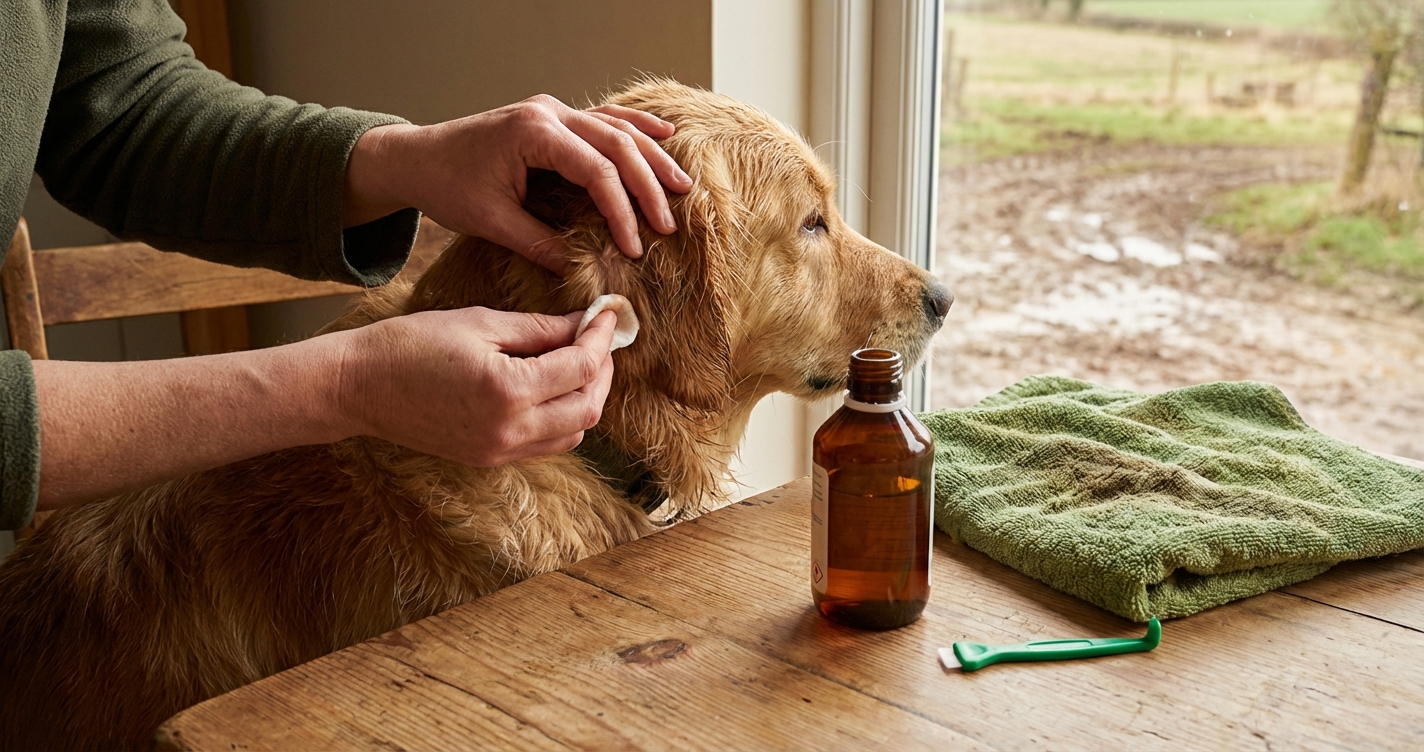

Are Your Dog’s Sore Ears a Problem for the Whole Pack?
The other week, Fern, my whirlwind of a Spaniel, came barrelling back from a particularly boggy walk along the Derwent. She celebrated, as she always does, with a full-body shake that sprayed the kitchen with peaty water. But then came a second shake, a more violent, head-focused one. And a third. I peered into her floppy ear and was met with a whiff that was… well, less than pleasant. My first thought, after grabbing the ear cleaner, was for my food-obsessed Lab, Buster, snoozing by the aga. Could he catch it? And what about Margo, the rescue cat currently ruling the radiator? Suddenly, a mucky ear felt like a household-wide problem.
It’s a common enough worry. You spot the tell-tale head shaking or scratching and wonder if you need to quarantine the patient. So, let’s get this sorted. We’ll have a look at what’s really going on in your dog’s lughole and whether you need to worry about it spreading.
The Short Answer: Are Dog Ear Infections Contagious?
Right, let’s not beat around the bush. For the vast majority of cases, the answer is a reassuringly simple one: No, the typical dog ear infection is not contagious to other dogs, cats, or humans.
Most infections are a secondary problem, a flare-up of bacteria or yeast that were already living harmlessly in the ear. These opportunists only cause trouble when the ear’s environment changes, creating the perfect conditions for them to multiply. This is known as Otitis Externa, which is just the fancy veterinary term for inflammation of the outer ear canal.
The Big Caveat: When an Ear Infection CAN Spread
Now for the rub. There is one major exception to the rule, and that’s when the root cause of the ear trouble isn’t bacteria or yeast, but a tiny, eight-legged parasite.
The Culprit: Pesky Ear Mites (Otodectes cynotis)
Ear mites are minuscule parasites that live on the surface of the skin in the ear canal, feeding on wax and skin oils. They are highly contagious and spread easily through direct contact between animals. If you have a multi-pet household, these critters will happily pack their bags and move from the dog to the cat and back again.
- Highly Contagious: They spread like gossip at the village pub, primarily through close physical contact.
- Who’s at Risk? Puppies and rescue dogs are particularly common hosts, but any dog can pick them up.
- The Result: The irritation and waste products from the mites cause intense itching and can lead to a secondary bacterial or yeast infection.
Spotting the Signs of Ear Mites
While a vet’s microscope is the only way to be 100% certain, the classic sign of ear mites is different from a standard infection. Look out for:
- A dark, crumbly discharge that looks like coffee grounds. This is the most telling symptom.
- Intense itchiness. More frantic scratching and head shaking than with a typical infection.
- Scabs or scratches around the ear from all that frantic scratching.
A Quick Word on Contagiousness to Humans
Worried you might catch something while administering ear drops? You can relax. The common causes of dog ear infections, including the highly contagious ear mite Otodectes cynotis, are not considered a risk to people. They have a strong preference for our four-legged friends and won’t set up shop in a human ear.
The Usual Suspects: Common Causes of Non-Contagious Ear Problems
If it’s not mites, what’s causing your dog’s discomfort? The underlying issue is usually one of these culprits, which creates the perfect warm, damp environment for an infection to take hold:
- Bacterial Infections: Often present with a yellow or greenish discharge and a nasty smell.
- Yeast Infections: Caused by an overgrowth of Malassezia yeast, leading to greasy, brown, and particularly foul-smelling discharge.
- Allergies: A huge one. Food or environmental allergies often manifest as chronic skin and ear problems. If your dog gets recurring infections, allergies are a likely suspect.
- Trapped Moisture: For dogs like Fern who love a good swim, water trapped in the ear canal is a prime breeding ground for bacteria. This is why dogs with floppy ears are more prone to issues.
- Foreign Bodies: A sneaky grass seed working its way down the ear canal can cause immense pain and lead to a swift infection.
- Ear Shape: Breeds with long, heavy ears (like Spaniels and Basset Hounds) have less air circulation, creating a perfect humid environment for infections.
Your Mite Outbreak Action Plan: A Practical Guide
If your vet confirms ear mites, it’s time for action. This isn’t just about treating one dog; it’s about decontaminating the house to prevent a re-infestation. This plan passes ‘The Mud Test’ with flying colours – it’s practical and it works.
Step 1: Get a Proper Diagnosis from the Vet
Don’t guess. That ‘coffee ground’ gunk could be dried blood mixed with wax from a different issue. Your vet needs to take a swab and look under the microscope to confirm it’s mites. They will then prescribe the correct medicated ear drops to kill the mites and any secondary infection.
Step 2: Treat EVERY Animal in the House
This is non-negotiable. Mites are incredibly mobile. Even if Buster the Lab and Margo the cat aren’t showing symptoms, they are almost certainly carrying a few stowaways. Your vet will advise on the appropriate treatment for all your pets to break the cycle of re-infection.
Step 3: Operation Deep Clean
Mites can temporarily survive in the environment. It’s time for a proper spring clean, no matter the season.
- Bedding & Soft Toys: Wash all pet bedding, blankets, and fabric toys on a hot wash (over 60°C if possible) to kill any stray mites.
- Hoover Everything: Thoroughly hoover carpets, sofas, dog beds, and any other places your pets like to lounge. Pay special attention to crevices.
- Grooming Tools: Clean all brushes, combs, and grooming equipment to prevent re-contamination.
Prevention Is Better Than a Vet Bill: Keeping Lugs Healthy
A bit of regular maintenance can go a long way in preventing ear trouble before it starts.
- Dry After Water: After a swim or a bath, gently dry the inside of your dog’s outer ear flap with a bit of cotton wool.
- Regular Checks: Once a week, have a quick look and a sniff of your dog’s ears. You’ll quickly learn what’s normal for them, making it easier to spot when something’s amiss.
- Use a Proper Cleaner: If your dog is prone to waxy build-up, ask your vet to recommend a gentle, non-irritating ear cleaner and show you the correct technique. Never poke cotton buds down the ear canal!
Your Vet Visit Checklist
If you’re heading to the vet, it helps to have your thoughts in order. Here’s what to be ready to tell them:
- When did you first notice the symptoms?
- Which symptoms are you seeing? (e.g., head shaking, scratching, smell, discharge). Describe the discharge colour and consistency.
- Is it affecting one ear or both?
- Has your dog had ear infections before?
- Have there been any recent changes in diet, routine, or environment?
- Are there any other pets in the house, and are they showing signs?
Frequently Asked Questions
How are contagious ear mites in dogs treated?
Treatment is usually straightforward. Your vet will prescribe a medicated ear drop that kills the mites. Some spot-on flea treatments also treat ear mites. It’s crucial to complete the full course of treatment, even if the symptoms improve quickly, to ensure all mite life stages are eliminated.
If one of my dogs has ear mites, do I need to treat all my pets?
Yes, absolutely. This is the most important part of successful treatment. Ear mites spread very easily between dogs and cats that live together. All in-contact animals must be treated at the same time to prevent them from simply passing the mites back and forth.
Can I use over-the-counter medication for my dog’s ear infection?
It’s strongly advised not to. Without a proper diagnosis, you don’t know what you’re treating. Using an anti-bacterial drop on a yeast infection won’t work, and neither will treat ear mites. More importantly, if the eardrum is ruptured (which can happen with severe infections), putting the wrong substance down the ear can cause permanent damage. Always see your vet first.

Related Posts