Can a Dog Have a Carrot? The Short Answer from a Peak District Kitchen
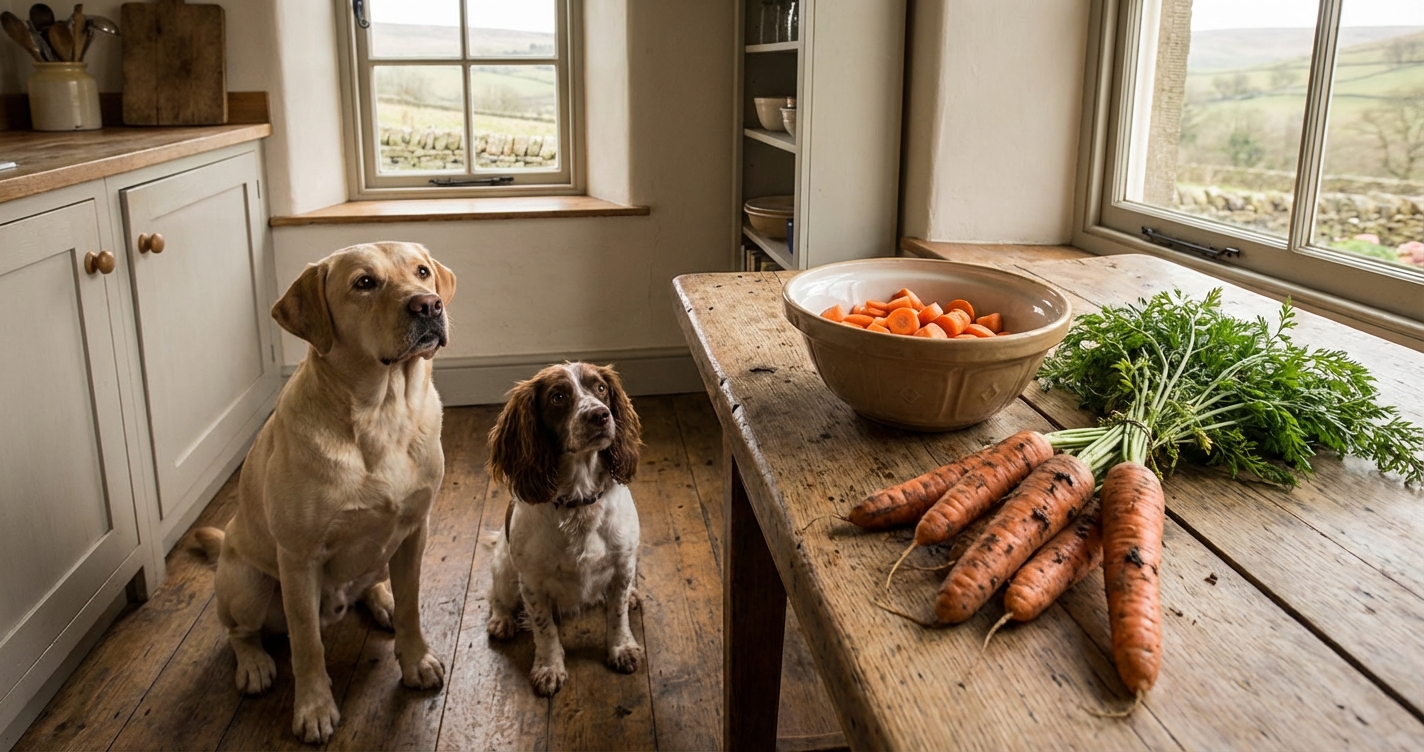
The other day, I was wrestling with the weekly veg box, trying to stop a muddy avalanche of potatoes from rolling under the sofa. I turned my back for a second, and Buster, our food-obsessed Labrador, had already pilfered a carrot. He was sat there, tail thumping, crunching away like he’d discovered the world’s best contraband. It’s a common scene in our house, and it always sparks the question.
So, let’s get straight to it, shall we? Yes, dogs can absolutely eat carrots. In fact, this humble root veg is one of the best and most affordable treats you can offer your four-legged mate. They are a vet-approved, low-calorie snack packed with goodness. But, like a ramble up Kinder Scout, you need to be properly prepared. There’s a right way and a wrong way to go about it.
Are Carrots Actually Good for Dogs? (The Nutritional Nitty-Gritty)
Right then. That satisfying crunch isn’t just for show. Giving your dog a carrot is more than just a way to keep them quiet for five minutes. They are genuinely beneficial for your dog’s health, and here’s why:
- Full of Vitamins: Carrots are loaded with Vitamin A (from beta-carotene), which is brilliant for your dog’s eyesight, skin, coat, and immune system. Think of it as a natural tune-up.
- Good for the Gut: They are a fantastic source of fibre, which helps keep your dog’s digestive system regular and running smoothly. A happy gut means a happy hound.
- Low in Calories & Fat: Unlike many shop-bought biscuits, carrots are naturally low in calories and fat. This makes them a perfect treat for dogs on a diet or those of us trying to keep our pooches at a healthy weight (I’m looking at you, Buster).
- A Natural Toothbrush: The crunchy, abrasive texture of a raw carrot can help scrape away plaque from their teeth as they chew, promoting better dental health and fresher breath. It’s not a replacement for proper brushing, mind, but every little helps.
Hold Your Horses: Potential Risks of Carrots for Dogs
Now, before you tip the entire bag onto the floor, there are a couple of common-sense warnings. It’s not a free-for-all at the veg rack. The main things to watch out for are choking and giving them too much of a good thing.
- Choking Hazard: This is the big one. A whole carrot given to a small dog, or even a greedy big dog who forgets to chew, can easily become a choking hazard. Always cut carrots into bite-sized, manageable pieces that are appropriate for your dog’s size. A chunk that’s fine for Buster the Lab is a serious risk for a little Jack Russell.
- Digestive Upset: Carrots contain natural sugar. While much better than the processed stuff, too much can lead to an upset stomach or diarrhoea. The high fibre content can also cause a bit of a rumble in the tummy if they overindulge.
A key takeaway: Treats of any kind (including carrots) should only make up about 10% of your dog’s daily calorie intake. Moderation is everything.
The Right Way to Serve Carrots (Passing The ‘Mud Test’)
Here at Pardon My Pet, we run everything through the ‘Mud Test’ – is it practical, is it messy, and is it worth the effort after a wet walk? Carrots pass with flying colours because they’re so versatile.
Raw vs. Cooked: Does it Matter?
Both are perfectly safe, but they offer slightly different benefits. Raw carrots are best for that tooth-cleaning crunch. Cooked carrots (steamed or boiled, with no salt, butter, or seasoning!) are softer and easier to digest, which can be better for older dogs or those with sensitive stomachs. Cooking also helps break down the cell walls, making the beta-carotene slightly easier for their bodies to absorb.
Simple Serving Ideas From Our Kitchen
- The Classic Crunch: The easiest option. Wash it, peel it (or don’t – see the FAQ), and chop it into sensible chunks. Job done.
- The Frozen Teether: A fantastic, free-of-charge soother for teething puppies. A whole, large, frozen carrot gives them something cold and hard to gnaw on under supervision. Just be sure to take it away before it thaws enough to become a choking risk.
- The Dinner Topper: Finely grate some raw carrot over their usual grub. It’s an easy way to add a few extra nutrients and a bit of texture. Even Margo, our fussy rescue cat, has been known to tolerate a few shreds.
- Carrot & Apple ‘Pupsicles’: On a warm day, blend some cooked carrot and a bit of apple (no pips or core!) with a splash of water, pour into an ice cube tray, and freeze. A top-tier treat that passes the Mud Test with minimal floor-wiping required.
How Many Carrots is Too Many?
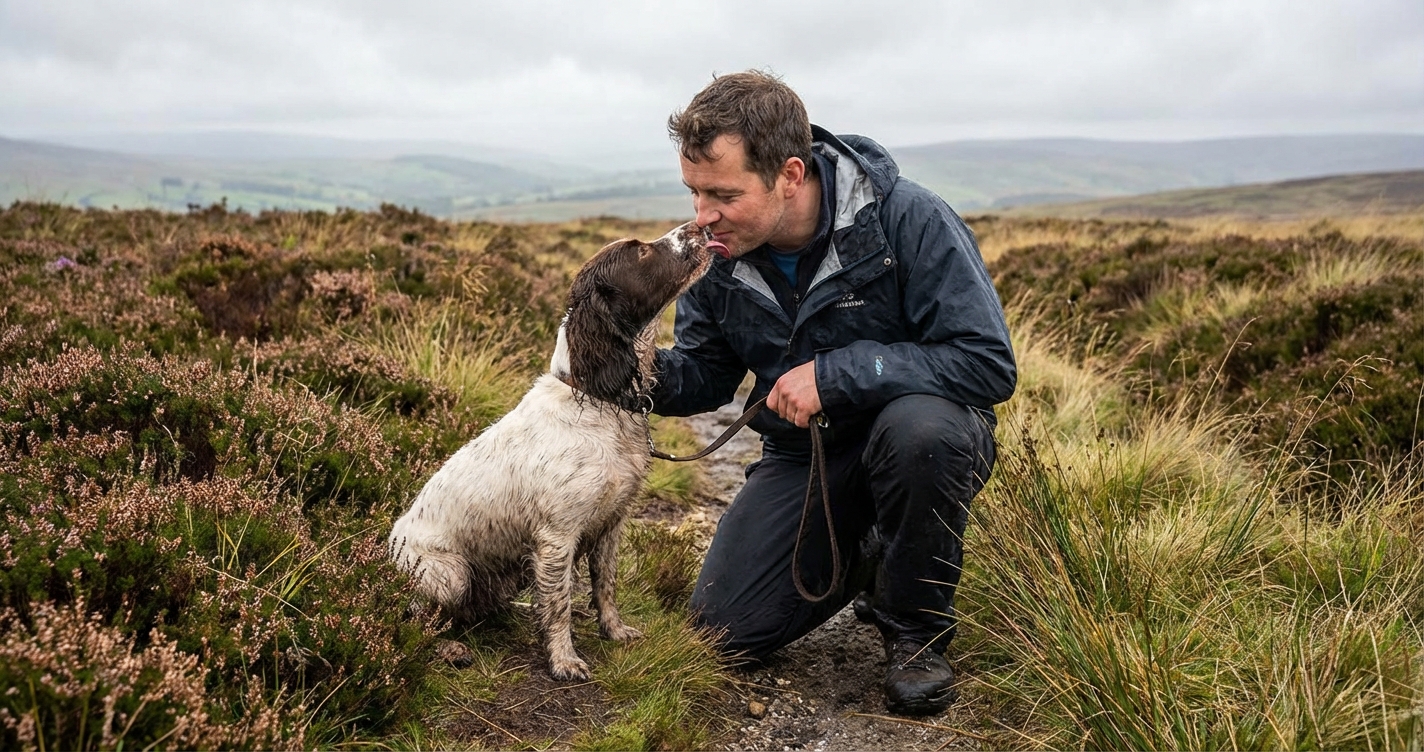
This all comes down to the 10% rule and the size of your dog. There’s no single magic number, but use your noggin. A tiny dog might have a few small, circular slices. A medium dog like our spaniel, Fern, might have half a carrot. A big lump like Buster could have a whole one. Just remember it’s a treat, not a meal replacement. If your dog has any health conditions like diabetes, have a word with your vet first.
Your Carrot Questions Answered (The Pub Quiz Round)
Let’s clear up a few of the common queries with some quick-fire answers.
Can puppies eat carrots?
Yes! They’re great for puppies, especially when they’re teething. Just make sure you cut the pieces extra small to avoid any choking risk, or use the large frozen carrot trick under close supervision.
Can dogs eat carrot peels?
They can. The peel contains plenty of nutrients. As long as you’ve given the carrot a proper scrub to get rid of any dirt and pesticides, the peel is perfectly safe to leave on.
Are frozen carrots safe for dogs?
Yes, and they are a brilliant, long-lasting chew. They are particularly good for soothing the gums of a teething pup or for cooling down a hot dog in the summer. Just make sure the carrot is large enough that they can’t swallow it whole.
Can dogs eat cooked carrots?
Absolutely. Just make sure they are plain. Never give a dog carrots that have been cooked with onions, garlic, salt, herbs, or butter, as these can be harmful.

Related Posts