Can a Dog Be Spayed While She’s in Heat? The Short Answer
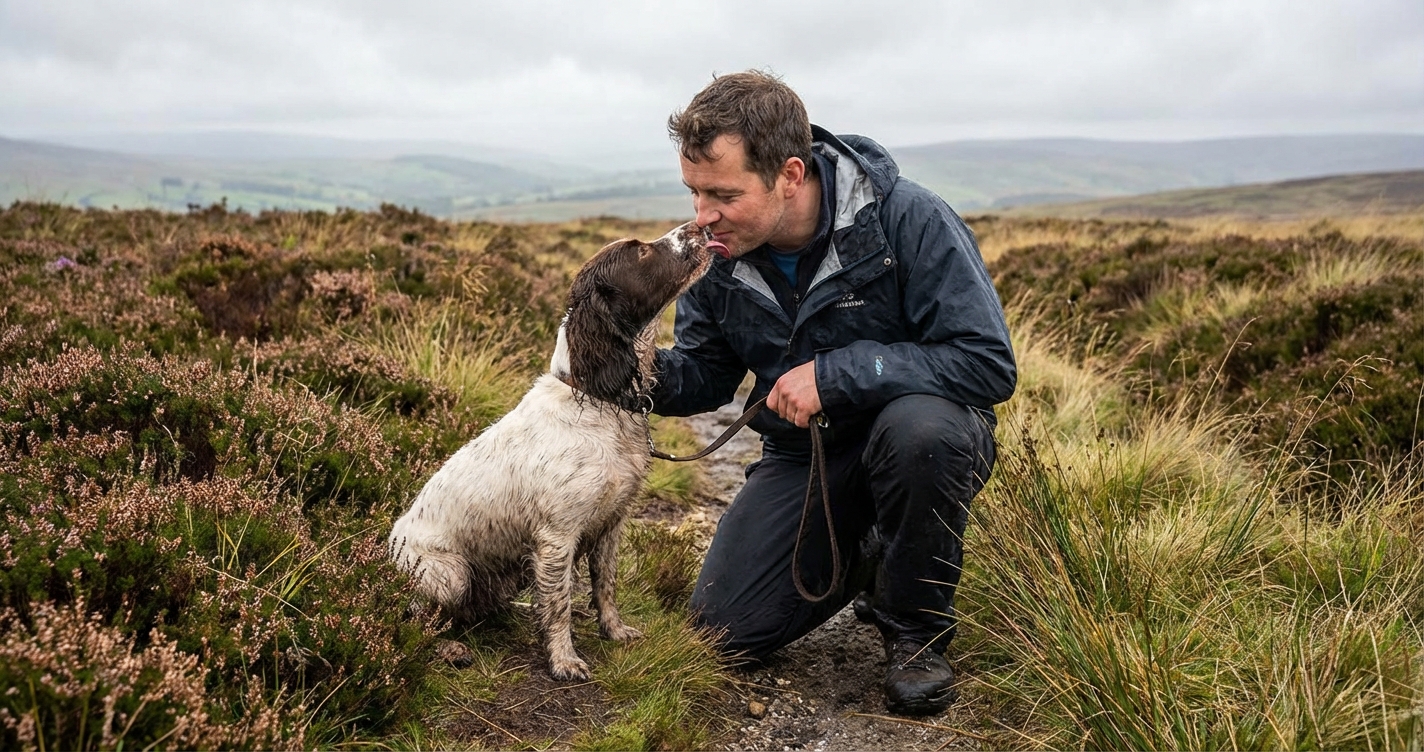
Right then, let’s get straight to it. The kettle’s just boiled. You’ve got a spay appointment booked for your lovely girl, and Murphy’s Law being what it is, she’s decided to come into her first season. Classic. I had this exact panic with Fern, my whirlwind of a Spaniel. One minute she’s chasing squirrels, the next, she’s leaving little calling cards on the kitchen floor and looking at Buster the Lab with a newfound interest he simply doesn’t understand.
So, can the operation still go ahead? Yes, technically, a dog can be spayed while she is in heat. Many vets have the skill and experience to do it. However – and this is a rather large ‘however’ – it’s not the ideal scenario, and most vets would much rather wait if they can.
The Sticking Point: Why Vets Prefer to Wait
Imagine trying to do some delicate rewiring in your house, but someone’s left all the power on. That’s a rough analogy for what a vet faces when spaying a dog during her oestrus cycle (the proper term for her season). When a female dog is in heat, her body is primed for making puppies. This means her reproductive organs, particularly the uterus and the blood vessels supplying it, are swollen and engorged with blood. The tissues can become what vets call ‘friable’, which is a fancy way of saying they are more delicate and can tear easily.
This biological state of readiness introduces a few extra challenges to the surgery:
- Increased Bleeding (Haemorrhage): Those swollen blood vessels are much more likely to bleed during the procedure. A skilled surgeon can manage this, of course, but it complicates matters and makes the job trickier.
- More Complex Surgery: Because everything is enlarged and more delicate, the surgery requires more time, more precision, and more sutures to tie off the blood vessels securely.
- Longer Anaesthesia Time: A more complex surgery naturally means your dog will be under anaesthetic for longer, which always carries a small, inherent risk.
- Slightly Tougher Recovery: There may be more post-operative swelling or bruising, meaning recovery might require a bit of extra vigilance from you.
Does it Cost More to Spay a Dog on Her Season?
In a word, yes. It usually does. Don’t be surprised to see an ‘in-season’ or ‘in-heat’ surcharge on your final bill. This isn’t the vet being opportunistic; it’s a fair reflection of the extra work involved. The surcharge covers the increased surgical time, the additional materials like sutures, and the higher level of risk and concentration required from the veterinary team. It’s always best to be upfront and ask your practice about their policy if your dog starts her season before her appointment.
The Pub Test: Should You Postpone the Op?
This is the real question, isn’t it? It’s a decision to be made between you and your vet. But to help you gather your thoughts before you make the call, here’s a little checklist to run through – the kind of thing you’d mull over with a pint.
- Your Dog’s Situation: Can you realistically manage her for the next 3-4 weeks? This means lead-walks only, no off-lead romps in the park, and keeping her securely away from any unneutered male dogs. With a placid dog, it’s a doddle. With a high-energy escape artist like Fern, it’s a military operation.
- Your Vet’s Comfort Level: This is the most important bit. Have a frank chat with your vet. Do they routinely perform spays on dogs in heat? Are they confident about it? Their expertise and comfort level are paramount. If they strongly advise waiting, you should listen.
- The Urgency: Is there a pressing reason to go ahead? For example, in rescue centres, they often have to spay when they can to get dogs ready for their new homes. Or perhaps you’re moving house and can’t postpone. If there’s no urgent need, waiting is often the most sensible path.
- The Financials: Are you prepared for the extra cost? A quick call to the reception can clear this up so there are no surprises.
What’s the Alternative? The Waiting Game
If you and your vet decide to postpone, what’s the plan? You can’t just rebook for the week after her season ends. Her internal organs are still a bit swollen and hormonal for a while afterwards.
The general rule of thumb is to wait for 2 to 3 months *after* her season has completely finished. This gives her body ample time to return to its normal, dormant state (known as anoestrus). At this point, the blood supply to the uterus is back to normal, making the surgery much more straightforward, safer, and quicker.
A Quick Reminder: The Big Benefits of Spaying
While we’re discussing the timing, it’s worth remembering why we put our dogs (and ourselves) through this in the first place. The benefits are massive and life-long:
- No Unwanted Litters: The most obvious one, but a crucial part of responsible dog ownership.
- Prevents Pyometra: This is a life-threatening infection of the womb that is horribly common in older, unspayed females. Spaying eliminates this risk entirely.
- Reduces Cancer Risk: Spaying, especially before the second season, dramatically reduces the risk of mammary tumours (breast cancer) later in life.
- No More Messy Seasons: You can put the doggy pants and the floor cleaner away for good. Your radiators will also be safe from the affections of Margo, my cat, who finds the whole process fascinating.
Post-Op Care: The Mud Test for a Dog Spayed in Heat
If you do go ahead with the spay during her season, the aftercare is broadly the same, but it pays to be extra careful. This is where the plan passes ‘The Mud Test’ – real life with a recovering dog.
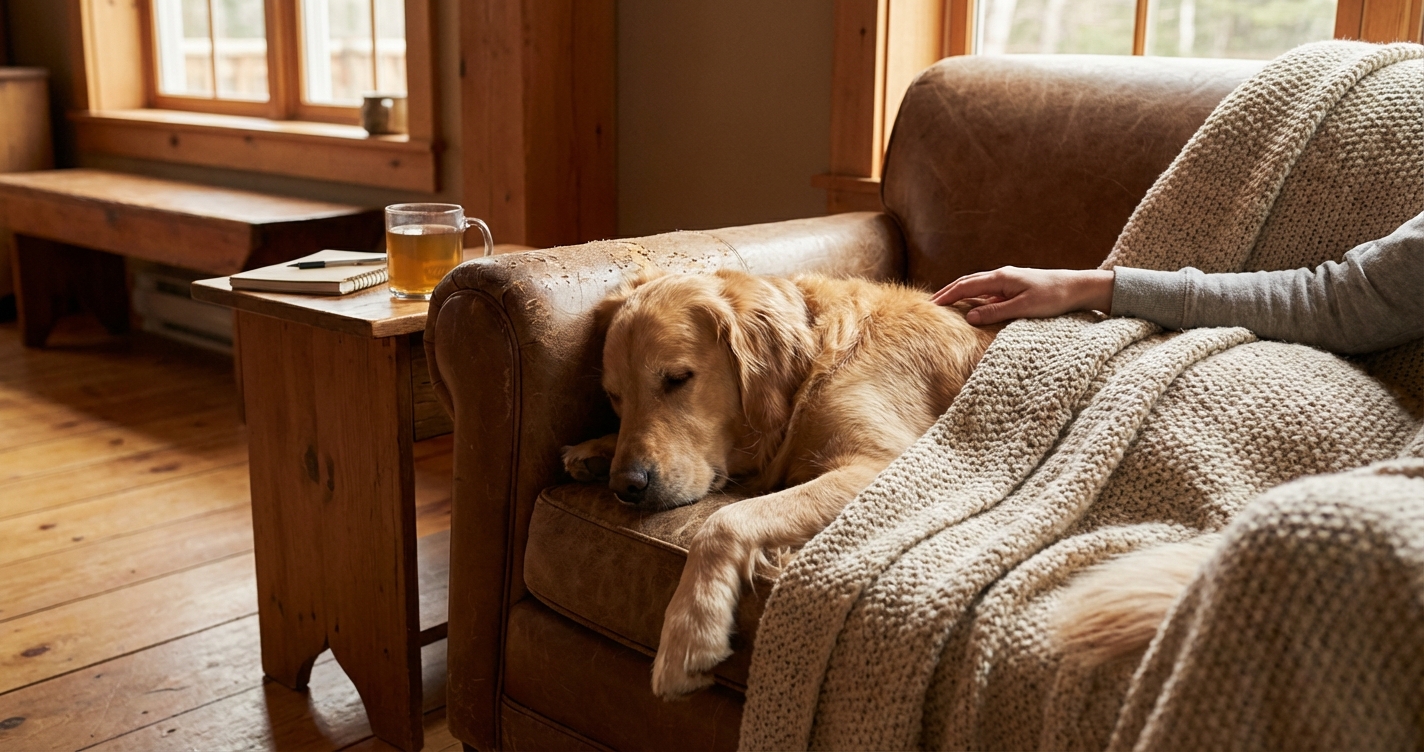
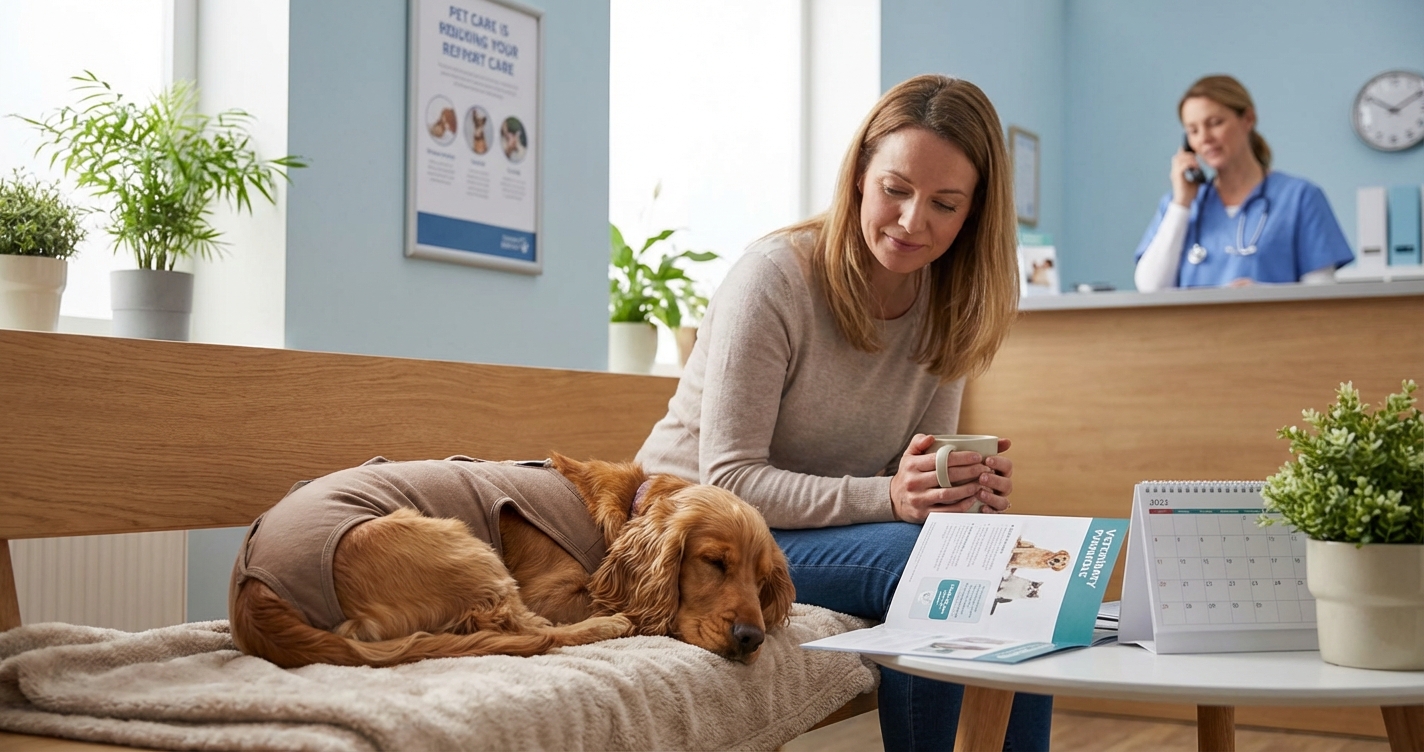
Your vet will give you detailed instructions, but be prepared for a little more swelling or bruising around the incision. Keep an eagle eye on the wound. Any excessive redness, discharge, or if the wound looks open, get on the phone to the vet immediately. Rest is non-negotiable. This means short, calm toilet breaks on the lead and absolutely no jumping on the sofa, no matter how pathetic she looks. A surgical recovery suit can be a godsend if your dog treats the ‘cone of shame’ as a personal challenge.
Frequently Asked Questions from the Dog Park
Let’s tackle a few common queries I hear while out with the pack.
How long after a heat cycle should I wait to spay my dog?
As we covered, the ideal waiting period is around 2-3 months after her season has fully ended. This allows her hormones and reproductive organs to settle down completely, making for a safer procedure.
Can spaying a dog in heat cause a false pregnancy?
It can. The sudden drop in the hormone progesterone after the ovaries are removed can sometimes trick the body into thinking it’s pregnant. Signs include nesting, mothering toys, and even producing a little milk. It’s usually temporary and resolves on its own, but have a chat with your vet if you’re concerned.
Will my dog still attract males after being spayed in heat?
For a short while, yes. The hormones that attract male dogs can linger for a week or two after the operation. It’s vital to continue managing her carefully and keeping her away from intact males during this initial recovery period to avoid any unwanted attention or scuffles.
Ultimately, the decision rests on a conversation between you and the person holding the scalpel. Get their expert opinion, weigh up your ability to manage a dog in season, and make the choice that feels safest for your girl. Now, I think Buster smells a biscuit in my pocket, so I’d best be off.

Related Posts