The Cat Did It? Unmasking Canine Allergies in a Multi-Pet Home
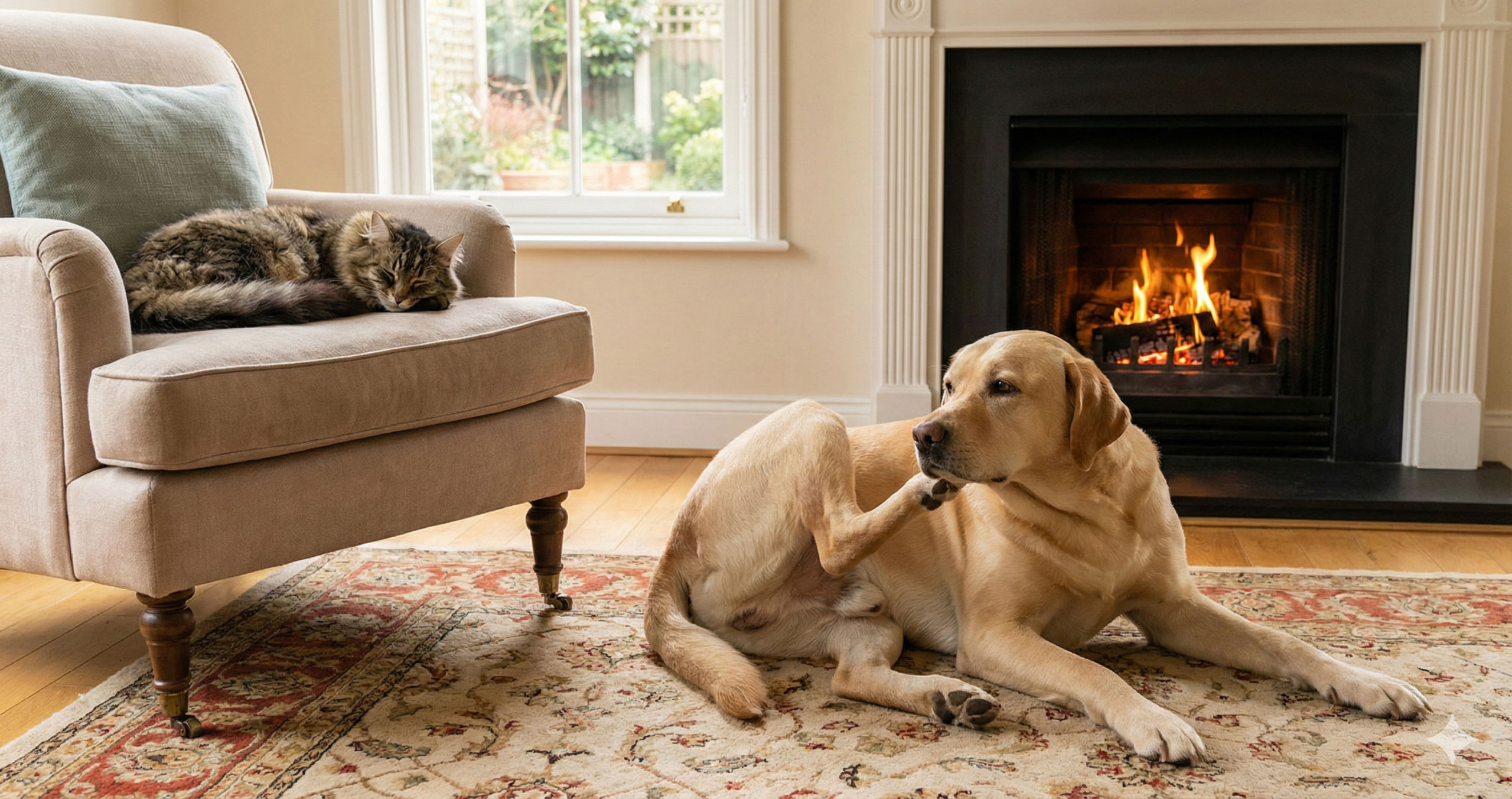
The other evening, I was enjoying a rare moment of peace. Fire crackling, a decent brew in hand. Buster, my food-obsessed Lab, was snoring with the sort of dedication only a Labrador can muster. Suddenly, he let out a great big sneeze, followed by a frantic scratch behind the ear. My eyes went straight to the top of the radiator. There, looking utterly regal and magnificently indifferent, was Margo, the rescue cat who rules this house, mid-groom. It got me wondering about that question that often pops up in homes governed by both canine and feline directors: can the dog actually be allergic to the cat?
Well, after a bit of digging and a lot of observation, the short answer is a resounding yes. It’s less common than allergies to things like pollen or certain foods, but it absolutely happens. It’s not the cat hair itself that’s the problem, either. The real culprits are microscopic proteins found in their dander (dead skin flakes), saliva, and urine. When a sensitive dog’s immune system meets these proteins, it can mistake them for a threat and go on the defensive, triggering an allergic reaction.
What Are the Telltale Signs of a Cat Allergy in Dogs?
If you’re wondering whether your dog’s mysterious itch is down to your feline housemate, the signs often overlap with other allergies. It’s a puzzle, but here are the main clues to look for. I tend to group them into three categories.
Skin Deep: The Itch You Can’t Scratch
This is by far the most common way a cat allergy shows up in a dog. If Fern the Spaniel starts scratching more than usual, I’m on high alert. Keep an eye out for:
- Persistent Scratching: Especially around the face, paws, belly, and base of the tail.
- Skin Irritation: Look for redness, rashes, or inflamed patches of skin.
- Hot Spots: Sore, wet-looking areas of skin caused by constant licking and chewing.
- Hair Loss: Bald patches from all that scratching and nibbling.
- Recurring Ear Infections: The ears can become yeasty, red, and smelly.
Respiratory Riddles
Less common than skin issues, but they do happen. These symptoms can sometimes be mistaken for a bit of a cold.
- Sneezing or a runny nose.
- Watery, red eyes.
- Coughing or wheezing.
Tummy Troubles
In some cases, an allergy can manifest as digestive upset, though this is more often linked to food allergies. Still, it’s worth noting:
- Vomiting
- Diarrhoea
Getting to the Bottom of It: How Vets Diagnose the Problem
Now, I’m just a bloke who spends a lot of time with dogs, not a vet. So, if you suspect an allergy, the first and most important step is a chat with a professional. They’re the detectives who can properly investigate the case. They’ll likely start by ruling out other common culprits like fleas, mites, food ingredients, or seasonal pollen before pointing the finger at poor Margo.
A vet’s diagnostic process might include:
- A Thorough Physical Exam: Looking at your dog’s skin, ears, and overall health.
- Exclusion Trials: This might involve a strict flea treatment regime or a food elimination diet to rule out other causes.
- Allergy Testing: If a cat allergy is still the prime suspect, your vet might recommend specific tests. These can include a blood test (serum test) or an intradermal skin test, which is more involved but often considered the gold standard.
Right, What Can Be Done? Treatment and Management That Passes the Mud Test
So, the vet’s confirmed it: the dog is allergic to the cat. Don’t panic, you don’t need to rehome anyone. Managing the situation is entirely possible with a bit of practical graft.
Veterinary Treatments
Your vet is your partner in this and will recommend the best course of action. This could involve:
- Medications: Things like antihistamines or, for more severe flare-ups, corticosteroids to calm the immune response and reduce itching.
- Medicated Shampoos: Bathing your dog with a special shampoo can help soothe irritated skin and wash away allergens.
- Immunotherapy: Often called ‘allergy shots’, this involves exposing your dog to tiny amounts of the allergen over time to desensitise their immune system.
Harmony in the Home: Practical Management Tips
This is where the real work begins, and where you can make the biggest difference. Here’s what passes the Mud Test in our house:
- Create Separate Zones: If you can, make certain rooms, like your bedroom, a dog-only sanctuary. A simple baby gate can be a godsend. Margo has her radiator kingdom, and the dogs have their space.
- Invest in an Air Purifier: A good quality air purifier with a HEPA filter is worth its weight in gold. It traps airborne dander, dust, and pollen. We run one in the main living area, and the difference is noticeable.
- Become a Cleaning Machine: I know, it’s a chore. But frequent vacuuming (again, with a HEPA filter), washing the dog’s bedding in hot water, and damp-dusting hard surfaces makes a huge impact on the amount of dander floating about.
- Groom the Cat: This might sound daft, but regularly brushing your cat can help remove loose fur and dander before it ends up all over the furniture. Get someone who isn’t allergic to do this, preferably in a well-ventilated area.
- Wash Your Hands: After a good cuddle with the cat, wash your hands before you pet the dog to avoid transferring allergens directly.
When to Ring the Vet
While a bit of scratching might not seem like an emergency, you should definitely book an appointment with your vet if you notice:
- Your dog is scratching incessantly and can’t seem to settle.
- You see open sores, scabs, or signs of a skin infection (like a nasty smell).
- Your dog seems lethargic, is off their food, or is having breathing difficulties.
The Last Word
Finding out your dog is allergic to your cat can feel like a bit of a blow. But it’s rarely an insurmountable problem. With a solid diagnosis from your vet and some practical changes at home, you can absolutely keep the whole pack together and happy. It just takes a bit of extra effort to manage the dander and keep the peace. Now, if you’ll excuse me, I think Buster’s snores are signalling it’s time for another brew.

Related Posts