Why Your Dog Might Be Snacking on Stones
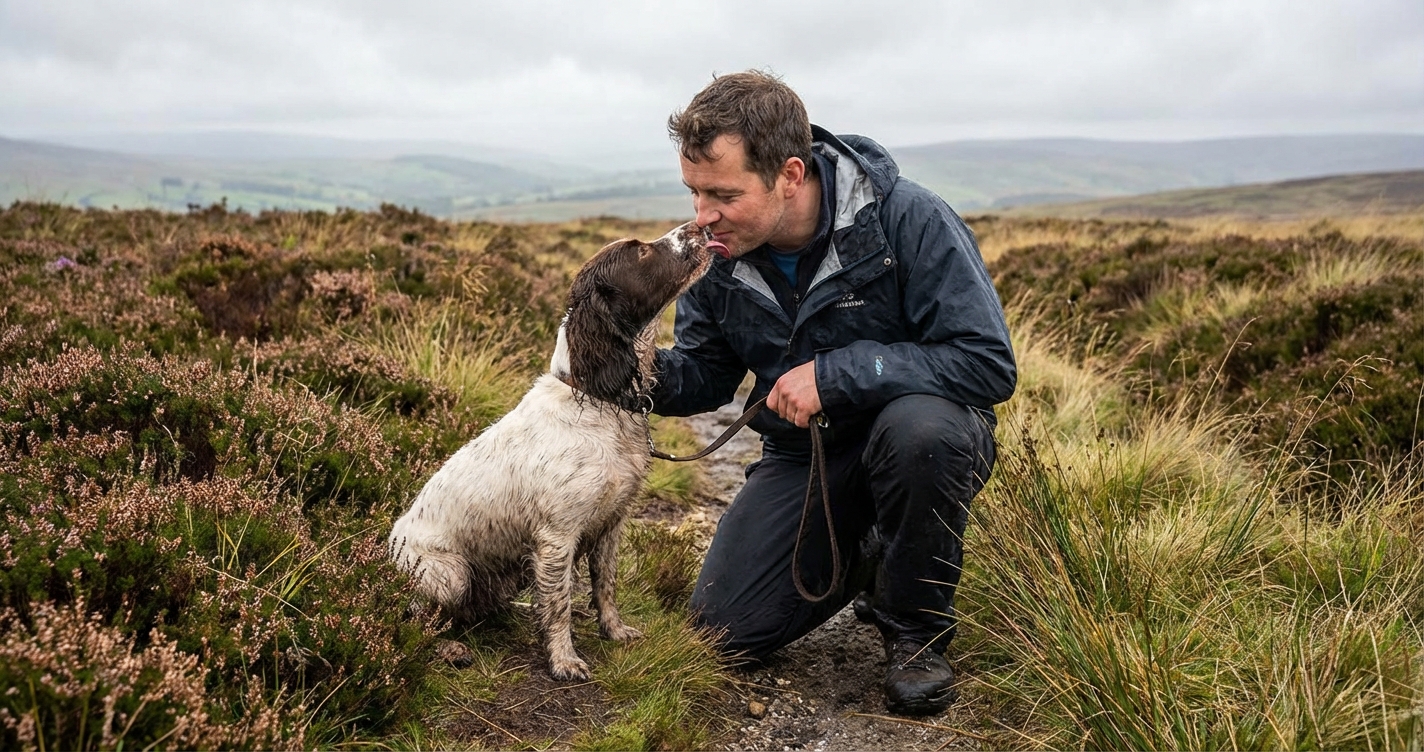
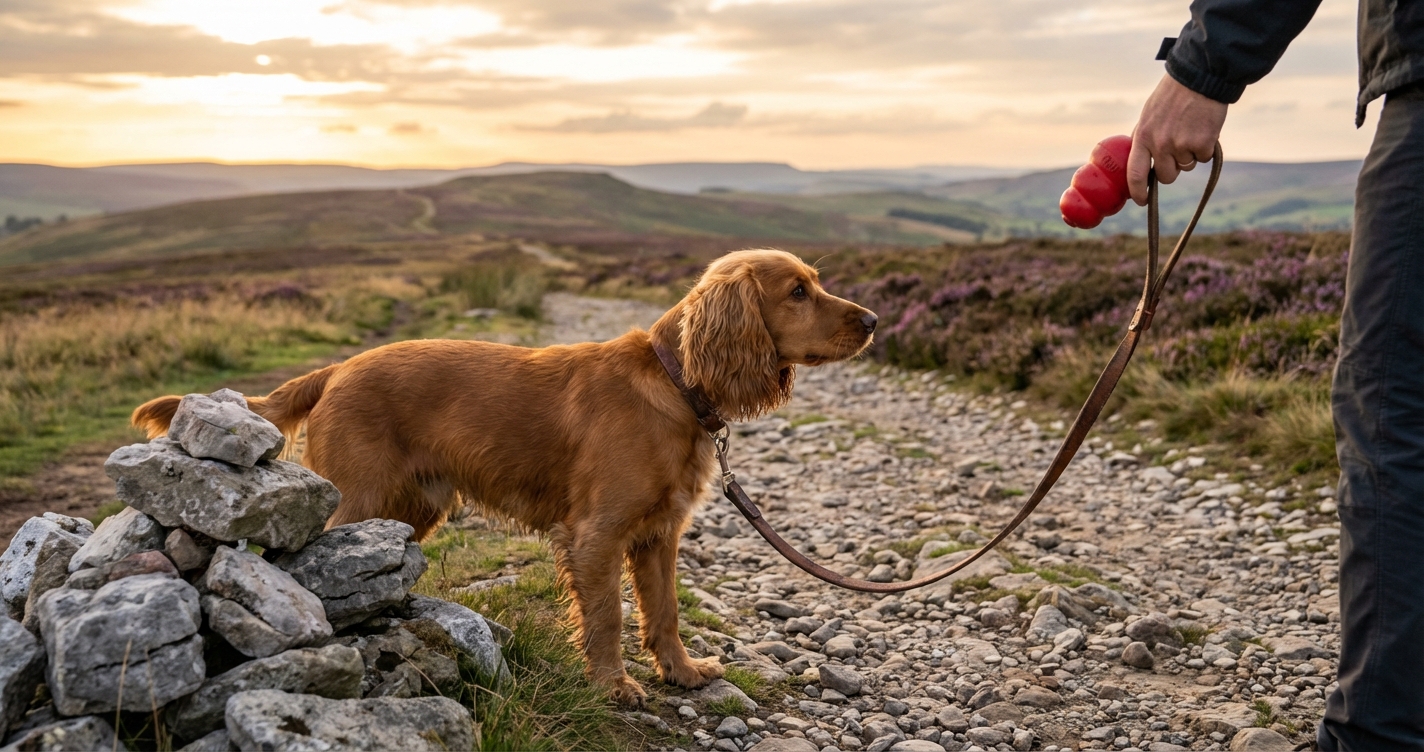
There’s nothing quite like a crisp walk in the Peaks, is there? The other day, I was out with my lad near Castleton, soaking it all in, when I heard that awful, unmistakable sound: a crunching, grinding noise that wasn’t boots on the path. I turned round to see him, tail wagging, with a piece of limestone the size of a decent biscuit in his mouth. My heart did that familiar little lurch. If you’re reading this, chances are you know the feeling. Seeing your dog eat rocks is baffling and frankly, a bit terrifying. But before you panic, let’s have a proper chat about why they do it and, more importantly, what we can do to stop it.
Understanding the “Why”: Possible Reasons for Your Dog Eating Rocks
It’s not as simple as them just being daft. This peculiar habit, sometimes called ‘pica’, can stem from a few different causes, ranging from the medical to the purely behavioural.
Pica: An Eating Disorder in Dogs
First up, there’s a proper term for when dogs compulsively eat non-food items: Pica. It’s not just rocks; it can be soil, fabric, plastic, you name it. It often points to an underlying issue, so it’s a behaviour worth taking seriously.
Nutritional Deficiencies
While less common with today’s balanced dog foods, it’s possible your dog is missing certain minerals or vitamins from their diet. This can lead them to seek out nutrients from unusual sources, like soil or rocks. It’s a bit of a long shot, but a possibility to consider with your vet.
Boredom or Lack of Stimulation
A bored dog is a mischievous dog. If a dog isn’t getting enough mental or physical exercise, they’ll invent their own games. For some, the texture and crunch of a rock is a fascinating, if dangerous, way to pass the time. It’s their version of doom-scrolling, only with potentially lethal consequences.
Anxiety and Stress
Just like people who bite their nails, some dogs develop coping mechanisms for stress. Chewing on or eating rocks can be a self-soothing behaviour for an anxious pooch. Think about if there have been any recent changes at home – a new baby, a house move, or a change in routine.
Teething in Puppies
If your culprit is a young pup, teething is a likely suspect. Their gums are sore and they’ll chew on anything to relieve the discomfort. Cool, hard rocks can feel particularly good on those inflamed gums. The key is to redirect this chewing onto something safe.
Attention-Seeking Behaviour
Our dogs are clever. If they pick up a rock and you immediately rush over, shouting and making a fuss, they learn a simple equation: Rock + Mouth = Instant Human Attention. Even if it’s negative attention, it’s still attention.
More Than Just a Bad Habit: The Real Dangers of Rock Eating
Let’s be blunt: this isn’t a quirky habit to ignore. Ingesting stones and rocks can cause serious, and sometimes life-threatening, harm to your dog.
- Dental Damage: Rocks are harder than teeth. Chewing on them can easily lead to chipped or broken teeth, fractured jaws, and painful mouth injuries.
- Choking Hazard: A rock can become lodged in your dog’s throat, blocking their airway. This is an immediate and dire emergency.
- Gastrointestinal Obstruction: This is one of the biggest worries. A swallowed rock can cause a blockage in the stomach or intestines. This is incredibly painful and will almost certainly require expensive and invasive surgery to fix.
- Internal Damage: Sharp rocks can cut or even perforate the delicate lining of the oesophagus, stomach, or intestines, leading to internal bleeding and severe infection.
Putting a Stop to Stone-Snacking: Your Practical Plan
Right, enough of the scary stuff. The good news is you can absolutely manage this. It just takes a bit of patience and a consistent plan.
1. Rule Out Medical Issues with a Vet Visit
Before you do anything else, book a check-up with your vet. It’s vital. They can run tests to check for any nutritional deficiencies or underlying health problems that might be causing the pica. Always start here; you can’t train away a medical problem.
2. Manage Your Dog’s Environment
The simplest way to stop a dog from eating rocks is to stop them from getting to rocks. It sounds obvious, but it’s the most effective first step. This means a thorough sweep of your garden. If your dog is a determined stone-seeker, you may need to supervise them on a lead every time they go outside for a while. For walks, keep a closer eye on them, especially on gravel paths or stony beaches.
3. Increase Physical and Mental Exercise
A tired dog is a happy dog, and a mentally stimulated dog is less likely to get into trouble. Don’t just lengthen your walks, make them more interesting!
- Sniffy Walks: Let them lead the way and sniff everything. Five minutes of intense sniffing is as tiring as a fifteen-minute run for some dogs.
- Scatter Feeding: Ditch the bowl and scatter their kibble in the grass (a rock-free patch, obviously!) or a snuffle mat. It makes them work for their food and engages their brain.
- Basic Training: A few minutes of ‘sit’, ‘stay’, or learning a new trick each day provides great mental stimulation.
4. Teach the “Leave It” and “Drop It” Commands
These commands are non-negotiable for a rock-eater. “Leave It” tells your dog not to touch something in the first place, and “Drop It” is for when they’ve already got the forbidden treasure in their mouth. There are loads of great videos online showing positive reinforcement methods for teaching these – they are absolute lifesavers.
5. Provide Safe Alternatives for Chewing
Your dog has a natural need to chew. Our job is to make sure they’re chewing on the right things. Invest in a few high-quality, durable chew toys. Things like rubber toys you can stuff with paste or frozen carrots can be far more appealing than a boring old stone.
6. When to Seek Professional Help
If you’ve tried all of the above and the behaviour persists, or if it’s linked to severe anxiety, it might be time to call in a certified animal behaviourist. They can help you get to the root of the problem and create a more tailored plan for you and your dog.
Frequently Asked Questions
Is it just a puppy phase?
For many puppies, chewing on rocks is linked to teething and exploration, and they do grow out of it. However, because it’s such a dangerous habit, it’s not one you should wait out. It’s crucial to manage it and teach them appropriate chewing habits from day one.
What should I do if my dog swallows a rock?
Contact your vet immediately. Don’t try to make your dog sick. Depending on the size of the dog and the size of the rock, your vet will advise you on the best course of action. They might suggest monitoring them to see if it passes, or they might need to do an x-ray to see where it is and if it’s causing a blockage.
Can dogs pass rocks?
Sometimes, yes. A very small, smooth pebble might pass through a large dog’s digestive system without any issues. However, there is never a guarantee. It’s a massive gamble, and the risk of a blockage is high. This is why immediate veterinary advice is always the right answer.

Related Posts