That Sinking Feeling on the Snake Pass
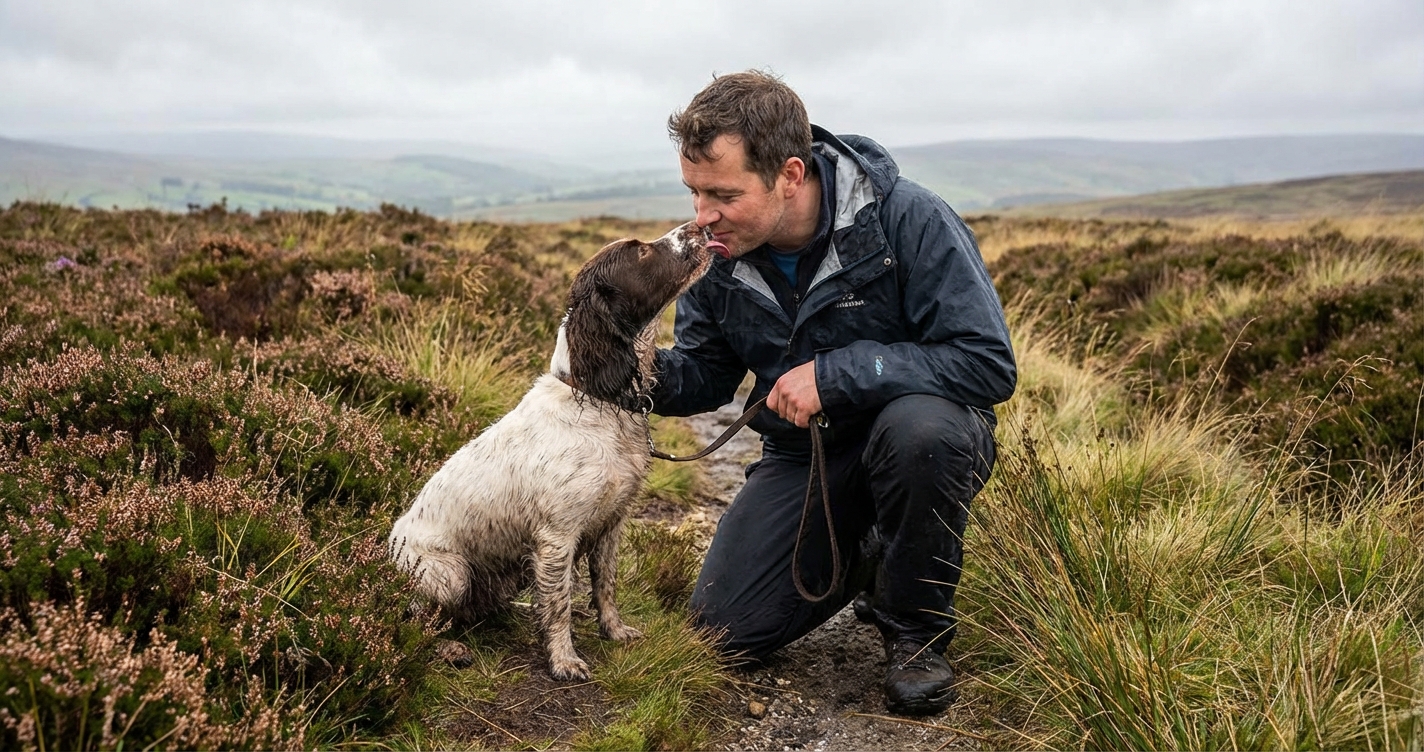
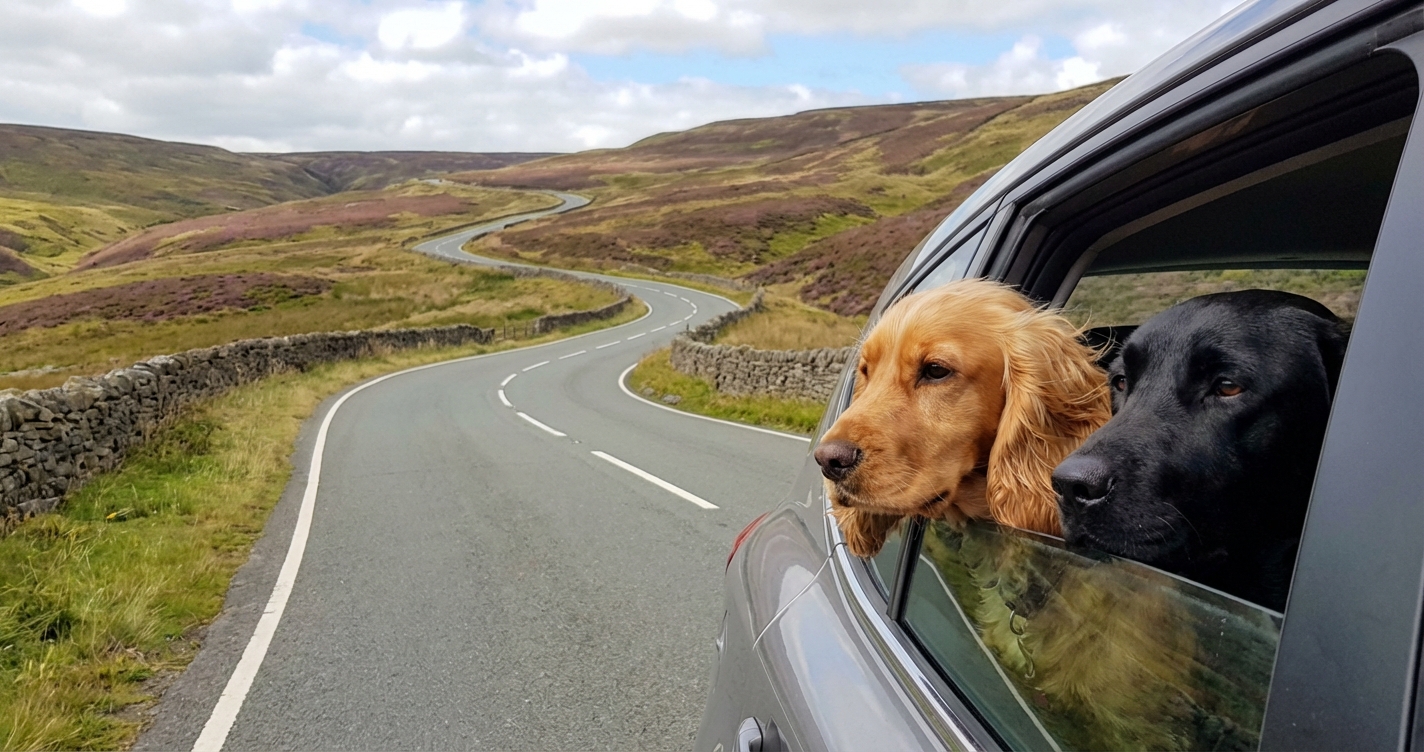
There’s a particular stretch of road between Glossop and Ladybower that I used to dread. Not because of the tourist traffic or the rogue sheep, but because it was the guaranteed point of no return for Fern, our high-octane Spaniel, when she was a pup. One minute she’d be whining, the next I’d be pulling over, reaching for the roll of old towels in the boot, and wondering if we’d ever make it to a walk without a full-scale clean-up operation. Buster, my old Lab, would just sigh from the back seat, his stomach as solid as a rock, probably just dreaming of the pub lunch at the end.
Car sickness in dogs is a proper pain, turning the exciting prospect of a Peak District adventure into a stressful, messy ordeal. But after a fair bit of trial, error, and a lot of kitchen roll, we cracked it. If you’re in the same boat, don’t despair. Let’s break down why it happens and what you can actually do about it.
Why Do Dogs Get Car Sick, Anyway?
It’s not just your dog being difficult. There are usually two main culprits behind travel sickness, and understanding which one you’re dealing with is half the battle.
- True Motion Sickness (Canine Kinetosis): This is most common in puppies and younger dogs. Just like in people, their inner ear and vestibular system, which controls balance, aren’t fully developed. Their eyes are telling their brain the world is whizzing by, but their body feels stationary. This sensory mismatch is what leads to nausea and vomiting. Most pups grow out of this as their bodies mature.
- Learned Travel Anxiety: This is more of a psychological issue. If a dog’s only early experiences in a car were stressful trips (like going to the vet for jabs), they can build a negative association. The car becomes a predictor of unpleasantness. The anxiety itself then triggers the physical symptoms of sickness. This is less about undeveloped inner ears and more about a worried brain.
Key Takeaway: A puppy is likely experiencing true motion sickness. An older rescue dog who gets queasy might be suffering from travel anxiety linked to past experiences.
The Telltale Signs of a Queasy Canine
Before the main event, your dog will usually give you a few warning signs. Keep an eye out for these, as pulling over for a break at this stage can sometimes prevent a full-blown mess.
- Excessive drooling or dribbling
- Constant yawning
- Lots of lip-licking and swallowing
- Whining or general restlessness
- Apathy and lethargy – suddenly looking very unhappy
- And finally… vomiting
Our No-Nonsense Guide to Calmer Car Trips
Right, here’s the practical bit. We tried all sorts, and this is the combination of things that turned Fern from a vom-cano into a happy traveller. You might not need all of them, but it’s a good place to start.
1. Build a Better Association
If your dog only gets in the car to go somewhere they dislike, you need to break that cycle. Start by just sitting in the car with them on the driveway for a few minutes. Engine off. Give them a favourite toy or a few tasty treats. Do this for a few days until they seem happy just being in the car. The goal is to teach them: Car = Calm, pleasant things happen here.
2. The Tiny Trips to Terrific Places Method
Once they’re happy in a stationary car, it’s time for mini-journeys. And I mean mini. Drive to the end of the road and back. Next day, drive around the block. The destination must always be brilliant – like the park, a favourite sniffing spot, or just back home for a game. Slowly increase the duration, building their confidence. This process of desensitisation is crucial for anxious dogs.
3. Create a Safe, Stable Space
A dog sliding about on the back seat is going to feel much more motion. A secure, forward-facing setup can make a world of difference.
- A well-ventilated crate: This is our top choice. It limits their movement and can make them feel more secure. Covering the sides can also help by reducing the confusing visual information whizzing past the window.
- A quality car harness: If a crate isn’t practical, a good harness that clips into the seatbelt buckle keeps them secure and facing forward.
4. Manage Food and Airflow
A couple of simple environmental tweaks can help settle a sensitive stomach.
- Travel on an empty stomach: Avoid feeding your dog a large meal within 2-3 hours of a car journey. A full belly is more likely to be an upset one. A very small, light snack is okay.
- Crack a window: A bit of fresh air is good for everyone. It helps equalise the air pressure inside and outside the car, which can help with that inner-ear confusion.
A Word on Remedies and When to See a Vet
You’ll hear all sorts of home remedies mentioned, like giving a dog a ginger biscuit. We tried it. All it did was create a ginger-y, crumbly mess to clean up alongside everything else. It might work for some, but don’t pin your hopes on it.
Now, I’m not a vet. I’m just a bloke with a laptop who’s cleaned up more than his fair share of dog sick. If you have tried the practical training and management tips above and your dog is still really struggling, especially on necessary journeys, it is absolutely time for a chat with your vet. They can properly diagnose the issue and, if appropriate, prescribe safe and effective anti-sickness medication. Don’t ever give your dog human travel sickness tablets.
Getting it sorted is worth the effort. There’s nothing better than pulling up at a car park in the Hope Valley, opening the boot, and seeing a happy, healthy dog leap out, ready for the hills, with not a hint of queasiness in sight.

Related Posts