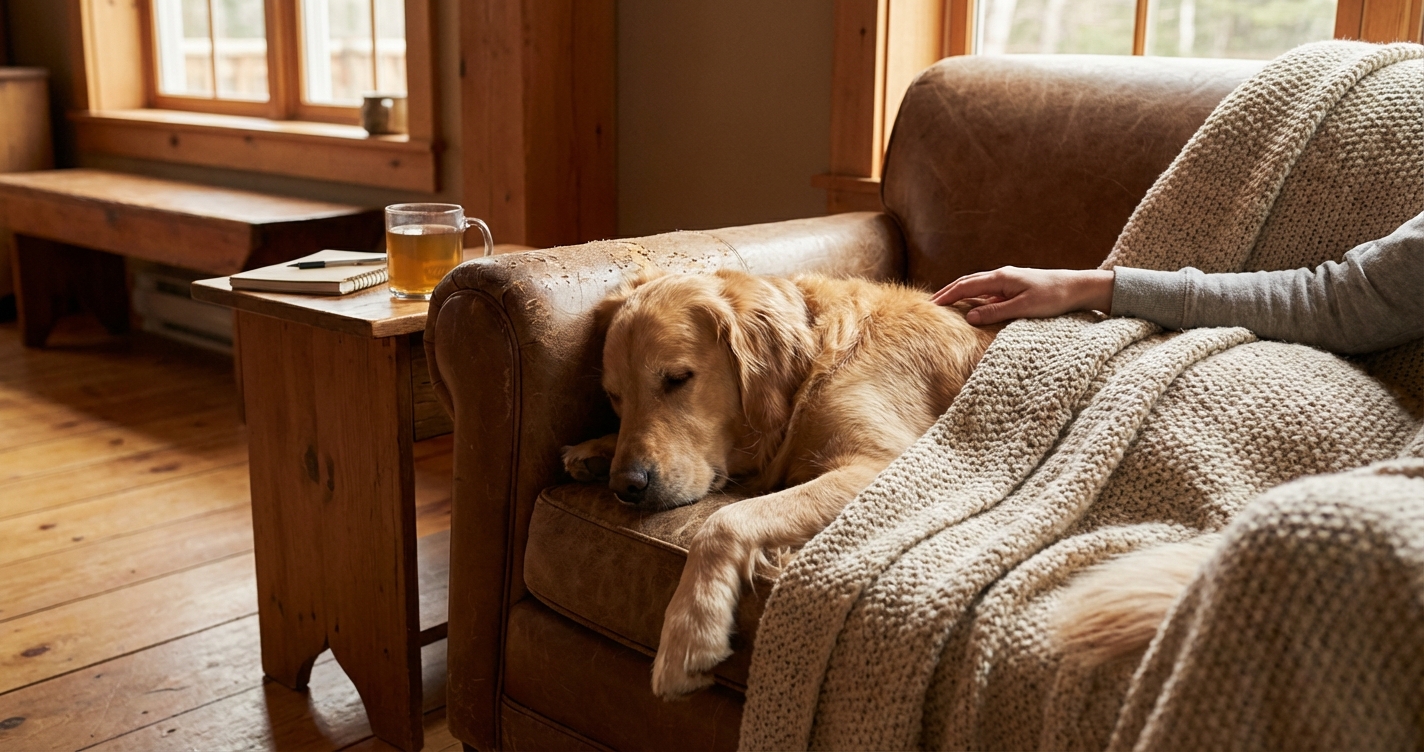
From Twitching Whiskers to Sleepy Woofs
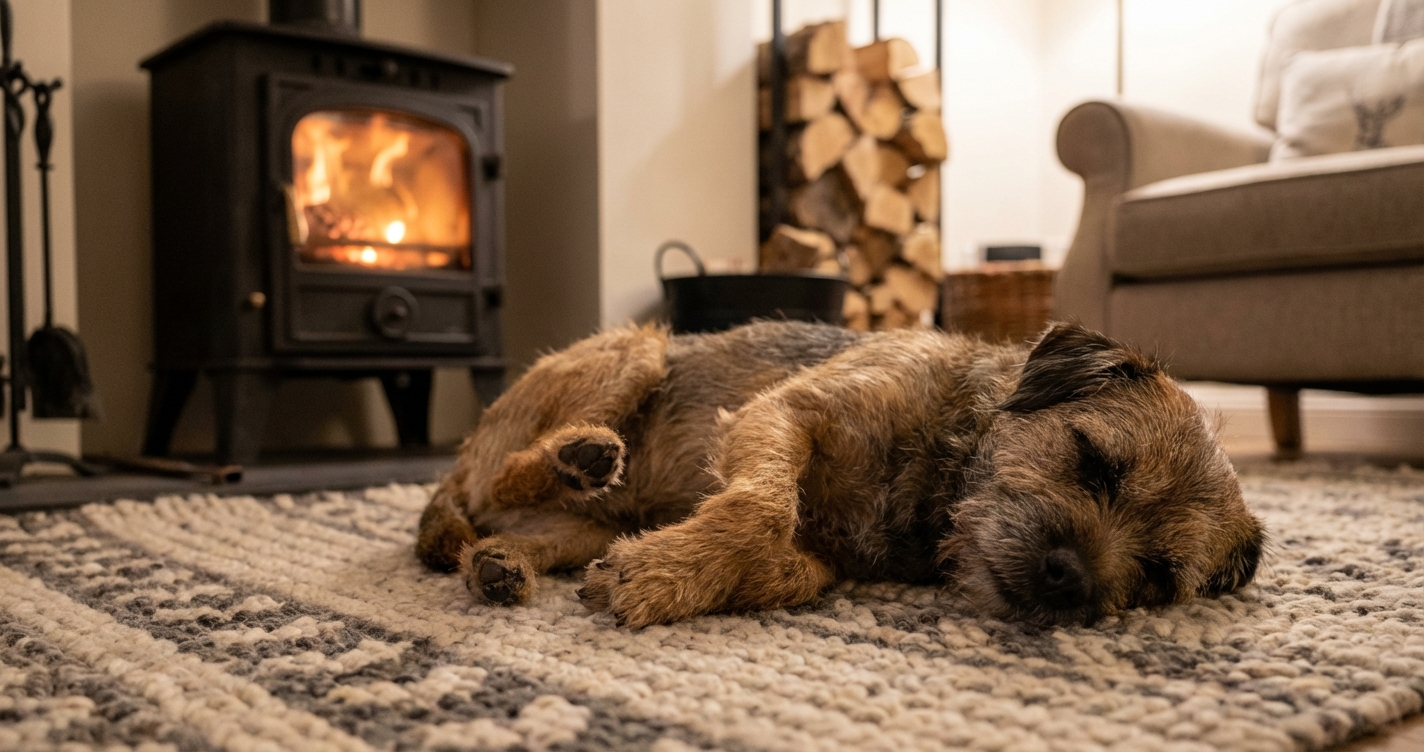
The other night, the log burner was ticking away and Bess, my trusty Border Terrier, was flat out on the rug. One moment, snoozing peacefully. The next, her paws are going like the clappers, there’s a muffled ‘woof’, and a little whimper. Classic squirrel-chasing dream, no doubt. It’s a familiar scene for most of us with a four-legged friend, but it does make you wonder, doesn’t it? What’s really going on in that furry head when they start crying in their sleep?
It’s usually nothing to fret about. In fact, it’s often a sign of a healthy, active mind. But let’s break it down, just for peace of mind.
A Glimpse into Your Dog’s Dreamworld: The Sleep Cycle
Just like us, dogs go through different stages of sleep. They don’t just switch off for eight hours. They cycle between light snoozing and a much deeper sleep. The really interesting bit is called REM (Rapid Eye Movement) sleep.
This is the brain’s prime time for processing the day’s events. That thrilling walk, the postman’s daily affront, the new smells down at the park – it all gets sorted and filed away during REM. And what’s the side effect of all this mental admin? Dreams. Vivid ones.
- Key Takeaway: Vocalisations like whimpering, crying, or even quiet barks are most common during the REM stage, which usually kicks in about 20 minutes after they’ve dozed off.
Common Reasons for All the Nocturnal Natter
So, we know they’re likely dreaming. But what about? While we can’t pop into their heads for a look, it’s generally accepted they dream about their daily lives.
- Reliving Adventures: Chasing that pesky cat from next door, running after a ball, or greeting you at the door. Their bodies often act out these dreams with twitching paws, wagging tails, and sleepy yaps.
- Processing Emotions: Sleep is also how they work through feelings. A little whimper might just be them dreaming of a time you had to pop out, or the excitement of seeing their favourite person.
- Mild Discomfort: Sometimes, it’s not even a dream. They might just be a bit chilly, need to shift into a comfier position, or have a touch of indigestion.
Should You Wake a Dog from a Bad Dream?
The temptation to give them a comforting cuddle when they seem distressed is huge. But the old saying, “let sleeping dogs lie,” is solid advice here.
Waking a dog suddenly from a deep, vivid dream can be very disorienting for them. They might be confused, frightened, and could even snap or bite out of pure reflex before they’re fully awake. It’s not malicious, just a startled reaction. If you feel you absolutely must intervene, try calling their name softly from a distance rather than touching them.
When a Whimper Might Warrant a Worry
Now, I’m no vet, just a chap who’s spent a lot of time watching dogs sleep. The overwhelming majority of the time, sleep noises are normal. However, there are a few red flags that mean a chat with your vet is a very good idea. Keep an eye out for these signs, especially if they are new or getting worse.
- Genuine Pain: The whimpers sound less like dream-chatter and more like genuine, high-pitched cries of pain. If they wake up and are clearly sore, limping, or yelp when you touch them, that’s a clear sign something is wrong.
- Breathing Trouble: If the crying is accompanied by any difficulty breathing, laboured breaths, or choking sounds, seek professional advice immediately.
- Seizure-like Signs: This is the big one to distinguish. A dreaming dog is usually relaxed and floppy, even while twitching. A dog having a seizure is often very different:
- The body becomes rigid and stiff.
- Paddling of the legs is more violent and rhythmic.
- They may foam at the mouth or lose control of their bladder or bowels.
- They will be unresponsive and ‘out of it’.
- Ageing Canines: As dogs get older, some can develop canine cognitive dysfunction (a bit like dementia in people), which can lead to confusion and vocalisation at night. Arthritis and other age-related aches can also be a cause.
Practical Steps for Peaceful Slumbers
If your dog’s sleep-crying is just normal dreaming but you want to ensure they’re as comfy as possible, a few simple things can help.
1. Create a Safe, Cosy Den: A comfortable bed in a quiet, draught-free part of the house gives them a secure space to relax fully.
2. A Good Leg-Stretch Before Bed: A final, calm walk to relieve themselves and burn off that last bit of energy can help them settle for the night.
3. Keep a Simple Sleep Diary: If you are concerned, jot a few notes down for your vet. It’s much more helpful than saying “he cries a bit at night”. Note down:
- When does it happen and for how long?
- What does it look and sound like? (e.g., quiet whimper, loud yelp)
- Is their body stiff or relaxed and floppy?
This kind of factual information is worth its weight in gold during a vet visit. Most of the time, though, that little whimper you hear from the dog bed is just the soundtrack to a brilliant dream – probably one where the postman is finally treed and squirrels are plentiful.

Related Posts