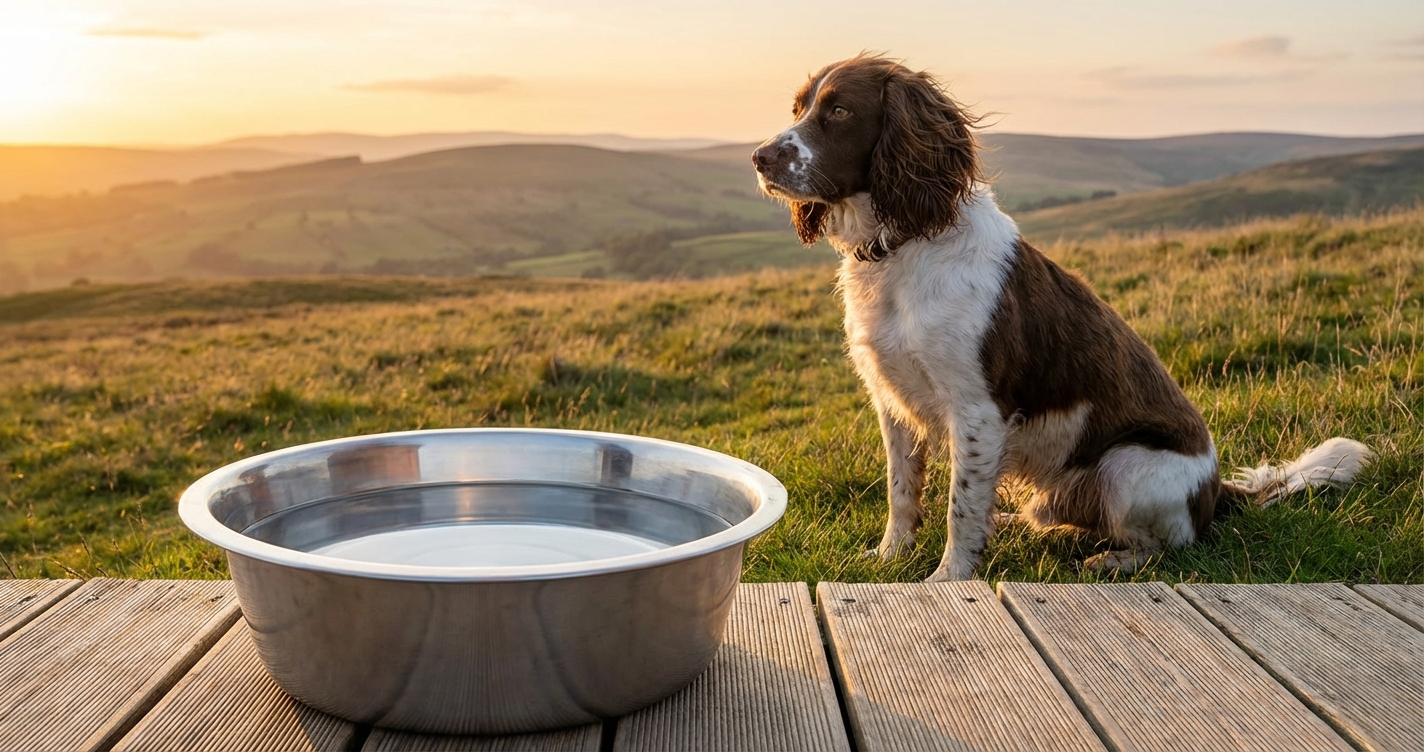
Why Your Dog Might Be Turning Their Nose Up at Water
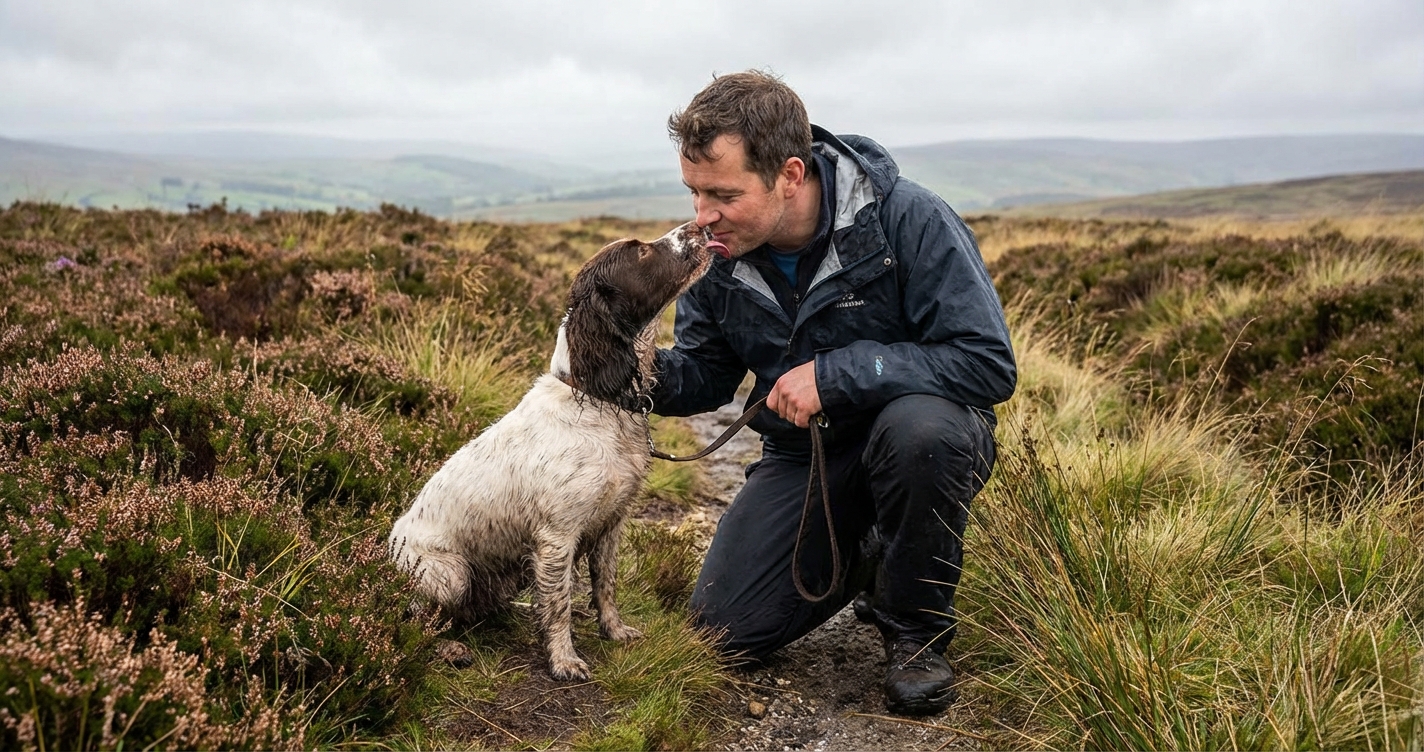
The other week, I took Jasper for a proper yomp up Kinder Scout. It was one of those rare, glorious days in the Peaks – clear skies, a gentle breeze, the lot. We got back to the car, he hopped in the boot, and I was expecting him to drain his travel bowl the second I put it down. But he just gave it a sniff and looked away, more interested in the half-eaten biscuit he’d left on his blanket. Meanwhile, he was more than happy to wolf down his dinner when we got home. It’s a bit baffling, isn’t it? When your dog is clearly happy to eat but shuns their water bowl, it can send a little knot of worry into your stomach.
The long and short of it is, there are dozens of reasons for this behaviour, ranging from the completely harmless to the more serious. Let’s break it down, shall we? Bear in mind, I’m no vet, just a fellow dog owner who’s spent a fair bit of time trying to figure out these four-legged puzzles.
First, How Much Water is ‘Normal’?
Before we panic, it helps to know what we’re aiming for. A good rule of thumb is that a dog needs about 50 millilitres of water for every kilogram of their body weight each day.
Key Takeaway: A 20kg Springer Spaniel, for example, would need around 1 litre (1000ml) of water a day. This can change depending on the weather, how much exercise they’ve had, and what sort of food they eat.
Common (and Often Harmless) Reasons They’re Not Drinking
More often than not, there’s a simple, logical explanation for a dog’s sudden aversion to water. It usually comes down to one of these culprits.
- Moisture from Food: If your dog is on wet food, they’re already taking in a significant amount of water with their meal. They simply might not be as thirsty as a dog on a diet of dry kibble.
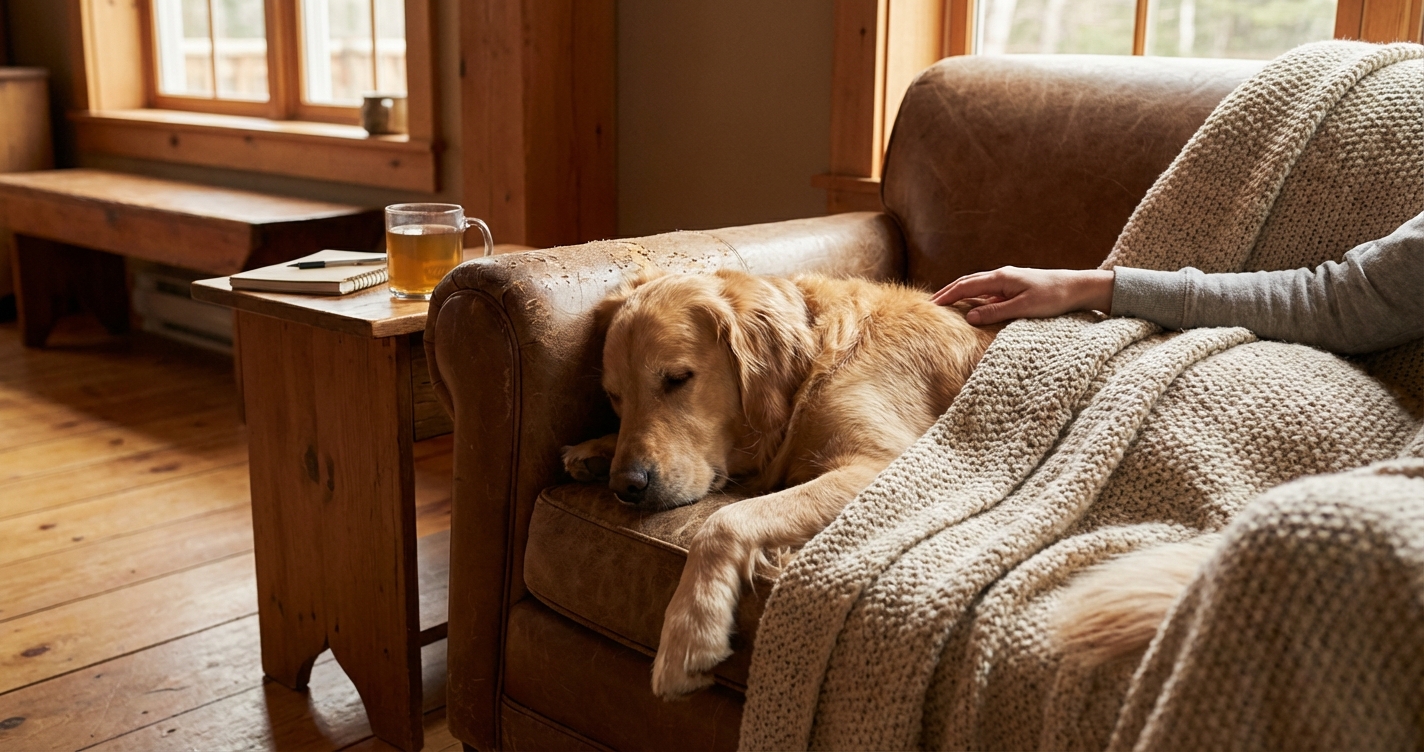
- Cooler Weather & Less Exercise: A lazy day spent snoozing on the sofa when it’s cool outside doesn’t create as much thirst as a long run on a warm day. Their water needs are simply lower.
- A Dirty Bowl: Let’s be honest, would you want to drink from a grimy glass? A build-up of slobber and slime can make the water taste unpleasant. Sometimes, even the bowl material itself (like plastic) can hold onto odours.
- New or Unfamiliar Places: A dog in a new environment, whether on holiday or just moved house, might feel a bit anxious and unsettled. The water might also smell and taste different to what they’re used to, making them suspicious.
When to Worry: Potential Health Problems
Right, now for the less cheerful bit. Sometimes, a lack of thirst can be a sign that something is amiss. If the simple reasons above don’t seem to fit, it’s time to consider these possibilities.
- Dental Pain: This is a big one. A dog with a cracked tooth, sore gums, or an abscess might be more than happy to munch on soft food, but the shock of cool water on a sensitive area can be very painful.
- Nausea: Just like us, if a dog feels sick to its stomach, drinking a lot of water is the last thing it wants to do. This could be from eating something they shouldn’t have in the garden or a more persistent issue.
- Urinary or Bladder Infections: These can make a dog feel generally unwell and put them off their water.
- Serious Illnesses: In some cases, a lack of thirst can be an early symptom of more significant issues like kidney disease or diabetes. Please don’t jump to these conclusions, but it’s why we keep a close eye on them.
Odd Behaviours and Anxieties
Dogs can also develop funny little quirks. A negative experience, like slipping on a wet patch near the bowl or being startled by something while drinking, can create a lasting fear or aversion to that specific spot or bowl.
How to Spot Dehydration in a Dog
This is the most immediate concern. An animal can get by without food for a while, but water is essential. Here’s a quick check you can do at home.
- Loss of Skin Elasticity: Gently pinch a bit of skin on the back of your dog’s neck or between their shoulder blades. If it springs back immediately, they’re likely well-hydrated. If it’s slow to return, they could be dehydrated.
- Dry, Tacky Gums: Their gums should be slick and wet. If they feel sticky or dry to the touch, it’s a red flag.
- Sunken Eyes: A dog’s eyes may appear sunken into their sockets if they are severely dehydrated.
- Thick Saliva and a Dry Nose: Another classic sign something isn’t right.
Simple Ways to Encourage Your Dog to Drink
If you’ve ruled out anything immediately serious, you can try a few things to tempt them.
- Freshen Things Up: Give the water bowl a thorough scrub with soap and water, rinse it well, and fill it with fresh, clean water. Try switching from a plastic bowl to a ceramic or stainless steel one.
- Add a Flavour Enhancer: A splash of low-sodium chicken or beef broth (make sure it’s onion and garlic-free) into their water can make it irresistible.
- Make it a Game: Offer ice cubes as a treat. Many dogs love crunching on them, and it’s a sneaky way to get some water into them.
- Bring the Water to Them: Try moving the bowl to a different location, or placing multiple bowls around the house so they always have easy access.
- Consider a Water Fountain: Some dogs are more attracted to moving water. A pet water fountain can be a good investment, though they can be a bit of a faff to keep clean.
The Bottom Line: When to Ring the Vet
It’s crucial to know when to stop trying home remedies and pick up the phone. Don’t hesitate to contact your vet if your dog:
- Hasn’t had a drink in 24 hours.
- Is showing clear signs of dehydration.
- Is lethargic, weak, or seems disoriented.
- Is also vomiting or has diarrhoea.
- Seems to be in any pain.
Ultimately, you know your dog best. If their behaviour seems off and you’re worried, a quick call to the vet can provide peace of mind or get them the help they need. It’s always better to be safe than sorry.

Related Posts