What on Earth is Rabies, Anyway?
Right, let’s get the scary bit out of the way first. Rabies is a virus that attacks the brain and spinal cord of mammals, including dogs and humans. It’s a truly nasty piece of work and, once symptoms show, it is almost invariably fatal.
The virus lives in the saliva of an infected animal and is usually passed on through a bite. While the UK has been rabies-free (in the classical sense) for a long time thanks to strict quarantine and vaccination rules, it’s still a major problem in many other parts of the world. This is why the rules, especially around travel, are so watertight.
The key takeaway: Vaccination isn’t just a good idea; it’s the only reliable way to protect your dog from this devastating disease.
The Law and Your Pet Passport
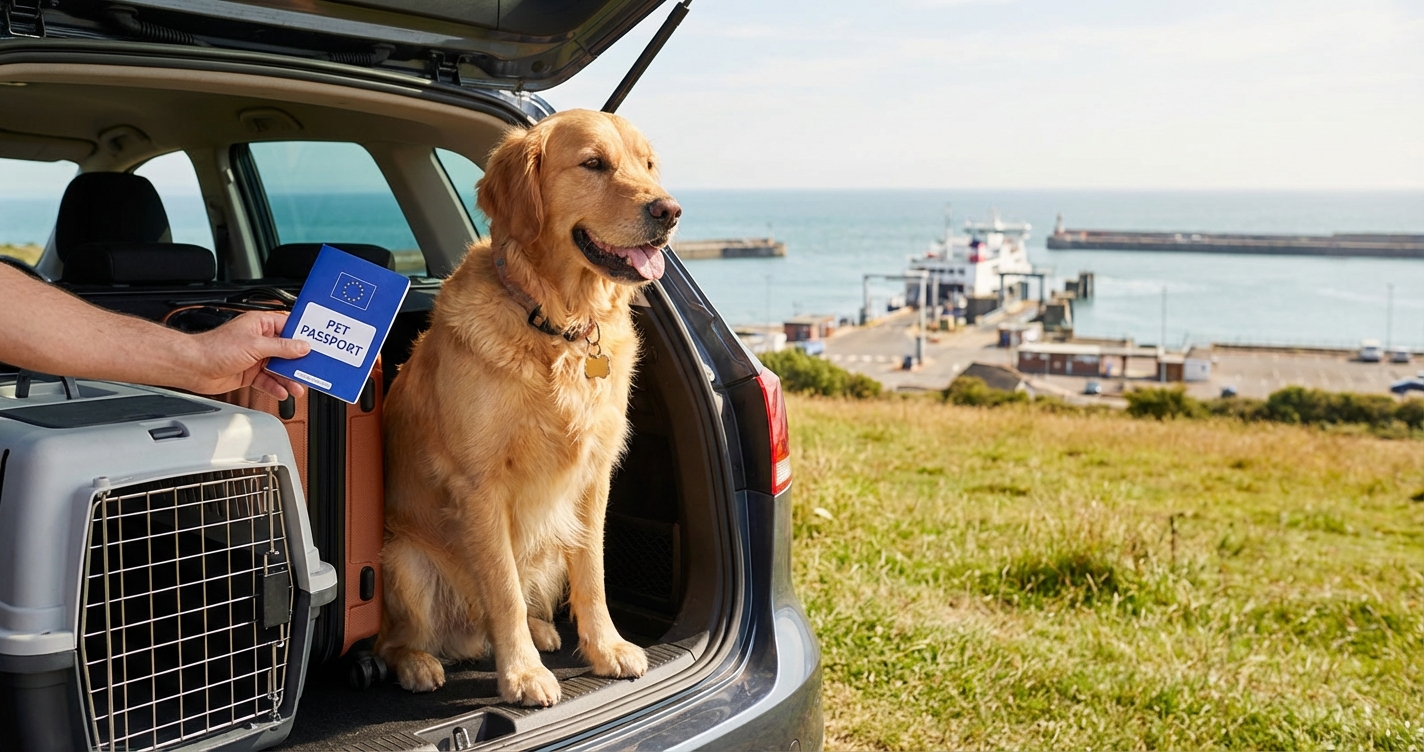
For those of us in the UK, the main reason your dog must have a rabies vaccination is for travel. If you want to take your dog to an EU country or Northern Ireland (and many other places), a valid rabies jab is a non-negotiable legal requirement for their Animal Health Certificate or Pet Passport.
- Legal Requirement for Travel: Your dog cannot re-enter the UK without a valid rabies vaccination record.
- Check Official Sources: Rules for pet travel can and do change. Before you book anything, always check the latest guidance on the official government website (DEFRA is your friend here).
- Not Just for Holidays: Even if you don’t have a big trip planned, your vet might discuss the vaccine with you if your dog is at higher risk for other reasons, though this is less common.
A practical note: Forgetting a booster can completely derail your travel plans, so it’s well worth setting a big, red-ringed reminder on your calendar.
The Puppy Jab Schedule: Getting Started
A puppy’s first year is a whirlwind of appointments at the vet, and the rabies jab is a crucial one, especially if you plan to travel with them.
The first rabies vaccination is typically given when a puppy is at least 12 weeks old. This is a legal minimum for travel purposes. Your vet will administer a single dose, which is known as the ‘primary course’. After this jab, there’s a waiting period (usually 21 days) before your dog is legally cleared to travel to EU countries.
Your vet will give you a precise schedule based on your pup’s other vaccinations and their specific needs. This first jab is what gets the ball rolling for a lifetime of protection.
Adult Dogs and Boosters: The 1-Year vs. 3-Year Jab
After the initial puppy vaccine, your dog will need regular boosters to keep their immunity topped up. This is where it can get a little confusing, as there are two main types of licensed rabies vaccines available.
- The 1-Year Vaccine: Does what it says on the tin. Requires a booster every year.
- The 3-Year Vaccine: Provides protection for up to three years.
So which one will your dog get? Well, it’s not always up to you. The first booster is almost always given one year after the primary puppy jab, regardless of which type of vaccine was used.
After that, the frequency depends on a few things:
- The Vaccine’s Licence: Your vet will use the vaccine they have in stock, and its licence will dictate the booster interval.
- Travel Destinations: Crucially, some countries require proof of a rabies vaccination given within the last year, even if your dog has had a 3-year jab. Always check the entry requirements for your specific destination.
Bottom line: Your vet will put a due date sticker in your dog’s vaccination record. Stick to that date religiously.
Are There Ever Niggles or Side Effects?
It’s completely normal to wonder about side effects. The good news is that the vast majority of dogs handle the rabies jab with no fuss at all. It’s a very safe vaccine. However, just like with any jab (for us or them), you might notice a few mild and temporary reactions.
Common and mild effects might include:
- A bit of tiredness or being off their food for a day.
- Slight swelling or tenderness where the needle went in.
- A mild fever.
These things usually clear up on their own within 24-48 hours. On very rare occasions, a more serious allergic reaction can occur (things like difficulty breathing, facial swelling, or collapse). If you notice anything that worries you, don’t hesitate – ring your vet immediately.
Blast! I’m Late for the Booster. What Now?
It happens. Life gets in the way, and a reminder gets missed. The first step is not to panic. The second, more important step, is to phone your vet as soon as you realise.
If you’re only a few days or weeks late, they may just be able to give the booster and sign everything off. However, if a significant amount of time has passed, your dog’s immunity might have lapsed. This means their protection against the virus could be compromised.
From a practical standpoint, a missed booster invalidates their travel documents. To get them re-certified for travel, you’ll likely have to restart the process, which includes the 21-day wait period after the jab. It’s a costly and inconvenient mistake to make if you’ve got a ferry booked!
Quick-Fire Questions on Rabies Jabs
Is the rabies jab a ‘core’ vaccine in the UK?
In the UK, the ‘core’ vaccines are typically for diseases like Distemper, Hepatitis, and Parvovirus. The rabies jab is considered a ‘non-core’ vaccine for most dogs, but it becomes absolutely essential and legally required the moment you plan to take your dog abroad.
Can a vaccinated dog still get rabies?
Modern rabies vaccines are incredibly effective. Cases of vaccinated dogs contracting rabies are extremely rare. No vaccine can ever be a 100% guarantee, but it reduces the risk of infection to almost zero. It’s the best and most reliable protection available.
How much does the jab cost?
The price can vary quite a bit depending on your vet’s practice and your location in the country. It’s best to ring your local vet and ask them directly for an up-to-date price.

Related Posts