The Wee Job: Getting It Done Without the Drama
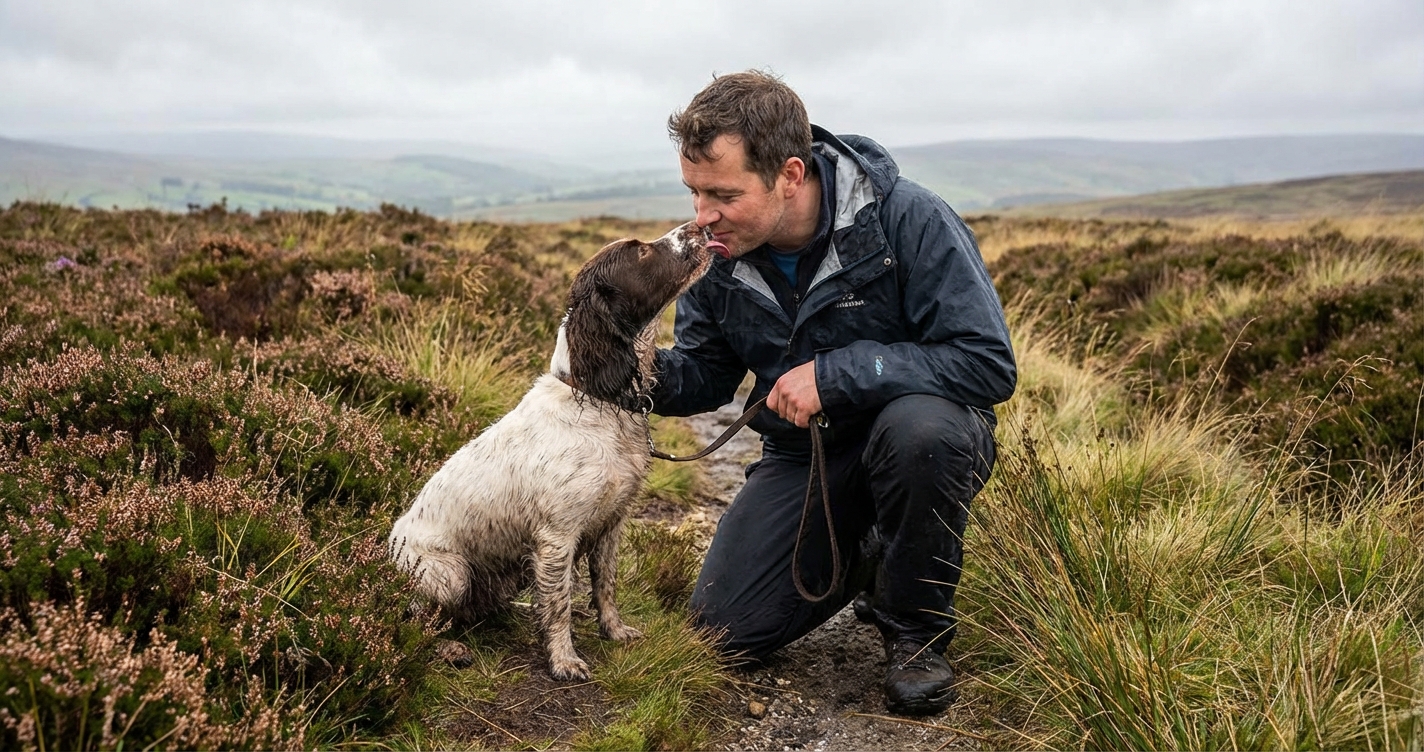
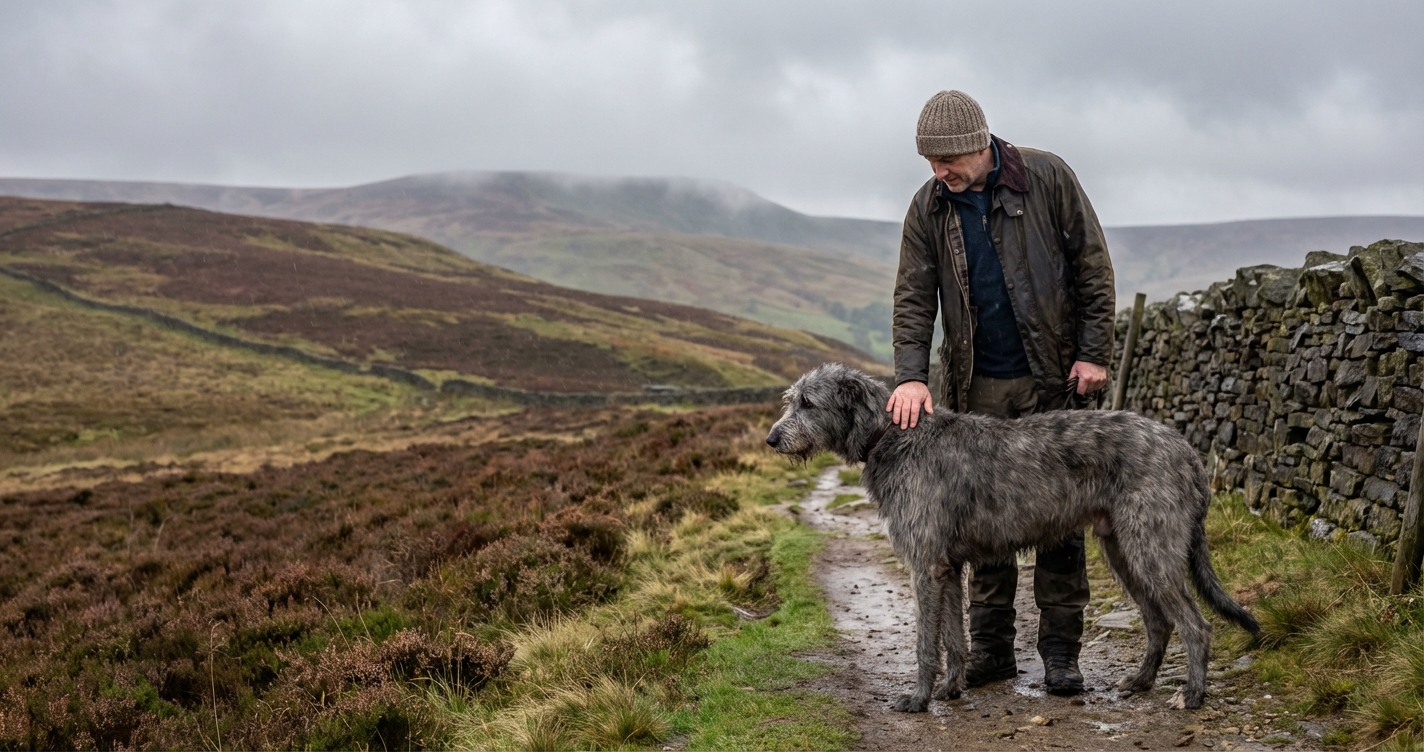
It was a bleak Tuesday morning in the Peak District, rain lashing sideways, when I found myself chasing my Terrier, Barnaby, around the garden with a soup ladle. Not my finest hour, and certainly not the neighbours’ favourite view over the fence. But when the vet asks for a urine sample, you do what you must.
If you’ve been tasked with this particular mission, don’t panic. It isn’t the most glamorous part of dog ownership, but it is one of the most useful diagnostic tools we have for checking kidney function, spotting infections, or monitoring diabetes. The trick isn’t high-tech gear; it’s about timing, preparation, and knowing whether your dog is a squatter or a leg-lifter.
Here is the practical, fuss-free approach to catching a sample without covering yourself—or your dog—in the process.
Quick Summary: The Essentials
In a rush? Here is the absolute minimum you need to know before you head out the door.
- The Container: It must be sterile. If you don’t have a pot from the vet, a clean Tupperware tub scalded with boiling water works.
- The Tool: Use a cheap soup ladle for female dogs or small dogs. It saves your back and keeps you at a distance.
- The Timing: First wee of the morning is the gold standard (it is the most concentrated).
- The Deadline: Get the sample to the vet within 1 to 2 hours. If you can’t, keep it in the fridge (labelled clearly!).
Preparation: The DIY Kit
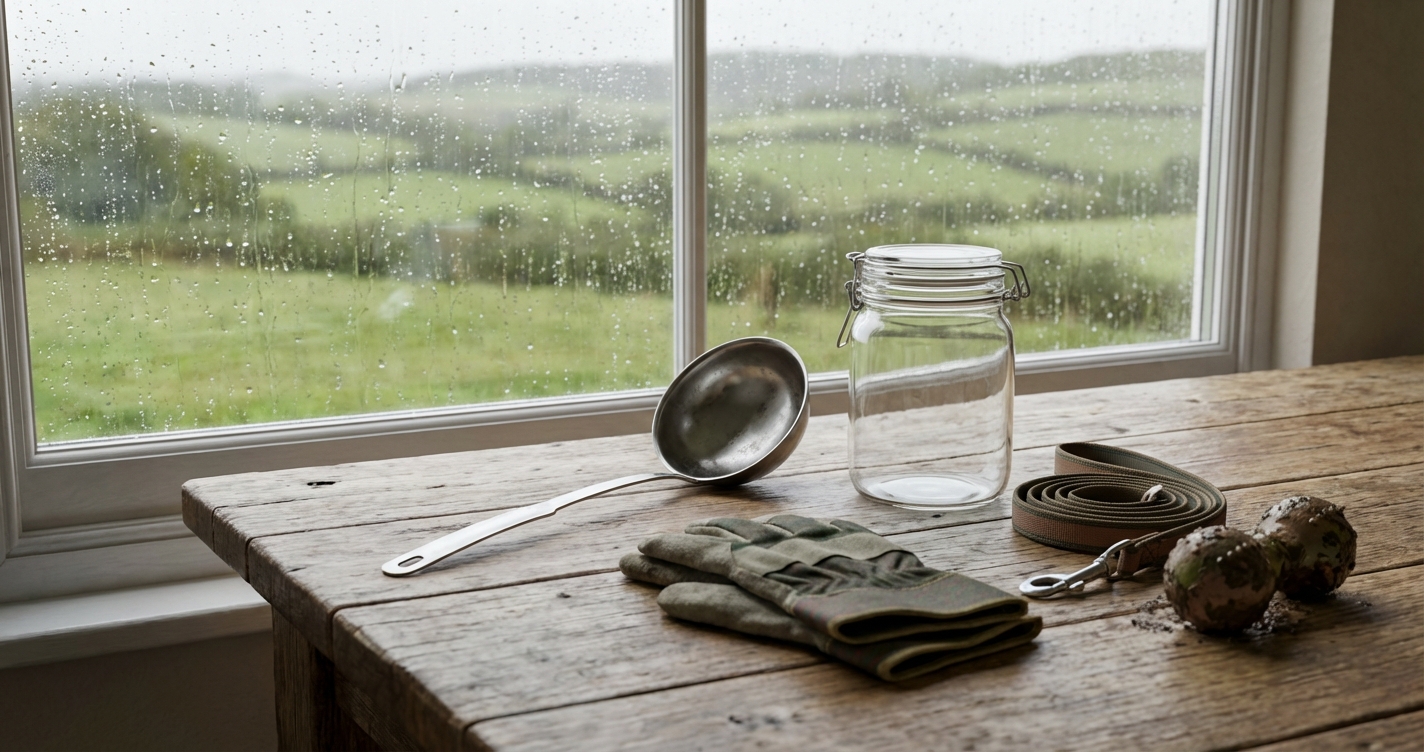
You don’t need to buy expensive medical kits online. Everything you need is likely already in your kitchen cupboards. Just make sure you gather everything before you leash up the dog. Once they realise something is ‘up’, the bladder tends to lock shut.
Your Checklist:
- A Catching Vessel: A shallow plastic tray (like a takeaway tub) works well. Ensure it is washed and rinsed thoroughly—soap residue can skew the results.
- The Soup Ladle (Secret Weapon): This is non-negotiable for female dogs. It acts as an extension of your arm, meaning you don’t have to crouch right under them and spook them.
- Disposable Gloves: For obvious hygiene reasons.
- A Clean Jar with Lid: To transfer the sample into for transport.
- A Lead: Even if you have a fenced garden, keep them on a lead. You need them close to you to make the catch.
The Catch: Gender-Specific Tactics
The mechanics of the catch depend entirely on your dog’s plumbing. Here is how to handle both scenarios.
For the Boys (The Leg Lifters)
Male dogs are generally easier, provided their aim is predictable. The goal here is a mid-stream catch.
- Wait for the flow: Let him sniff and circle. Do not lunge as soon as the leg goes up.
- The Intercept: Once the urine stream starts, he is committed and less likely to stop. Calmly slide your container into the stream.
- Watch the Splash: Keep your hand high enough to avoid getting splashed, but low enough not to touch his body with the cold plastic.
For the Girls (The Squatters)
This is where the soup ladle earns its keep. Female dogs squat low to the ground, leaving very little clearance for a standard pot.
- The Setup: Have the ladle ready in your hand. Keep it behind your back so she doesn’t investigate it.
- The Squat: Wait until she is fully squatted and the flow begins.
- The Slide: Gently slide the bowl of the ladle under her rear from behind. You do not need to catch the whole lot; a tablespoon is usually plenty for the vet to work with.
- The Retrieval: Pull the ladle away carefully before she finishes and stands up, to avoid spilling it.
Storage and Delivery: Fresh is Best
A sample that sits in a warm car for three hours is useless. Bacteria multiply rapidly in urine once it leaves the body, which can trick the vet into thinking there is a nasty infection when there isn’t one.
- Transfer Immediately: Pour your catch from the ladle or tray into a sealable jar.
- The Fridge Rule: If you can’t leave for the vet immediately, pop the jar in the fridge. It stops the sample from degrading.
- Labelling: Write your surname and the dog’s name on the jar. Vets get a lot of samples; don’t let yours get mixed up.
Troubleshooting: When They Just Won’t Go
Dogs are clever. If you are hovering over them with a plastic tub, staring intensely, they will likely get performance anxiety. This is known as being “bladder shy.”
Top Tips for Success:
- Desensitization: If you have time before the vet appointment, take the container out with you on walks a few times without using it. Let the dog realise the plastic tub isn’t a threat.
- Use a Long Lead: A short lead creates tension. Give them enough slack to find their spot.
- Full Bladder: Try first thing in the morning. If that fails, wait a few hours. A dog with a truly full bladder is much less fussy about where they go.
- Don’t Hover: Look away. Pretend you are looking at the trees. Use your peripheral vision to spot the squat or leg lift.
When to Call the Pros
Sometimes, despite your best efforts with the ladle and the treats, it just isn’t happening. If your dog is anxious, aggressive, or simply refusing to urinate on the lead, do not force it.
Additionally, if you spot visible blood in the urine or your dog is straining without producing anything, this is a medical emergency. Call the vet immediately.
In cases where a home sample is impossible, the vet can perform Cystocentesis. It sounds scary, but it involves using a fine needle to take a sterile sample directly from the bladder. It is quick, often painless, and guarantees a pure sample. There is no shame in admitting defeat and letting the professionals handle it!

Related Posts