The Unmistakable Itch: Spotting the Unwanted Lodgers
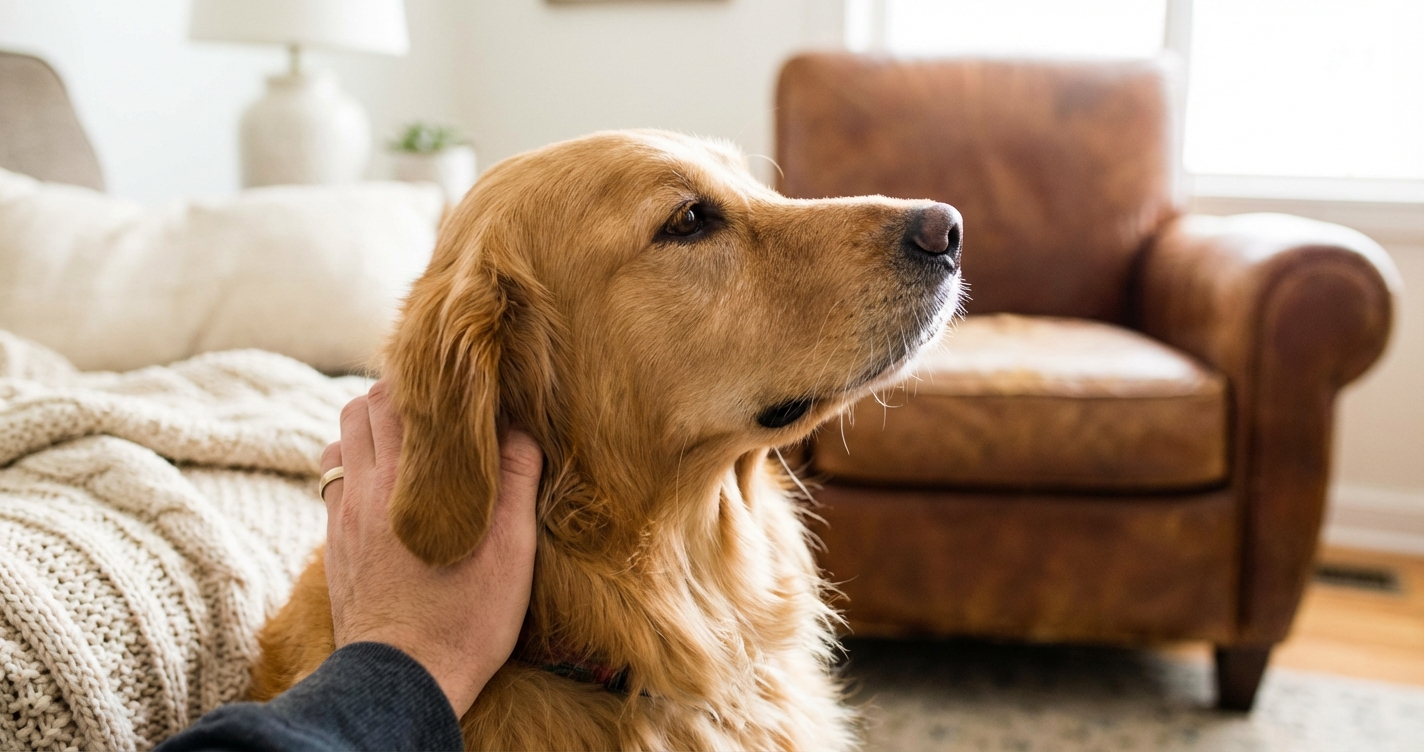
The other evening, I was giving Buster a good old scratch behind the ears – his favourite spot. He was leaning into it, leg thumping on the floor like a drum solo, when I saw it. A tiny, dark speck moving at lightning speed through his coat. It wasn’t a bit of Peak District mud. My heart sank. We had a visitor. An itchy, jumpy, uninvited visitor.
Before you can declare war, you need to be sure you’re fighting the right enemy. Fleas are sneaky little blighters, but they leave clues.
- Live Fleas: These are reddish-brown, about 1-2mm long, and move incredibly fast. You might spot them on your dog’s belly, at the base of their tail, or tucked away in their armpits (or leg-pits, I suppose). A fine-toothed flea comb is your best friend here.
- Flea Dirt: This is the polite term for flea droppings. It looks like little specks of black pepper in your dog’s fur. Not sure if it’s dirt or flea dirt? Here’s a top tip.
The Flea Dirt Test: Pop some of the specks onto a piece of damp kitchen roll. If they are just dirt, they’ll stay brown. If it’s flea dirt, the specks will dissolve into reddish-brown or rusty streaks. Grim, but a dead giveaway.
Understanding the Enemy: Why Fleas Are Such a Nuisance
Right, here’s the bit that really matters. Seeing one flea on your dog is like spotting one soldier on a battlefield. He’s not alone. Veterinary experts reckon that the adult fleas on your pet only make up about 5% of the total infestation. The other 95% are hiding in your house as eggs, larvae, and pupae.
That’s why you can’t just treat the dog and call it a day. You have to understand their life cycle to truly get rid of them.
- The Egg: An adult female flea lays dozens of eggs a day. They’re not sticky; they fall off your dog and into your carpets, sofas, and their bedding.
- The Larva: The eggs hatch into tiny larvae that hate light. They burrow deep into carpets and soft furnishings, munching on flea dirt.
- The Pupa: The larva spins a super-tough, sticky cocoon to become a pupa. This is the flea’s secret weapon. The cocoon is almost indestructible and resistant to many household sprays. It can lie dormant for months, waiting for the vibration or warmth of a passing dog (or you!) to hatch.
- The Adult: Once hatched, the adult flea jumps onto the nearest host for a meal, and the whole miserable cycle starts again.
The Two-Pronged Attack: Treating Your Dog AND Your Home
Getting rid of fleas is a proper campaign, not a single skirmish. You have to be methodical and you have to be thorough. Let’s break it down.
Phase 1: Sorting Out Your Dog
First, let’s bring some relief to your itchy pal. There are loads of products out there, and what works for one dog might not suit another. I’m no vet, so your first port of call should always be a chinwag with them. They can recommend a product that’s safe and effective for your dog’s breed, age, and health.
Generally, your options are:
- Spot-On Treatments: A little pipette of liquid you apply to the back of the neck. Dead simple, very effective, but can be a bit greasy for a day or two.
- Tablets or Chews: You give this to your dog like a biscuit. Buster, my food-obsessed Lab, would eat one wrapped in a council tax bill, so this is a doddle for him. Great if you have kids and don’t want them touching a spot-on treatment.
- Flea Collars: Modern vet-approved ones are a world away from the old smelly things. They offer long-lasting protection but check with your vet for the best brands.
- Flea Shampoos: These can kill the fleas on the dog at that moment, but they don’t offer lasting protection. It’s a good first step in a major infestation, but it’s not the whole solution. Giving Fern, my whirlwind Spaniel, a bath is a two-person, four-towel job, so it’s not my go-to!
A key takeaway: You must treat every animal in the house. The fleas don’t care if Margo the cat never leaves her throne on the radiator; they’ll still find her. Use the correct product for each pet – dog treatments can be extremely dangerous for cats.
Phase 2: Declaring War on the House
This is the part that requires some serious elbow grease. But if you skip it, they’ll be back in a few weeks. Guaranteed.
- The Big Wash: Gather up all your dog’s bedding, blankets, and any cushion covers they lounge on. Wash them on the hottest cycle they can handle (at least 60°C) to kill all life stages.
- The Hoover Offensive: This is your most powerful weapon. Vacuum everywhere. Carpets, rugs, under the sofa, the cracks in the floorboards, the car boot. The vibrations can also encourage pupae to hatch, exposing the new adult fleas to treatment. Once you’re done, empty the hoover outside straight into a bin bag and get it in the outside bin.
- The Final Blow: Use a good quality household flea spray that has been recommended by your vet. Make sure it contains an ‘Insect Growth Regulator’ (IGR) which stops eggs and larvae from developing. Follow the instructions to the letter – this usually means spraying the house, shutting the doors, and going for a nice long walk for a few hours while it works its magic.
Keeping the Blighters at Bay: A Word on Prevention
Once you’ve won the war, you don’t want to fight it again. The only real way to stop a flea infestation is with year-round, regular prevention. Mark it on the calendar. Set a reminder on your phone. A preventative treatment from the vet is infinitely less stressful and costly than dealing with a full-blown invasion. Trust me on that one.
It’s a bit of a faff, I know. But seeing your dog happy, comfortable, and itch-free makes it all worthwhile. Now, I think Buster’s earned a biscuit for being such a good patient.

Related Posts