The Unmistakable Pong: What to Do When Your Dog Meets a Skunk
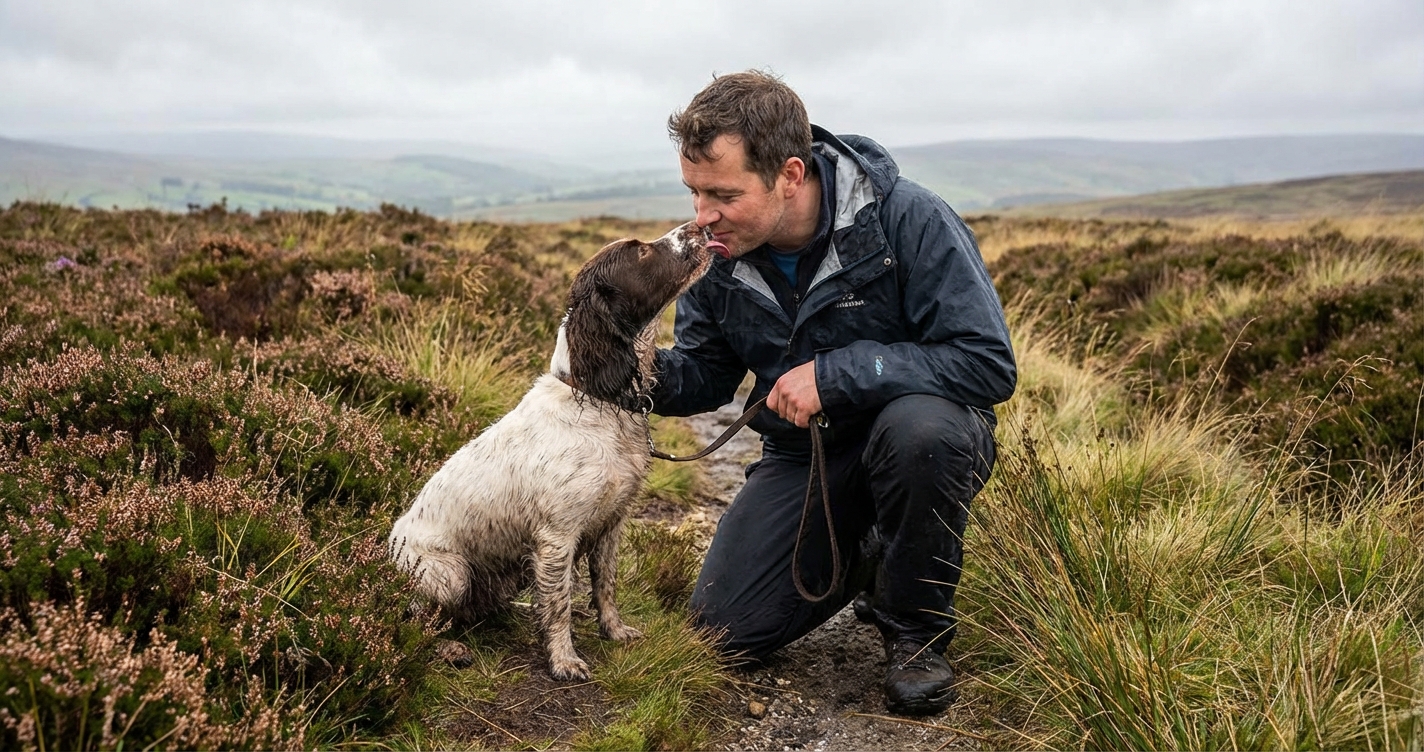
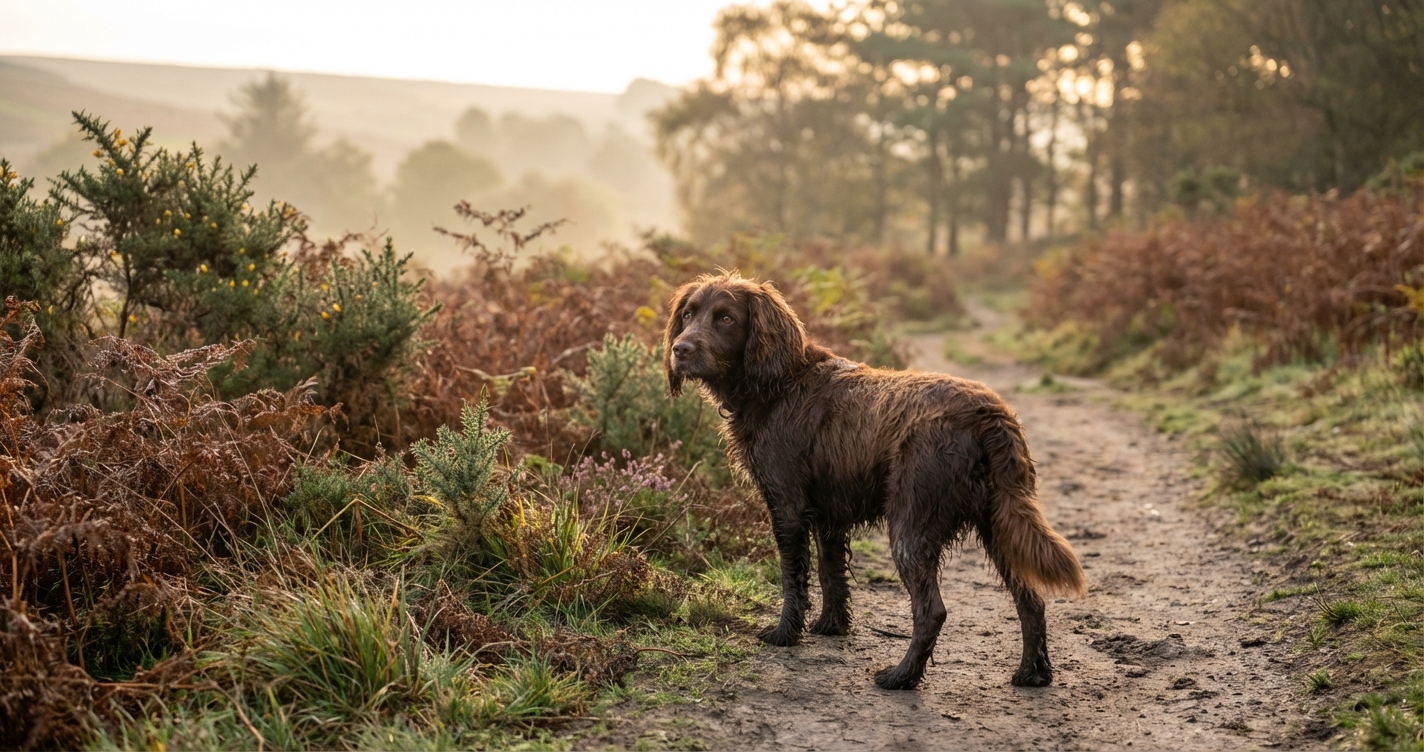
There are certain smells that are just woven into the fabric of the Peak District. Damp earth, woodsmoke on the breeze, and, if you’re particularly unlucky on a late-night walk, the utterly unforgettable aroma of skunk. The other night, Fern the Spaniel, with her usual boundless enthusiasm, shot off into the bracken only to return with a look of pure confusion and a smell that could curdle milk. It’s a moment of pure panic for any dog owner. Your dog is distressed, the smell is invading your nostrils, and you have no idea where to start.
Well, take a deep breath (preferably through your mouth). I’ve been there, and I can tell you that with the right approach and a bit of quick thinking, you can tackle this. This isn’t about fancy potions, it’s about practical chemistry you can do in your garden. Let’s get you and your dog sorted.
First Things First: Immediate Damage Control
Before you even think about bathing, there are a couple of crucial first steps. The goal here is containment.
- Keep Them Outside: Whatever you do, do not let your dog back in the house. That oily, potent spray will transfer to your carpets, your sofa, and everything else. The battle is much easier fought in the garden.
- Check Their Eyes: Skunks often aim for the face. The spray is incredibly irritating and can cause significant pain, redness, and temporary blindness. If your dog was sprayed in the face, you must flush their eyes immediately. Use a sterile saline eye wash if you have it, or just plain, cool water. Gently rinse each eye for 5-10 minutes. If their eyes look very red, are watering excessively, or they seem in real distress, stop what you’re doing and ring your vet.
The Proven Skunk-Busting Recipe (Forget the Tomato Juice)
You’ve probably heard the old wives’ tale about bathing a dog in tomato juice. Take it from me, it’s a myth. All you’ll end up with is a slightly less stinky, very pink dog. The reason skunk spray is so potent is due to chemical compounds called thiols. Tomato juice simply can’t break these down; it just briefly masks the smell. What you need is a solution that chemically neutralises the odour through oxidation.
The Only Recipe You Need
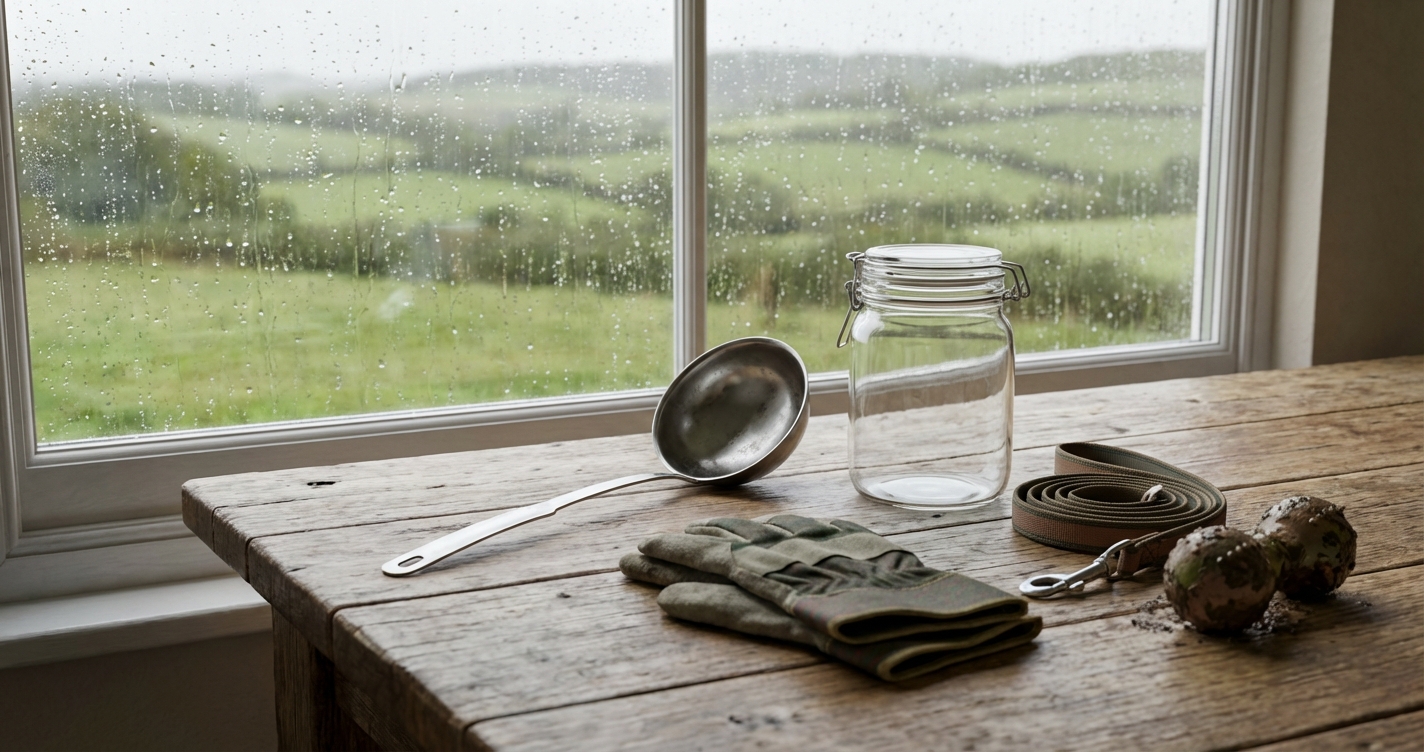
Mix the following in an open bucket or bowl. NEVER mix and store this in a sealed container – the chemical reaction releases oxygen and it could explode.
- 1 litre of 3% hydrogen peroxide solution (the kind you get in a brown bottle from the chemist)
- ¼ cup (about 60 grams) of bicarbonate of soda
- 1-2 teaspoons of a good quality washing-up liquid
The Big Clean-Up: A Step-by-Step Bathing Guide
Right, you’ve got your kit and your courage. Time to get to work. Buster, my Lab, would probably think this was a grand game, but most dogs will be unhappy, so work calmly and efficiently.
- Mix the solution fresh. As mentioned, it doesn’t keep. Stir it together just before you plan to use it. It will start to fizz a bit, which is perfectly normal.
- Keep your dog’s fur dry. Do NOT wet your dog first. The oily spray repels water, so applying the solution to dry fur allows it to work directly on the oils.
- Lather up carefully. Wearing rubber gloves, work the solution deep into your dog’s coat, avoiding their eyes and mouth at all costs. A sponge can be helpful for applying it carefully to the face, well away from the eyes. Massage it in for a good five minutes.
- Let it sit. Allow the mixture to stay on your dog’s coat for at least five minutes, but no more than ten. This gives the chemical reaction time to neutralise the thiols.
- Rinse, rinse, and rinse again. This is the most important step. Use warm water to thoroughly rinse the solution out of their coat. Any residue left behind can irritate their skin.
- Follow with regular dog shampoo. Give them a quick wash with their normal shampoo to help remove any lingering oily residue and leave them smelling much more pleasant.
- Towel dry thoroughly. Get them as dry as you can with towels before letting them back inside. A soggy, slightly skunky dog is better than a soaking wet, slightly skunky dog shaking all over your kitchen.
A Quick Word of Warning: The hydrogen peroxide in this recipe can temporarily lighten the fur of dark-coloured dogs. It’s usually not dramatic, but it’s something to be aware of. A clean dog with a few highlights is a fair trade for that awful smell, in my opinion.
What If You Haven’t Got the Ingredients?
A midnight skunking when the chemist is closed is a real pickle. While the homemade recipe is the gold standard, there are dedicated commercial skunk shampoos available. They are formulated to do the same job – neutralising the odour molecules. It’s honestly not a bad idea to have a bottle of it in the cupboard under the sink, just in case. It’s one of those things you hope you’ll never need, but will be eternally grateful for if you do.
Avoiding a Rematch: How to Prevent Skunk Encounters
Once you’ve dealt with this, you’ll be keen to avoid a repeat performance. A few practical tips can help reduce the chances of another smelly showdown:
- Be mindful of time: Skunks are most active at dawn and dusk. Be extra vigilant on walks during these times.
- Keep them on a lead: A dog roaming free is far more likely to surprise a skunk than one walking beside you.
- Secure your bins: Skunks are often attracted to food waste. Make sure your outdoor bins have tight-fitting lids.
- Clear your garden: Remove woodpiles or thick brush where a skunk might decide to make a den.
It’s a rough, stressful, and very smelly experience for both you and your dog. But armed with the right recipe and a calm approach, you can fix it. Now, I think Fern and I are owed a quiet evening by the fire, and Margo the cat can have her radiator back.

Related Posts