What Are Dog Anal Glands and Why Do They Bother Us?
Right, let’s have a straight chat about one of the less glamorous parts of having a dog: the anal glands. I knew it was ‘that time’ again the other day when Buster, my food-hoover of a Labrador, started his infamous party trick. The one where he plants his backside firmly on the rug and drags himself across the floor with a look of intense concentration. It’s not a dance for attention; it’s the classic sign that his anal sacs need a bit of help.
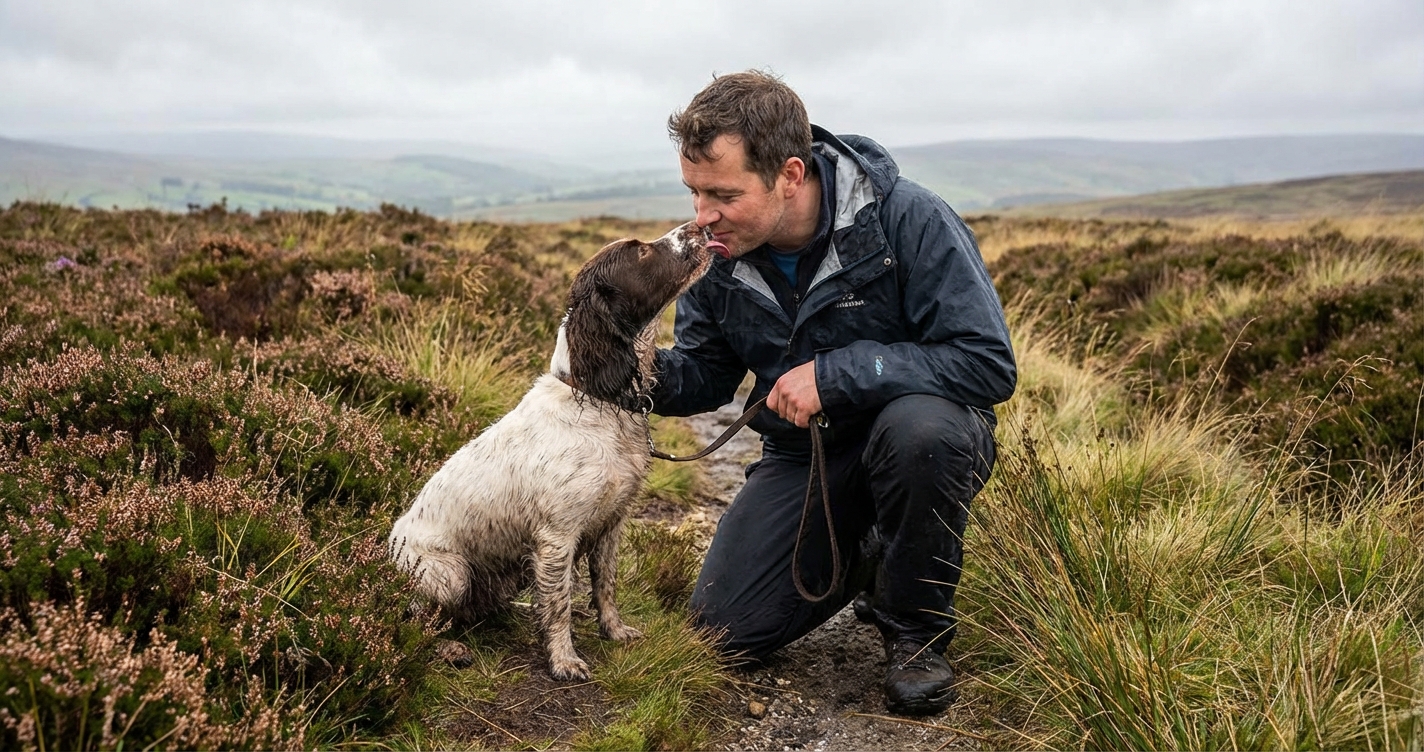
Think of them as two small sacs, located at about the four and eight o’clock positions around your dog’s anus. They hold a potent, fishy-smelling fluid that dogs use to mark their territory. For my Spaniel, Fern, every poo is a press release. Normally, this fluid is expressed naturally when they do their business. But sometimes, especially with softer stools, the sacs don’t empty properly, leading to discomfort and that dreaded scooting.
Key Takeaway: Anal glands, or anal sacs, are scent glands that should empty naturally. When they don’t, they become full and uncomfortable, requiring manual expression.
The Telltale Signs: Is it Anal Gland Time?
Your dog can’t pop down the pub and tell you what’s wrong, so you need to learn their signals. Ignoring a full anal gland can lead to impaction or a nasty abscess, and nobody wants a vet bill for something that could have been spotted early. Margo the cat just looks on smugly; this is purely a dog problem in our house.
Keep an eye out for these classic clues:
- The Scoot: Dragging their rear along the floor.
- Excessive Licking: Constantly licking or chewing at their back end.
- A Fishy Odour: A sudden, pungent smell that isn’t related to wind.
- Trouble Sitting: Seeming uncomfortable or hesitant to sit down.
- Chasing their Tail: More than usual, specifically focused on the base.
Gearing Up for the ‘Procedure’: Your Essential Kit
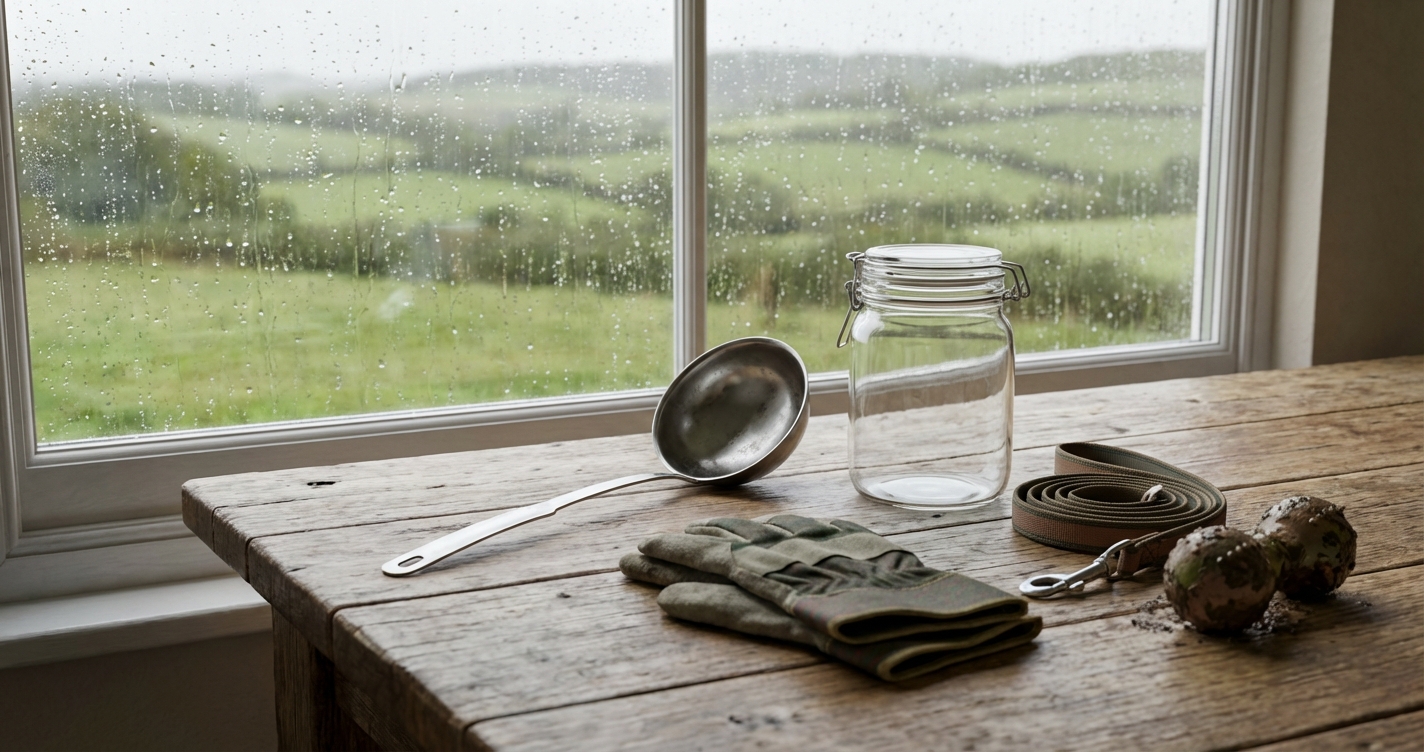
Before you dive in, you need to assemble your tools. This isn’t a job you start only to realise the kitchen roll is in the other room. This has failed ‘The Mud Test’ for me before, and trust me, you don’t want to be in that situation. Get everything within arm’s reach.
- Disposable Gloves: An absolute must. Don’t even think about attempting this without them.
- Lubricant: A water-based lubricant like Vaseline is essential for comfort.
- Kitchen Roll or Paper Towels: Lots of them. You’ll be containing a foul-smelling liquid.
- An Old Towel: To put under your dog to protect your floor.
- Warm, Soapy Water: For cleaning your dog up afterwards. A dog-friendly shampoo is even better.
- A Strong-Stomached Friend: An extra pair of hands to help keep your dog calm and steady is invaluable.
- High-Value Treats: For bribery and for rewarding a very good dog afterwards.
The Main Event: A Step-by-Step Guide to External Expression
A word of caution: If your dog seems in a lot of pain, or if this is your first time, having your vet or a groomer show you how it’s done is the wisest first step. Don’t be a hero if you’re not confident.
Ready? Right then. Best done outside or in a bath to make cleaning up easier.
- Get Positioned: Have your helper hold your dog steady, speaking to them reassuringly. If you’re solo, position a smaller dog on a raised, stable surface. For a larger dog like Buster, I have him stand while I kneel behind him.
- Glove Up and Lubricate: Put your gloves on and apply a good dab of lubricant to your thumb and forefinger.
- Locate the Glands: Lift your dog’s tail. The glands are located on either side of the anus. You should be able to feel two small, grape-like lumps under the skin at roughly the 4 o’clock and 8 o’clock positions.
- Apply Gentle Pressure: Place a wad of kitchen roll over the anus to catch the fluid. With your thumb and forefinger on the outside of the glands, apply gentle but firm pressure, squeezing inwards and upwards towards the opening. Avoid squeezing too hard; it should be a steady, milking motion.
- Check Your Work: You should feel the sacs empty and see the fluid express onto the paper towel. Once one is done, repeat on the other side.
The Internal Method: A Job for the Professionals
You may see vets or experienced groomers perform an ‘internal’ expression, where a gloved finger is inserted into the rectum to empty the sac more thoroughly. This is not a DIY job. It requires anatomical knowledge to avoid causing injury or pain. Leave this one strictly to the professionals.
Reading the Results: What’s Normal and What’s a Red Flag?
What comes out is as important as getting it out. A quick inspection can tell you a lot about your dog’s health.
- Normal: The secretion should be a brownish, thin liquid. The smell is foul, but the consistency is key.
- Abnormal (Time to ring the vet): If the fluid is thick like toothpaste, a yellow or greenish colour, or contains any blood, this signals an infection or impaction. Do not proceed. Book a vet appointment immediately.
The Aftermath: Clean-Up and Cuddles
Once the deed is done, the job isn’t over. Use the warm, soapy water to gently wash your dog’s rear end. The smell can linger, so be thorough. Dry them off, dispose of all the soiled materials and gloves responsibly, and then give them a massive fuss and a high-value treat. They’ve earned it.
Down Tools and Ring the Vet: When to Get Help
Knowing your limits is a crucial part of responsible dog ownership. It’s time to call in the professionals if you notice:
- Your dog yelps or shows signs of severe pain during the process.
- The area is red, swollen, or has a hard lump.
- You see the abnormal secretions mentioned above (thick, bloody, or pus-like).
- The problem keeps coming back every few weeks.
- You simply cannot get the glands to empty with gentle pressure.
A Proactive Approach: Keeping Glands Healthy and Empty
Prevention is always better than a cure, especially a smelly one. You can significantly reduce the frequency of this chore by focusing on your dog’s overall health, particularly their diet.
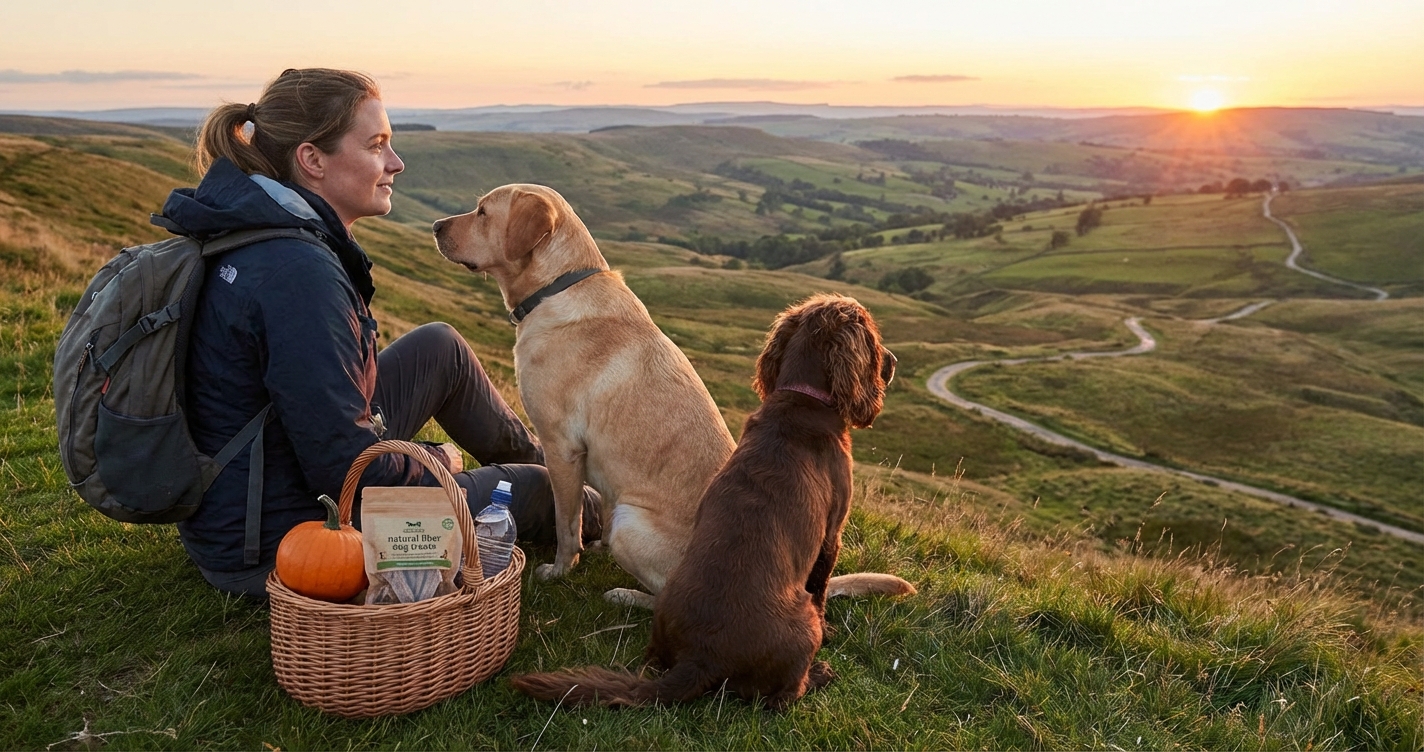
The secret is a firm stool. Firm poos provide the natural pressure needed to empty the glands on their way out. The best way to achieve this is through a diet rich in fibre. Adding a spoonful of pure pumpkin purée (not the pie filling!) or some mashed sweet potato to their food can work wonders. A high-quality dog food with good ingredients is the foundation of it all. Keeping your dog at a healthy weight and ensuring they get plenty of exercise also plays a massive role in good digestive and muscular health.
Your Questions Answered: Anal Gland FAQs
How often should I be doing this?
Ideally, never. A healthy dog on a good diet should not need their glands expressed manually. If you’re having to do it more than once every couple of months, it’s worth a chat with your vet about underlying causes.
Are some dog breeds more prone to problems?
Yes, smaller breeds like Chihuahuas, Pugs, and Cocker Spaniels seem to be more susceptible to anal gland issues than their larger counterparts.
Does expressing the glands hurt my dog?
If done correctly and gently, it should be more of an uncomfortable pressure than outright painful. However, if the glands are impacted or infected, it will be very painful, which is a clear sign to stop and see a vet.

Related Posts