Decoding the Dog Treat Dilemma: From Peak District Puddles to Your Pocket
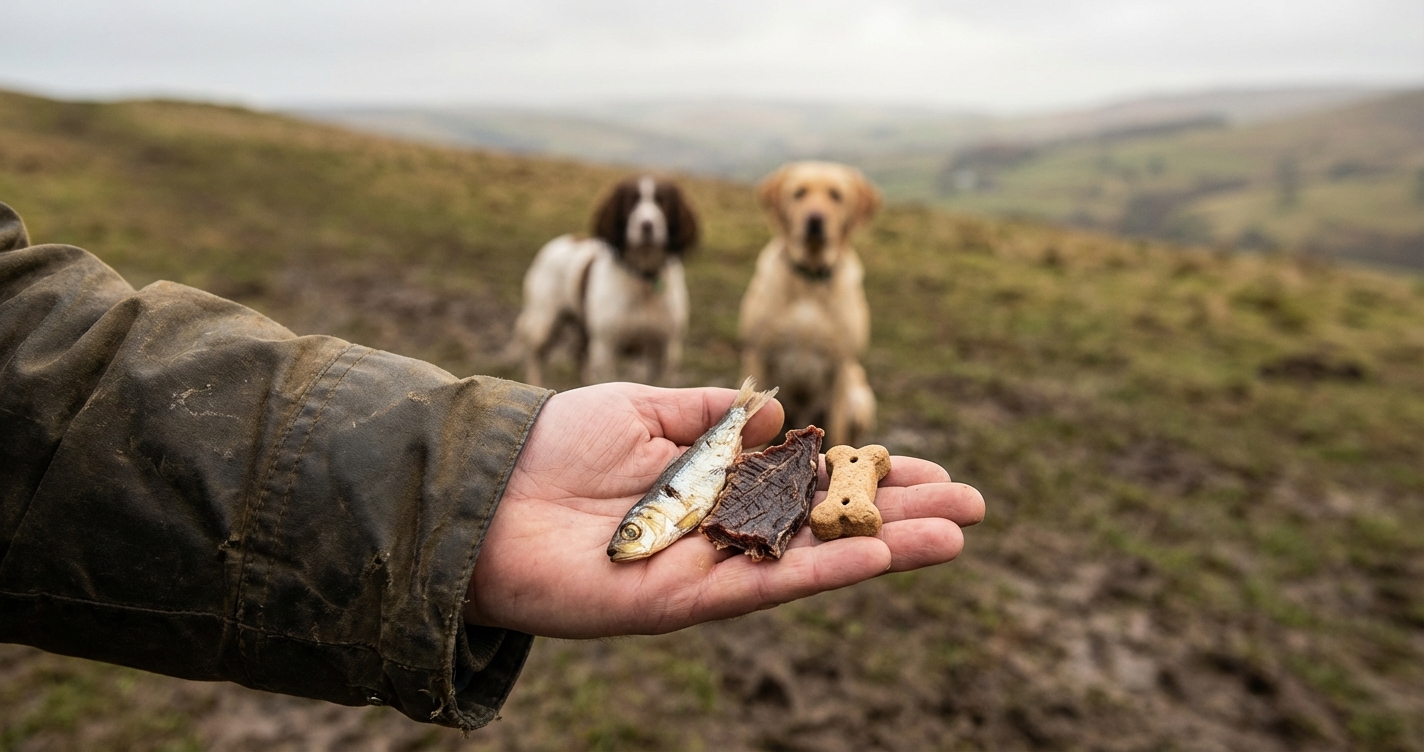
The rain was coming in sideways, the kind of fine, misty stuff that soaks you through without you even noticing. I was halfway up Mam Tor with Fern, my whirlwind of a spaniel, who had decided that a particularly interesting sheep dropping was far more important than my increasingly desperate calls for her to come back. My secret weapon? A dried sprat from the bottom of my coat pocket. The scent hit her, she slammed on the brakes, and trotted back looking mightily pleased with herself. That, right there, is the power of a good dog treat. It’s not just a snack; it’s a training tool, a reward, and a bloody good bribe when you need one.
But walk into any pet shop and the choice is overwhelming. Brightly coloured nonsense, things that look like plastic, and bags of biscuits with ingredients lists longer than my arm. Sorting the wheat from the chaff is a proper job. Here at Pardon My Pet, the board of directors—Buster the Labrador (Head of Quality Control), Fern the Spaniel (Chief of Field Trials), and Margo the cat (Supreme Overlord, observing from the radiator)—have helped me put together a no-nonsense guide. Let’s get down to brass tacks.
What Actually Makes a Dog Treat ‘Good’?
Before we dive into the best of the best, let’s clear up what we’re looking for. It’s not about fancy packaging. It’s about what’s inside.
- Readable Ingredients: If you can’t pronounce it, be wary. Look for whole foods like meat, fish, or vegetables high up the list. The top ingredient should always be a specified meat or fish, not a vague ‘meat and animal derivatives’.
- Nutritional Value: A treat should be more than just empty calories. Look for benefits like omega oils for a shiny coat, glucosamine for creaky joints, or natural fibres for a happy gut.
- The ‘Mud Test’ Practicality: Does it crumble to dust in your pocket? Does it stink to high heaven? Is it so greasy it leaves a patch on your trousers? A good treat has to work in the real world, not just in a pristine kitchen.
- Sourcing and Provenance: Knowing where the ingredients come from is a huge plus. British-made often means higher welfare standards and better quality control.
The Best Dog Treats by Category: A Treat for Every Occasion
A treat for training a frantic spaniel is very different from a long-lasting chew designed to keep a food-obsessed Labrador quiet for five minutes. Here’s our breakdown.
Best for Training
For training, you need something small, smelly (in a good way), and highly desirable. These are what vets call ‘high-value’ treats.
Key Takeaway: Training treats should be tiny—no bigger than your little fingernail. You’ll be using a lot of them, and you don’t want your dog piling on the pounds.
- Our Pick: Small pieces of dried fish (like sprats) or pure meat training treats.
- Why: They are pure protein, incredibly motivating for most dogs, and you can break them up easily.
- The Mud Test: They can make your pocket a bit fragrant, mind. I keep mine in a small, sealed pouch to contain the fishy pong. They don’t leave a greasy residue, which is a big win.
Best for Dental Health
These are designed to clean teeth through abrasive action as the dog chews. Forget the luminous green, plasticky ones. A good dental chew should have decent ingredients and a texture that works.
- Our Pick: Natural, air-dried chews like beef scalp, fish skin jerky, or specific dental sticks from reputable brands like Forthglade or Vet’s Kitchen.
- Why: The tough texture scrapes away plaque. Fish skins are also packed with Omega-3. They engage the dog’s natural instinct to chew.
- Buster’s Verdict: A resounding success. Anything that takes him longer than 30 seconds to demolish and also cleans his gnashers gets a wag of approval.
Best for Puppies
A puppy’s stomach is sensitive and their teeth are still developing. You need something gentle, natural, and not too hard.
- Our Pick: Soft, natural treats. Think small, air-dried meat strips or fish treats that aren’t bone-hard.
- Why: They are easy on a puppy’s digestive system and won’t risk damaging their teeth.
- Avoid: Hard, cooked bones, rawhide, and anything with a ton of artificial colours or sugars.
Best for Senior Dogs
Older dogs might have fewer teeth, slower digestion, or joint issues. Treats should be soft, easy to digest, and ideally contain beneficial supplements.
- Our Pick: Soft-bite treats, often marketed as ‘senior’ treats, that contain things like chondroitin or glucosamine for joint support.
- Why: They’re easy to chew and provide targeted nutritional benefits for the golden years.
- Fern’s Future: She’s not there yet, but I’m already looking at treats with green-lipped mussel for when her high-octane lifestyle starts to catch up with her joints.
Best for Large Breeds
A treat for a Jack Russell is just an appetiser for a dog like Buster. Large breeds need bigger, more durable chews to satisfy them and provide a proper dental workout.
- Our Pick: Large, natural chews like beef trachea, buffalo horns (supervised!), or extra-large fish skin flatties.
- Why: They are size-appropriate and provide long-lasting chewing enrichment, which can prevent boredom and destructive behaviour.
- Warning: Always supervise your dog with any large chew to prevent choking.
Best for Dogs with Sensitive Stomachs
If your dog has a delicate tummy, single-protein, grain-free treats are your best friend. Simplicity is key.
- Our Pick: Air-dried 100% meat or fish treats. Brands that specialise in hypoallergenic food often have a great treat range.
- Why: With only one ingredient, you eliminate potential triggers for allergies or digestive upset. There are no nasty fillers or grains to worry about.
A Word from the Vet: What the Professionals Recommend
I had a chat with our local vet while getting Buster’s annual jabs. Her advice was refreshingly simple: “Read the label. If the first ingredient isn’t meat or fish you recognise, put the bag down.” She’s a big fan of using your dog’s own kibble as a low-calorie training reward, and for chews, she stresses the importance of natural, digestible options over processed junk or cooked bones, which can splinter.
Healthy Human Foods You Can Share (In Moderation!)
Some of the best treats are already in your kitchen. Just remember the 10% rule: treats should make up no more than 10% of your dog’s daily calorie intake.
- Carrot & Apple Slices: Crunchy, low-calorie, and great for teeth. Just be sure to remove apple pips and the core.
- A Spoonful of Plain Yoghurt: Good for gut health, but make sure it’s natural and contains no xylitol (an artificial sweetener that is highly toxic to dogs).
- Bits of Cooked Lean Meat or Fish: The ultimate high-value reward. Just make sure it’s plain, without sauces or salt.
- Pumpkin or Butternut Squash: Cooked and pureed, it’s fantastic for digestion.
What to Avoid: The Dog Treat Blacklist
Some things should never pass your dog’s lips. This isn’t about being fussy; it’s about safety.
- Rawhide: Often treated with harsh chemicals and can be a choking or blockage hazard. There are far better, natural alternatives.
- Anything with Xylitol: This artificial sweetener is found in some peanut butters and ‘sugar-free’ products. It is extremely poisonous to dogs.
- Cooked Bones: They become brittle and can splinter, causing serious internal damage.
- Vague Ingredients: ‘Cereals’, ‘derivatives of vegetable origin’, and ‘meat and animal derivatives’ are red flags for low-quality filler.
- Artificial Colours and Preservatives: Things like BHA, BHT, and ethoxyquin are best avoided. Your dog doesn’t care if a biscuit is bright orange.
How to Choose the Right Treat for Your Dog
Right, pint finished. Time to settle the tab. Choosing the right treat isn’t complicated. It boils down to this:
Look at your dog, not the marketing. Are they a growing pup, a lumbering giant, or a sensitive soul? Match the treat to their specific needs. Prioritise simple, natural ingredients from a source you trust. And remember, the best treat in the world is the one that makes your dog’s eyes light up and their tail wag—as long as it’s good for them, of course. Now, if you’ll excuse me, I think I hear Buster’s internal dinner bell ringing.

Related Posts