What Are Dog Eye Boogers, Anyway? (And Are They Normal?)
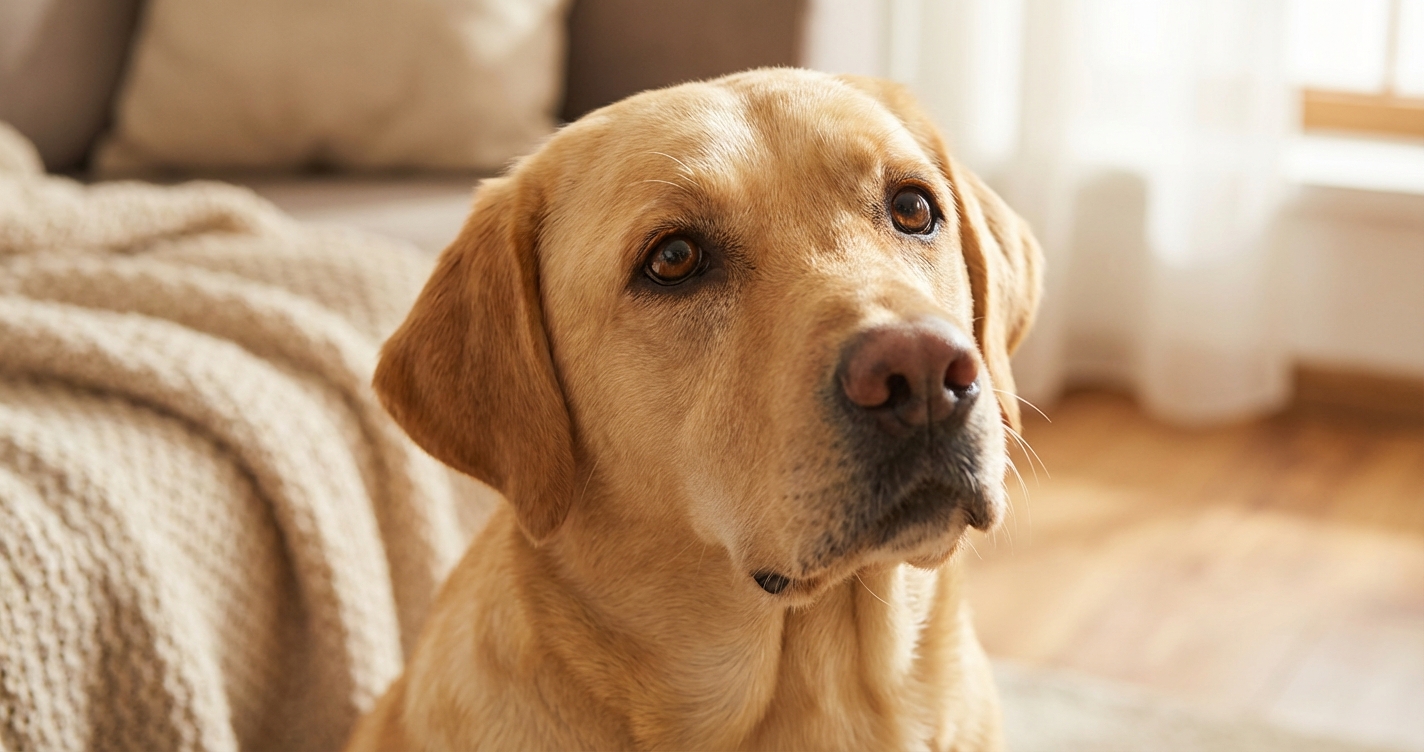
The other morning, I nearly tripped over Buster, my food-obsessed Lab, who was performing his usual door-stop impression by the kettle. I glanced down and saw it: a proper, Grade-A bit of crusty gunk in the corner of his eye. For a split second, the mind races, doesn’t it? But then I remembered, this is just his morning ‘sleepy dust’.
A little bit of gunk, often called rheum, is a perfectly normal part of a dog’s life. It’s simply a mix of dried tears, oil, mucus, and dead cells that the eye clears out, especially during a good long nap. So, if you’re wiping away a small, dry crust in the morning, there’s usually no need to fret.
- Normal Discharge: Typically clear or slightly reddish-brown and crusty.
- When it Appears: Most noticeable after your dog has been sleeping.
- What it is: The eye’s natural and brilliant self-cleaning mechanism at work.
The trouble starts when that ‘sleepy dust’ changes character. That’s when we need to pop on our detective hats and figure out what our dog’s eyes are trying to tell us.
A Colour-Coded Guide to Your Dog’s Eye Discharge
Think of your dog’s eye discharge as a sort of traffic light system. The colour and consistency can give you a massive clue as to whether you can ‘proceed with caution’ or need to ‘stop’ and ring the vet immediately.
Clear & Watery (Epiphora)
If your dog’s eyes look like they’re constantly weeping, you’re likely looking at epiphora, the technical term for excessive tearing. It might be nothing more than a bit of dust or pollen that’s causing irritation. However, it can also be a sign of something more, like allergies, a blocked tear duct, or even the shape of their eye socket.
Reddish-Brown Stains
This one is particularly noticeable on dogs with light-coloured fur. It looks alarming, but it’s rarely blood. This staining is caused by a pigment called porphyrin, which is present in tears. When the tears sit on the fur for a while, they oxidise and turn a rusty colour. While often just a cosmetic issue, it can be a sign of that excessive tearing we just talked about, so it’s worth keeping an eye on.
White or Grey Mucus
A bit of greyish, mucus-like gunk could point towards a condition called Keratoconjunctivitis Sicca (KCS), more commonly known as ‘dry eye’. This is where the eye isn’t producing enough tears to stay lubricated. The eye then tries to compensate by producing more mucus, leading to this stringy discharge. This definitely warrants a chat with the vet.
Yellow or Green Goop
This is your big, unmissable red flag. Thick, opaque eye discharge that is yellow or green is a classic sign of an infection. It’s basically pus, and it’s a clear signal that your dog’s eye is fighting something off. It’s often accompanied by redness and discomfort and is the most common sign of conjunctivitis (or ‘pink eye’). Don’t delay—this is a ‘phone the vet now’ situation.
Common Culprits Behind Abnormal Eye Gunk
So, what’s causing all this gunk to appear? It can be a whole host of things, from the mundane to the more serious.
- Allergies: Just like us, dogs can get hay fever or react to dust and household cleaners, leading to watery eyes.
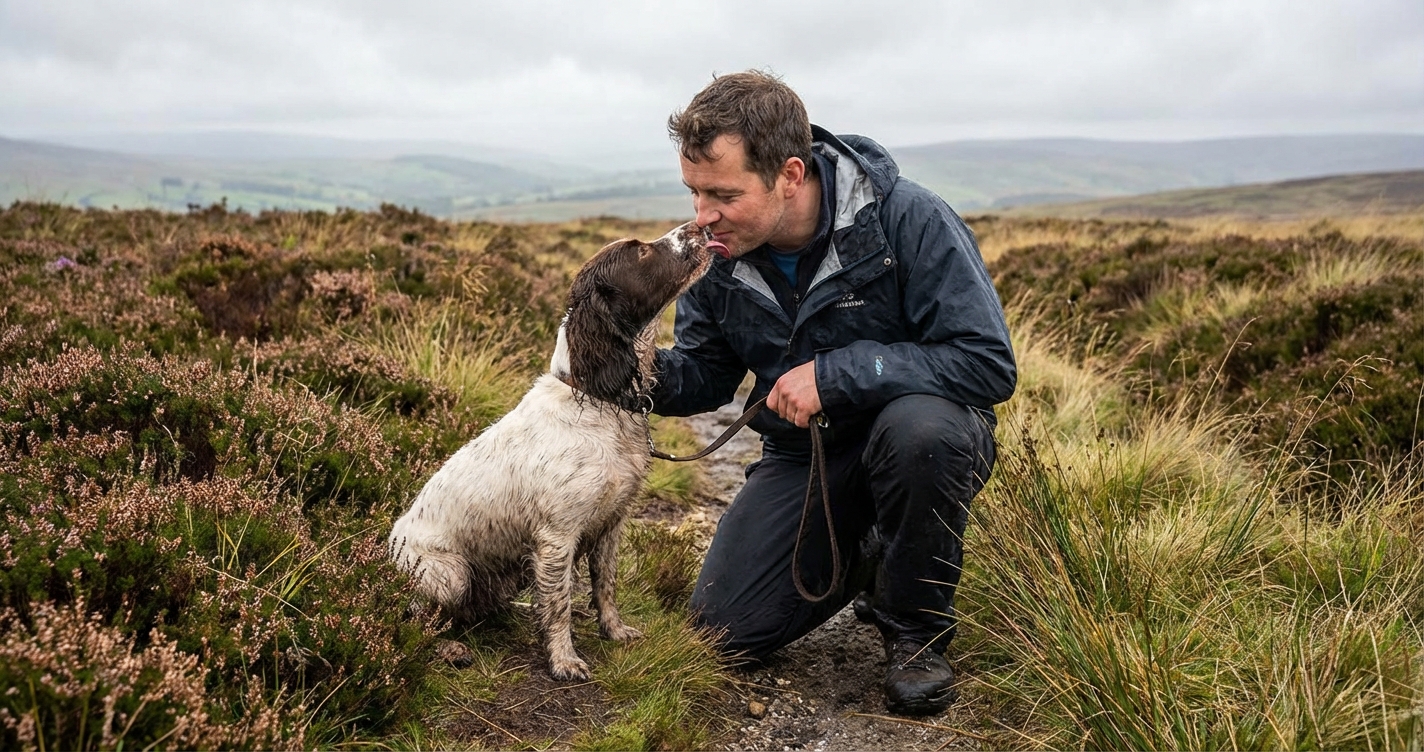
- A Foreign Object: A blade of grass, a bit of grit, or a seed can easily get lodged in the eye. My spaniel, Fern, is a prime candidate for this after hurtling through a field at top speed.
- Corneal Scratches: A scrape on the surface of the eye (the cornea) can be painful and cause a lot of discharge as the eye tries to heal.
- Infections: Bacterial or viral infections are common culprits, leading to that tell-tale yellow/green pus.
- Breed-Specific Issues: Flat-faced (brachycephalic) breeds like Pugs and Bulldogs are more prone to eye problems due to their shallow eye sockets.
When to Ring the Vet: An Urgent Care Checklist
My rule of thumb is simple: if you’re worried, make the call. It’s always better to be safe than sorry. But you should definitely seek professional advice without delay if you notice any of the following:
- A sudden change in the colour or consistency of the discharge (especially to yellow/green).
- The white part of the eye (the sclera) looks red and inflamed.
- Your dog is holding one or both eyes closed or seems sensitive to light.
- You can see swelling around the eyelid.
- Your dog is pawing or rubbing at their face constantly.
- The eye itself appears cloudy or bluish.
How to Safely Clean Your Dog’s Eyes (The Practical Bit)
For the routine ‘sleepy dust’ clean-up, a little bit of maintenance goes a long way. But it has to be done correctly to avoid making things worse.
Step 1: Get Prepared
Wash your hands thoroughly first. Grab a soft, clean cloth (a reusable makeup remover pad or a bit of kitchen roll works well) and a small bowl of lukewarm, boiled water. Important: Do not use cotton wool balls, as the fibres can break off and get into the eye, causing even more irritation.
Step 2: The Gentle Wipe
Dampen the cloth—it shouldn’t be dripping wet. Gently wipe from the inner corner of the eye outwards. This motion directs the gunk away from the tear duct and the eye itself.
Step 3: Avoid Cross-Contamination
Use a fresh, clean part of the cloth (or a completely new one) for the other eye. This is crucial to prevent transferring any potential infection from one eye to the other.
What to Avoid: Never, ever use human eye drops or any medicated products unless specifically prescribed by your vet. You can do more harm than good.
A Few Tips for Keeping Their Peepers Perfect
A little bit of preventative care can help keep eye issues at bay.
- Regular Checks: Make a habit of looking at your dog’s eyes every day. You’ll quickly learn what’s normal for them.
- Keep Fur Trimmed: For fluffier dogs, carefully trim the hair around their eyes to prevent it from poking and irritating the eyeball.
- Post-Walk Wipe-Down: After a windy walk or a mad dash through the woods, a quick, gentle wipe can remove potential irritants like pollen and dust.
At the end of the day, you know your dog best. That little crusty bit on Buster’s eye is his normal, but a sudden change would have me on the phone to the professionals in a heartbeat. Keep an eye on their eyes, and you’ll be giving them the best care possible. Now, if you’ll excuse me, the board of directors are demanding biscuits.

Related Posts