From Quirks to Concerns: Understanding Your Dog’s Sideways Walk
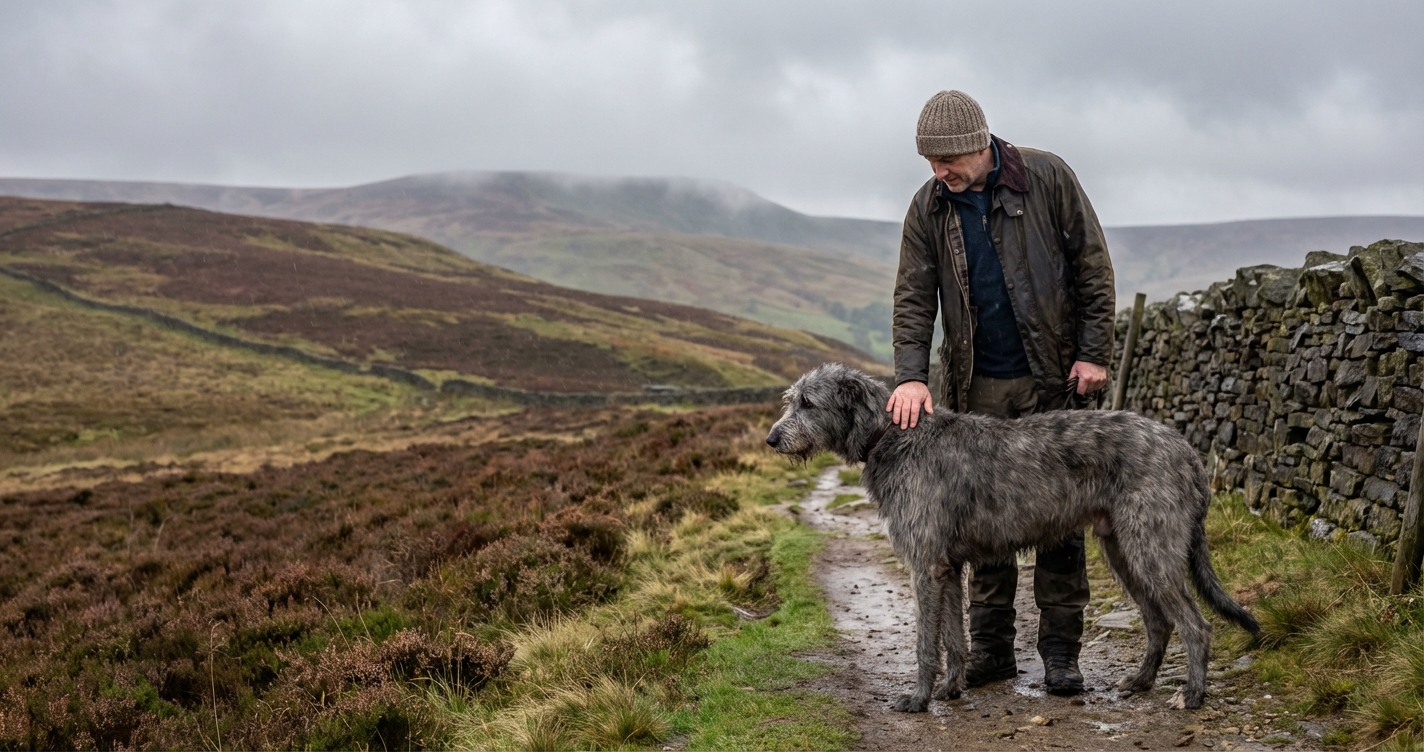
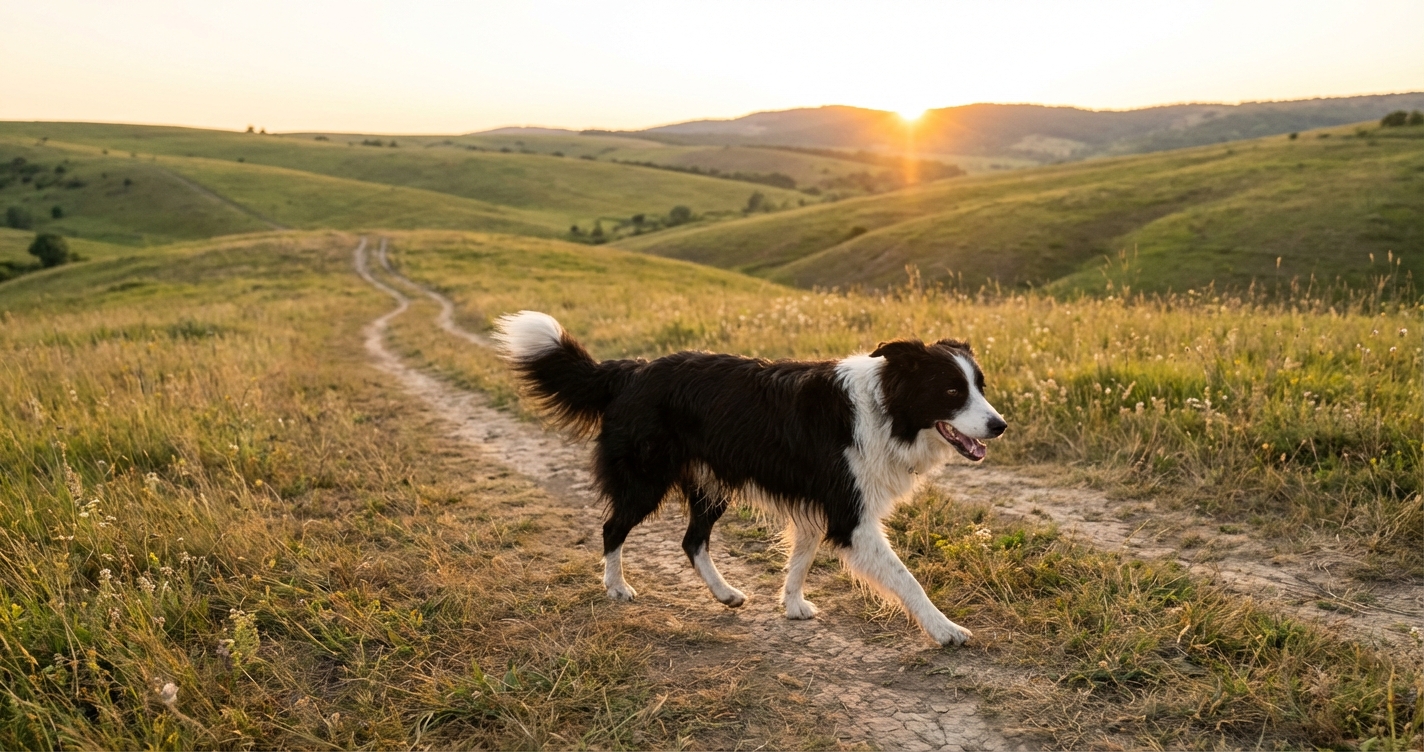
The other day, I was out on a particularly blustery walk up near Mam Tor, and I saw a young Border Collie doing the most peculiar thing. As its owner threw the ball, it would launch off in a perfect straight line, but on the trot back, its back legs were skewed off to one side, like it was trying to overtake its front half. The dog was happy as Larry, tail wagging nineteen to the dozen, but it had this funny, lopsided gait. It’s a sight that can pull you up short, isn’t it? One minute they’re trotting along, the next they look like they’re trying to walk around a corner that isn’t there.
This sideways shuffle, often called “crabbing” or a “crab walk,” is when a dog moves forward, but their body is angled away from the direction of travel. Before you start frantically searching for the nearest emergency vet, take a breath. More often than not, it’s a completely harmless quirk. But sometimes, it can be a little flag, signalling that something else is going on. The trick is knowing how to tell the difference.
The Harmless Crab Walk: When It’s Just a Quirk
In many cases, a dog walking sideways is no more concerning than them having a favourite squeaky toy. Here are a few perfectly normal reasons for a crooked trot.
The Awkward Puppy Phase
Let’s be honest, puppies are all legs and no coordination. During their rapid growth spurts, their front and back ends don’t always grow at the same rate. This can lead to a clumsy, sideways gait as they figure out how to manage their gangly new limbs. Most pups grow out of this as their body proportions even out.
Breed, Build, and Conformation
Some dogs are simply built to crab. Breeds with long bodies and narrow hips, like German Shepherds, Border Collies, and many terrier types, sometimes adopt a sideways gait. It’s a simple case of traffic management: by angling their body, they prevent their long back legs from clipping their front paws as they move at speed. It’s an efficient, if odd-looking, way to trot.
A Burst of Pure Excitement
Have you ever seen a dog so excited to see you that their whole body wiggles and they can’t seem to run towards you in a straight line? This is a classic example of a behavioural crab walk. Their brain is firing off so many happy signals that their body just can’t keep up, resulting in a giddy, sideways approach. It’s a happy dance, nothing more.
When a Sideways Stroll Warrants a Second Look
So, when does a quirky walk become a cause for concern? The key is usually a sudden change. If your adult dog, who has always walked straight as an arrow, suddenly starts crabbing, it’s time to pay closer attention.
Look out for the sideways walk when it’s paired with other symptoms:
- Visible Pain: Is your dog yelping, whimpering, or reluctant to be touched in a certain area?
- Stumbling or Loss of Balance: Are they looking clumsy, wobbly, or even falling over? This is often called ataxia.
- A Head Tilt: Is their head consistently cocked to one side?
- Lethargy: Are they less energetic than usual or have they lost interest in walks and play?
- Limping: Is the sideways walk accompanied by a noticeable limp in one or more legs?
Potential Medical Reasons for a Crooked Gait
If you’re seeing other signs that something is amiss, the sideways walk could be a symptom of an underlying medical issue. I’m no vet, of course, but it helps to be aware of what a professional might be looking for.
Inner Ear & Balance Issues (Vestibular Disease)
The vestibular system, located in the inner ear, is a dog’s balance centre. When it’s disrupted, it’s like a severe case of vertigo for them. An inner ear infection or a condition called idiopathic vestibular syndrome (common in older dogs) can cause a sudden head tilt, dizziness, and a drunken, sideways walk. They are literally struggling to figure out which way is up.
Orthopaedic Aches and Pains
Simple joint or muscle pain is a very common culprit. By shifting their body to one side, a dog can take weight off a sore leg or hip. This could be due to:
- Hip Dysplasia: A malformation of the hip joint that is common in many breeds.
- Arthritis: Wear and tear on the joints, especially in older dogs.
- An Injury: A sprain, muscle pull, or even a thorn in the paw can cause them to alter their gait to avoid pain.
Neurological Problems
Sometimes, the issue originates in the brain or spinal cord, affecting the signals sent to the limbs. While less common, conditions like a stroke, a spinal issue, or degenerative myelopathy can manifest as a loss of coordination and an abnormal, sideways walk.
Right, What Should You Actually Do?
Seeing your dog walk funny can be worrying, but a calm, methodical approach is best. Here’s a practical plan of action.
Step 1: Be a Detective, Not a Doctor
Before ringing the vet, take a moment to observe. Your notes will be incredibly helpful for them. Jot down the answers to these questions:
- When did it start? Was it sudden or gradual?
- Does it happen all the time, or only when trotting or running?
- Are there any other signs, like a head tilt, limping, or yelping?
- Is their appetite and thirst normal? Are they still keen for a walk?
Step 2: A Gentle Once-Over at Home
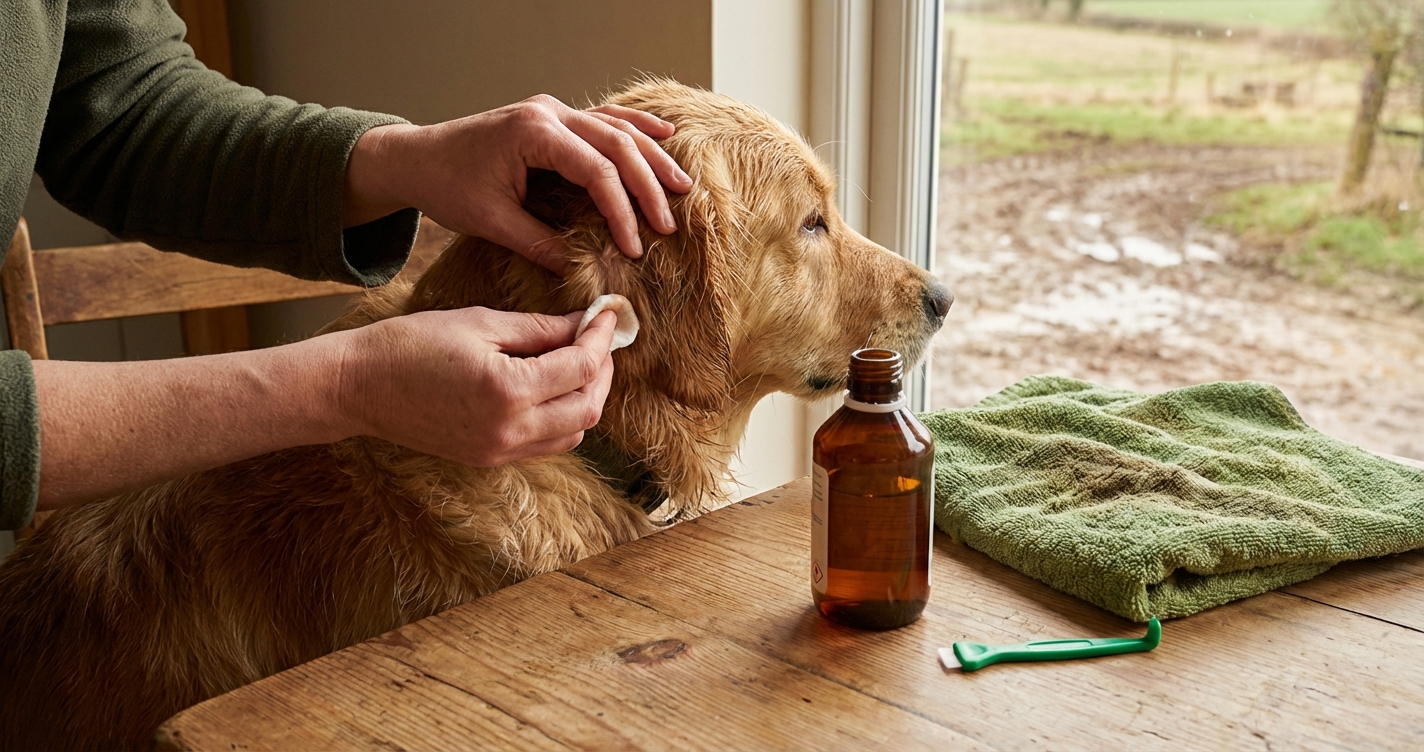
If your dog is comfortable with it, run your hands gently over their body, legs, and hips. Feel for any swelling, heat, or sensitive spots that make them flinch. Check between their paw pads for any cuts, thorns, or matted fur. This isn’t about diagnosis; it’s about gathering information.
Step 3: When to Ring the Vet
Your observations will tell you how urgent the situation is.
- Book a routine appointment if: Your dog seems happy and pain-free, but the sideways walking is new and persistent.
- Ring the vet for an urgent chat if: The sideways walk is accompanied by clear signs of pain, disorientation, a significant head tilt, or a sudden loss of energy. A professional needs to take a look sooner rather than later.
The Bottom Line on the Sideways Shuffle
A dog that crabs can look comical, and nine times out of ten, it’s just a funny quirk of their build or personality. It’s part of what makes them, them.
But as their keeper, you’re the expert on what’s normal for your dog. A sudden change in how they move is always worth noting. Don’t panic, but do pay attention. By observing them carefully, you can give your vet the best possible information to work with and ensure your four-legged friend is happy, healthy, and ready for the next walk, no matter which way they choose to trot.

Related Posts