
Decoding Your Dog’s Rapid Breathing: A No-Nonsense Guide
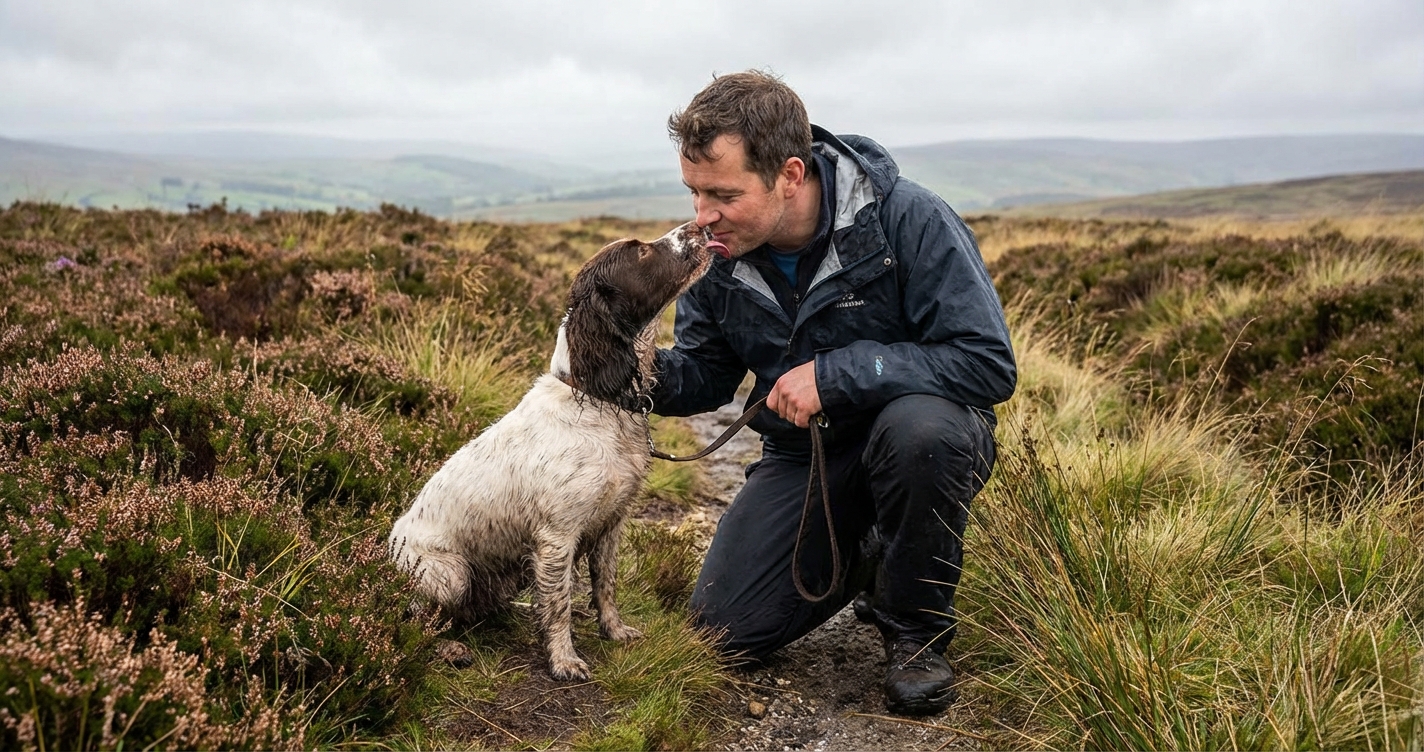
The other day, I was watching Fern, my ever-so-slightly bonkers Spaniel, absolutely spark out on her bed after a long yomp across the moors. Her little chest was rising and falling at a rate of knots, and for a split second, that familiar knot of worry tightened in my stomach. Was she okay? Is that normal? It’s a feeling I think most of us dog owners know well. You see something out of the ordinary and your mind immediately jumps to the worst-case scenario.
Most of the time, like with Fern after her big adventure, it’s nothing to fret about. But sometimes, it can be a sign that something’s amiss. So, let’s get a brew on and have a proper, down-to-earth chat about it. We’ll untangle the difference between a normal post-zoomies pant and something that needs a professional opinion.
A Quick Caveat: Before we dive in, let’s be clear. I’m just a bloke with a laptop and a board of directors consisting of a food-obsessed Lab (Buster), a high-energy Spaniel (Fern), and a rescue cat who rules the radiator (Margo). I am not a vet. This guide is to help you spot the signs and know what to do, but the real diagnosis and advice must always come from a qualified veterinary professional.
First Things First: What’s a Normal Breathing Rate for a Dog?
A healthy, relaxed dog at rest has a surprisingly slow breathing rate. It’s a good benchmark to know, so you can tell when things are genuinely off-kilter.
- The Magic Number: For most adult dogs, a normal resting respiratory rate is between 15 to 30 breaths per minute.
- What Counts as a Breath? One full breath is one inhalation (chest rises) and one exhalation (chest falls).
Puppies and smaller breeds might naturally have a slightly faster rate, but they should still fall comfortably within or very near this range when they’re properly resting.
How to Measure Your Dog’s Breathing Rate (The ‘Snooze-o-Meter’ Method)
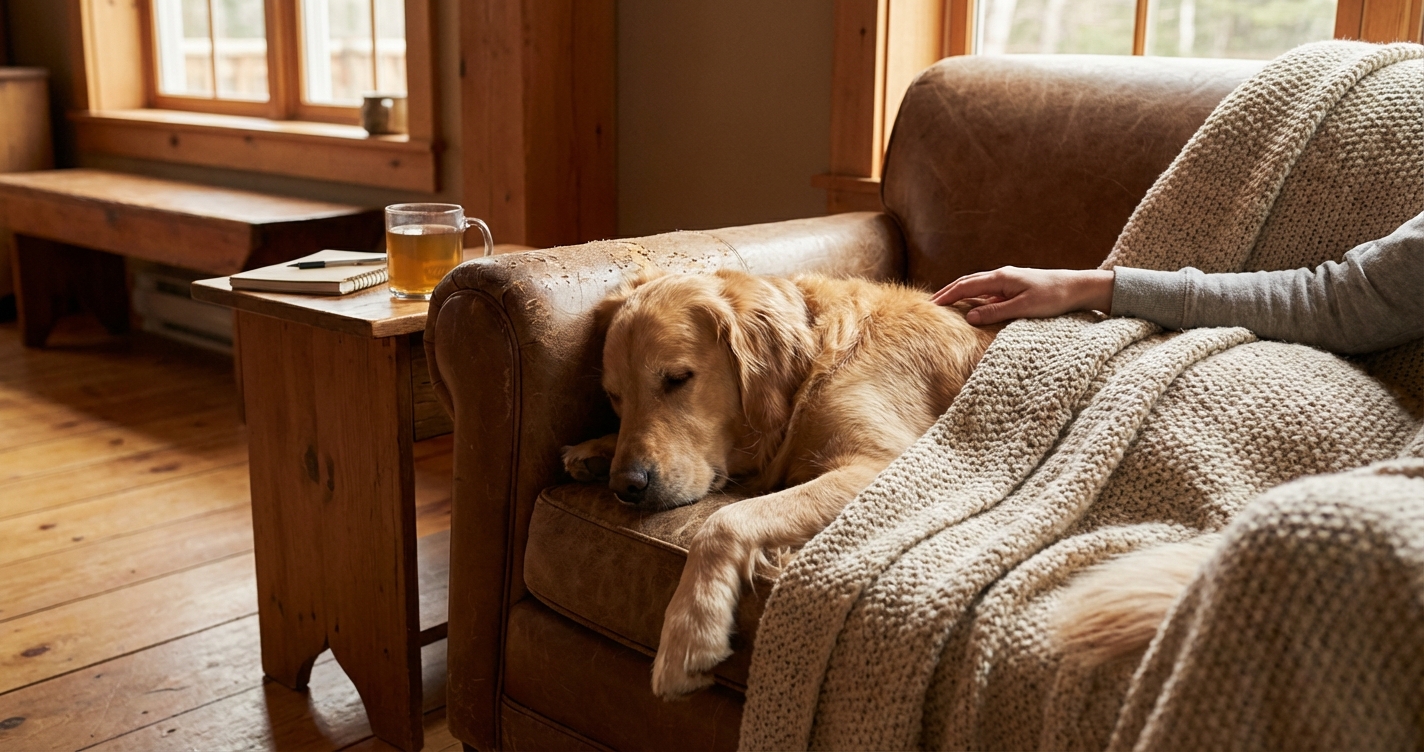
Trying to count breaths when your dog is bouncing around asking for a biscuit is a fool’s errand. The key is to do it when they are completely relaxed or, even better, fast asleep.
- Choose Your Moment: Wait until your dog is properly snoozing. Not just a light doze, but proper, deep sleep.
- Get Your Timer Ready: Use the stopwatch on your phone or a watch.
- Watch and Count: Watch their chest or side rise and fall. Count the number of breaths they take in 30 seconds.
- Do the Maths: Multiply that number by two. That’s their resting breaths per minute. For a more accurate reading, you can count for a full 60 seconds if they stay still long enough!
A Practical Pointer: If your dog is a fluffy beast like some I know, you might struggle to see their chest move. Try holding a small piece of tissue in front of their nose to watch it flutter or lightly rest your hand on their ribcage.
Panting vs. Proper Rapid Breathing: What’s the Difference?
It’s crucial to know the difference between panting (usually normal) and tachypnoea (the technical term for rapid breathing, which can be a worry).
- Panting: This is normal dog behaviour. It’s how they cool down. You’ll see an open mouth, often with their tongue out. The breathing can be fast but it’s what you’d expect after they’ve been charging about or if it’s a warm day.
- Tachypnoea (Rapid Breathing): This is different. The breathing is fast and shallow, but often with the mouth closed or only slightly open. It can look like they’re taking lots of little, quick breaths and seems more effortful than a standard pant. This is the one to watch, especially if it’s happening when they should be relaxed.
Common Reasons Your Dog is Breathing Fast (The Usual Suspects)
A dog’s breathing can speed up for all sorts of reasons. I find it helpful to group them into three mental buckets.
Everyday, Normal Stuff (Usually Harmless)
- Exercise: Just like us after a run, their body needs more oxygen. This is normal panting.
- Excitement or Happiness: Fern pants with excitement when she sees me get her lead out. It’s pure joy.
- Overheating: Dogs can’t sweat like we do. Panting is their primary way of cooling down on a hot day or after lying by the fire.
- Dreams: Ever seen your dog’s legs twitching and little puffs of air coming out while they sleep? They’re probably chasing squirrels in dreamland.
The ‘Hmm, Let’s Keep an Eye on This’ List
- Stress or Anxiety: A trip in the car, fireworks, or a visit to the vet can cause stress-induced rapid breathing.
- Pain: This is a big one. Pain isn’t always obvious, and heavy or rapid breathing can be one of the first signs that something hurts.
The ‘Right, Phone the Vet Now’ List
This is when rapid breathing is a potential symptom of an underlying medical issue that needs urgent attention.
- Heart Problems: Conditions like congestive heart failure can cause fluid to build up in the lungs, making breathing difficult.
- Respiratory Infections: Kennel cough, pneumonia, or other infections can inflame the airways.
- Anaemia: A low red blood cell count means less oxygen is being carried around the body, so the dog has to breathe faster to compensate.
- Heatstroke: This is a life-threatening emergency, not just simple overheating. It’s accompanied by drooling, confusion, and collapse.
- Fluid in the Lungs (Pulmonary Edema): Can be caused by various serious conditions.
- Asthma or Allergic Reactions.
- Cushing’s Disease.
- Laryngeal Paralysis: A condition affecting the voice box, often seen in older, larger breeds like Buster’s Labrador pals.
The Red Flag Checklist: When to Call the Vet Immediately
If you see rapid breathing alongside any of the following signs, stop what you’re doing and call your vet or the nearest emergency vet. Don’t wait.
-
Pale, Grey, or Blue-Tinged Gums: A healthy dog’s gums should be pink. Any other colour is a major red flag for an oxygen problem (cyanosis).
-
Obvious Distress: Flared nostrils, using their belly muscles to breathe (you’ll see the abdomen moving dramatically), or stretching their neck out to try and get more air.
-
Unusual Noises: Wheezing, crackling, or high-pitched sounds when they breathe.
-
Coughing or Gagging: Especially if they cough up frothy or bloody fluid.
-
Lethargy or Collapse: If your dog is too weak to stand or seems completely out of it.
-
A Resting Respiratory Rate Consistently Above 40 Breaths Per Minute.
What to Do While You’re Waiting for Help
Getting that vet appointment is the priority, but in the minutes while you wait or travel, your main job is to be a calming presence.
- Stay Calm: Your dog will pick up on your panic. Speak in a low, soothing voice.
- Ensure Cool Air: If it’s hot, move them to a cooler spot. Open windows in the car on the way to the vet.
- Minimise Stress: Keep other pets and children away. Don’t fuss over them too much.
- Don’t Force Food or Water: They have bigger things to worry about, and it could be a choking hazard.
- Prepare for the Vet: Grab a pen and jot down when the symptoms started, any other odd behaviours you’ve noticed, and their resting breathing rate if you managed to get it.
A Few More Ponderings (FAQs)
Why is my dog breathing fast while sleeping?
As we mentioned, it can often be due to dreaming! You’ll usually see other signs like twitching paws or little muffled barks. However, if it’s constant, very rapid, and they seem deeply asleep without any other dream signs, it’s worth measuring their rate and mentioning it to your vet.
Can anxiety cause fast breathing in dogs?
Absolutely. It’s a very common cause. If the rapid breathing only happens during specific, stressful events (like thunderstorms or car journeys) and resolves once the trigger is gone, anxiety is a likely culprit.
Watching your best mate struggling for breath is horrid, there’s no two ways about it. But knowing how to spot the difference between normal and not-so-normal gives you the power to act quickly. Keep an eye on them, trust your gut, and when in doubt, always, always give the vet a ring. They’d much rather have a call about nothing than miss a call about something serious.

Related Posts