The Case of the Constantly Empty Water Bowl
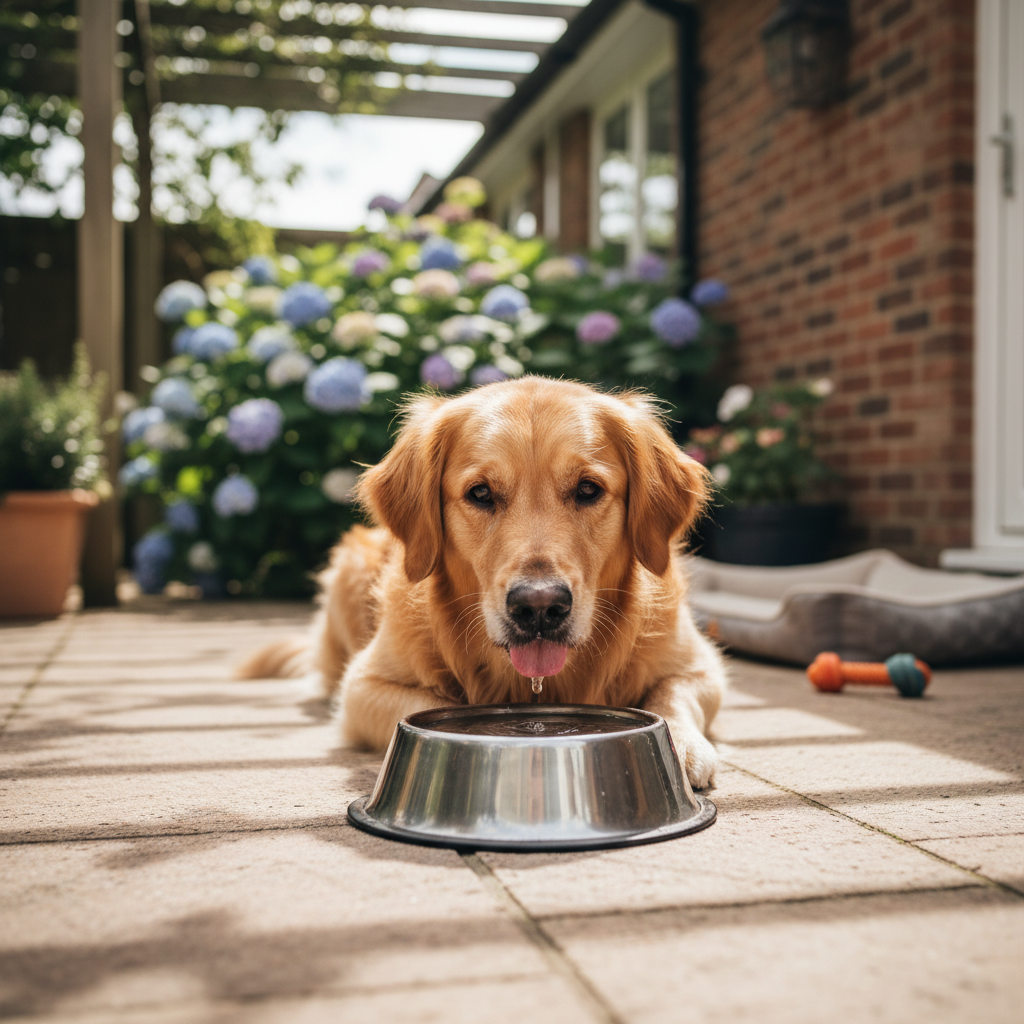
The other week, I was sat at my desk, tapping away, when I was disturbed by a familiar sound: the frantic lapping of water, followed by a theatrical, slobbery sigh. It was Buster, my food-obsessed Labrador, draining his water bowl for what felt like the fifth time that morning. Now, after a long yomp up Mam Tor, that’s standard procedure. But this was just a regular Tuesday. It got me thinking about that little niggle of worry we all get when we notice our dog’s habits have changed. Is he just thirsty, or is something else going on?
If you’ve found yourself staring at an empty bowl and a suspiciously thirsty dog, you’re in the right place. We’re going to have a practical, no-nonsense chat about why your dog might be drinking so much. Remember, I’m just a fellow dog owner sharing what I’ve learned – this is a job for a proper vet to diagnose, but being armed with good information is half the battle.
First, What’s a ‘Normal’ Amount of Water for a Dog?
Before we panic, let’s establish a baseline. The official term for excessive thirst is polydipsia, which often goes hand-in-hand with excessive urination (polyuria). But what’s ‘excessive’?
There’s a general rule of thumb used by vets, which is a good starting point for us owners.
A Quick Rule of Thumb: A dog typically drinks between 20-70ml of water per kilogram of their body weight each day. So, a 10kg dog like my energetic spaniel, Fern, might drink between 200ml and 700ml a day.
Of course, this is a rough guide. A dog on dry kibble will naturally drink more than a dog on wet food, which has a higher moisture content. The key isn’t hitting a precise number, but noticing a significant and sustained increase from your dog’s usual habit.
The Perfectly Harmless Reasons for a Thirsty Dog
More often than not, a bit of extra drinking is nothing to fret about. Life and the British weather throw a few things our way that can have your dog heading for the bowl more often.
- A Proper Run-around: Just like us after a long walk in the Peaks, dogs need to rehydrate after exercise. Fern the spaniel will put away a serious amount of water after a good session with her ball.
- A Rare Day of Sunshine: On those glorious hot days, dogs pant to cool down, losing moisture in the process. Expect them to drink more to compensate.
- A Change in Diet: Switching from wet food to dry biscuits (kibble) will instantly increase your dog’s thirst, as they’re no longer getting as much hydration from their meals.
- Certain Medications: Some medicines, particularly steroids like prednisone, are notorious for causing increased thirst and urination. This is a known side effect your vet will have likely mentioned.
When to Pick Up the Phone to the Vet: Key Signs to Watch For
Right, this is the important bit. If the water bowl is constantly empty and it’s not down to a heatwave or a big walk, it’s time to play detective. The excessive drinking itself is a clue, but it’s the company it keeps that tells you whether to worry.
Key takeaway: Increased thirst on its own is a reason to be observant. Increased thirst paired with other symptoms is a reason to act.
Look out for excessive drinking alongside any of the following:
- Changes in Appetite: Are they suddenly ravenous or have they gone off their food completely?
- Lethargy: Is your usually bouncy dog looking tired, listless, and uninterested in their favourite things?
- Weight Loss or Gain: Have you noticed them looking a bit thinner despite eating normally, or suddenly piling on the pounds?
- Tummy Troubles: Sickness (vomiting) or diarrhoea are definite red flags.
- Weeing in the House: An adult, house-trained dog suddenly having accidents is a classic sign that something’s amiss.
- A Change in Their Coat: Does their fur look dull, thin, or are they losing patches?
Potential Medical Reasons for Your Dog’s Thirst
If you’re ticking a few boxes on the list above, it’s best to get a professional opinion. There are several common health conditions where polydipsia is a primary symptom. Your vet is the only person who can figure out which, if any, is the culprit.
Kidney Disease
When a dog’s kidneys aren’t working properly, they can’t concentrate urine effectively. This means they lose more water when they wee, so they drink more to make up for it. It’s a vicious cycle.
Diabetes Mellitus
Just like in humans, diabetes in dogs involves high blood sugar. The body tries to get rid of this excess sugar by flushing it out through the urine, which pulls a lot of water with it, making the dog incredibly thirsty.
Cushing’s Disease
This condition, more common in older dogs, is caused by the body producing too much of the stress hormone, cortisol. The classic signs are a pot-belly, thinning skin, and a huge increase in both thirst and appetite.
Pyometra (An Emergency)
This is a critical one for owners of unspayed female dogs. Pyometra is a severe infection of the womb. Toxins from the infection can affect kidney function, leading to a massive increase in thirst. Other signs include lethargy, a poor appetite, and sometimes a discharge. It is a genuine veterinary emergency.
Liver Disease
The liver does a thousand and one jobs, and when it’s not functioning well, it can throw the body’s entire system, including fluid regulation, out of balance.
Urinary Tract Infections (UTIs)
Sometimes the issue is as simple as a UTI. The discomfort and inflammation can make a dog feel the need to wee more often, and consequently, they may drink more to keep up.
So, What Happens at the Vet’s Practice?
A trip to the vet can be stressful, but knowing what to expect helps. They won’t just guess what’s wrong. They’ll follow a logical process to get to the bottom of things.
You can expect them to:
- Ask Lots of Questions: When did it start? How much are they drinking? Any other symptoms? Your observations are vital.
- Perform a Full Physical Exam: A thorough check-over from nose to tail to look for any clues.
- Recommend Tests: To get a clear picture, they will almost certainly suggest running a couple of simple, non-invasive tests:
- Blood Tests: These are brilliant for checking organ function (kidneys, liver), hormone levels, and blood sugar to rule in or out things like diabetes and Cushing’s.
- A Urine Sample: This can quickly detect a UTI, check for sugar in the urine, and see how concentrated it is, which gives a big clue about kidney function.
A Final Word from the Pen-Pusher’s Desk
Seeing a change in your dog is worrying, but that constant lapping from the water bowl is their way of telling you something. Don’t ignore it. While it could easily be nothing more than a hot day, it could also be the first sign of a problem that’s much easier to manage if it’s caught early.
The internet is a fantastic place to get informed, but it’s a terrible place to get a diagnosis. Your local vet is your best friend in this situation. They have the knowledge, the tools, and the experience to give you a proper answer.
Right, after all that, I’m off to check the water bowls. Buster’s giving me ‘the look’ again.

Related Posts