Spotting the Difference: Normal Shedding vs. Worrying Hair Loss
The other day, I was giving the living room a much-needed sweep when I found a clump of fur under the sofa. Now, with Buster the Labrador in residence, our house is in a permanent state of what we lovingly call ‘canine glitter’. But this was different. It was a proper patch. My heart did that little lurch every dog owner knows.
It’s one thing to deal with the constant shedding from a happy, healthy dog; it’s another entirely to see their coat thinning or bald spots appearing. That’s when we move from normal moulting to a medical issue vets call alopecia.
So, what’s the difference?
- Shedding (Moulting): This is a natural, healthy process where old or damaged hair falls out to make way for new growth. It can be seasonal (hello, spring ‘coat explosion’!) but the coat remains full and protective.
- Alopecia (Hair Loss): This is when hair loss outpaces hair growth, leading to thinning fur, visible patches of skin, or complete baldness. It’s almost always a sign that something else is going on under the bonnet.
The Telltale Signs: Symptoms That Warrant a Closer Look
Hair loss is often the most obvious symptom, but it rarely shows up alone. Keep a sharp eye out for its troublesome mates. If you spot the hair loss alongside any of these, it’s a clear sign to get the vet on the phone.
- Constant Itching: Scratching, licking, or chewing at a specific area.
- Skin Changes: Redness, inflammation, rashes, or dark spots on the skin.
- Scabs or Sores: Open sores, crusty scabs, or pimple-like bumps.
- Dandruff or Flaky Skin: Unusual amounts of white or yellow flakes in the fur.
- An Unpleasant Odour: A yeasty or just plain manky smell coming from the skin.
- Behavioural Changes: Your dog seems more lethargic, irritable, or just not themselves.
The Usual Suspects: Common Causes of Canine Alopecia
Right then, let’s get down to the nitty-gritty. A dog losing its hair is usually a symptom, not the disease itself. Here are the most common culprits the vet will be considering.
Allergies: The Itchy Culprit
Just like us, dogs can be allergic to all sorts. This is one of the most frequent causes of hair loss. The constant scratching and licking to relieve the itch is what damages the hair follicles.
- Flea Allergy Dermatitis (FAD): The most common of the lot. Some dogs are allergic to flea saliva, and a single bite can cause an intense, whole-body reaction.
- Environmental Allergies (Atopy): Pollens, moulds, and dust mites can cause seasonal or year-round itching, often on the paws, face, and belly.
- Food Allergies: A reaction to an ingredient, usually a protein like chicken or beef, can cause skin issues and hair loss.
Uninvited Guests: Parasites
Anything that lives on your dog and shouldn’t be there can cause mayhem for their coat. These microscopic pests burrow and bite, causing intense irritation and damage.
- Mange (Mites): There are two main types. Sarcoptic mange (scabies) is intensely itchy and contagious. Demodectic mange is caused by a mite we all have, but it overruns the system in dogs with a weak immune system, causing bald patches, particularly around the eyes and on the legs.
- Ticks & Lice: While less common as a direct cause of widespread hair loss, heavy infestations can lead to irritation and secondary infections.
Skin Invaders: Infections
When the skin’s natural defences are down, bacteria and fungi can move in and set up shop. This often happens as a secondary problem after allergies or parasites have done the initial damage.
- Bacterial Infections (Pyoderma): Often look like pimples or crusty sores and can lead to circular patches of hair loss.
- Fungal Infections (Ringworm): Despite the name, it’s a fungus, not a worm. It typically causes circular, scaly bald patches. It’s also highly contagious to other pets and humans, so be careful.
Hormonal Havoc: Imbalances
Sometimes, the problem is internal. Your dog’s hormones regulate everything, including hair growth. When they’re out of whack, the coat is often the first thing to suffer. This type of hair loss is often symmetrical—appearing in the same pattern on both sides of the body.
- Hypothyroidism: An underactive thyroid gland is a common cause. It leads to a brittle, thinning coat, lethargy, and weight gain.
- Cushing’s Disease: This is when the body produces too much cortisol. Symptoms include hair loss, a pot-bellied appearance, and increased thirst and urination.
The Dinner Bowl Dilemma: Poor Nutrition
A dog’s coat is a direct reflection of their diet. If they aren’t getting the right balance of vitamins, minerals, and fatty acids, their coat will be one of the first things to show it. Look for a dull, dry, and brittle coat that thins over time.
Anxious Minds: Stress & Licking
A stressed or bored dog can develop compulsive behaviours, like licking the same spot over and over. This is known as a lick granuloma. The constant licking damages the hair and skin, creating a sore, bald patch, usually on their front legs.
It’s in the Genes: Genetic Predisposition
For some breeds, certain types of hair loss are simply written into their DNA. Bulldogs can be prone to certain skin fold issues, while Dobermans can get Colour Dilution Alopecia. It’s worth researching your dog’s breed to see if they are predisposed to any specific conditions.
Snoozing Spots: Pressure Sores
If your dog, particularly a large or elderly one, loves to nap on hard surfaces, they can develop thick, calloused, hairless patches on their pressure points, like elbows and hips. These are called pressure sores.
The Symptom Checker: A Quick Guide to What’s What
Here’s a simple table to help you piece things together. Remember, this is not a substitute for a proper diagnosis from a qualified vet!
| Symptom Pattern | Could Be… | Our Take (Time to Call the Vet?) |
|---|---|---|
| Intense itching, scratching, and hair loss, especially around the base of the tail. | Allergies (especially Flea Allergy Dermatitis) | Yes. Flea treatment is essential, but a vet can confirm and help with the skin flare-up. |
| Symmetrical hair loss on both sides of the body, with no itching. | Hormonal Imbalance (e.g., Hypothyroidism) | Definitely. This requires blood tests to diagnose and will need ongoing medication. |
| Circular, crusty, or scaly bald patches. | Fungal (Ringworm) or Bacterial Infection | Yes, and be cautious. Ringworm is contagious to you and other pets. The vet needs to confirm. |
| Bald patches around the eyes, mouth, and on the legs, especially in a young dog. | Demodectic Mange | Yes. A vet needs to do a skin scrape to find the mites and prescribe the right treatment. |
Right, Time to See the Vet: What to Expect
Googling symptoms can send you down a rabbit hole of worry. The best thing you can do is book an appointment with your vet. They’re the detectives who can figure out the real cause. Be ready to tell them everything: when it started, the food your dog eats, and their parasite prevention schedule.
A typical diagnostic process might involve:
- Physical Exam: A proper look at the hair loss pattern, skin condition, and your dog’s overall health.
- Skin Scraping: A gentle scrape of the skin surface to look for mites under a microscope.
- Fungal Culture: Taking a few hairs to see if ringworm grows in a special culture.
- Blood Tests: To check for underlying issues like hormonal imbalances or organ function.
- Allergy Testing: This could be a blood test or a special elimination diet to rule out food allergies.
The Road to a Fluffy Coat: An Overview of Treatments
The treatment plan will depend entirely on the cause. There’s no magic, one-size-fits-all solution. It could be as simple as changing food or as complex as long-term medication.
Common treatments include:
- Parasite Control: Effective, vet-approved flea, tick, and mite treatments.
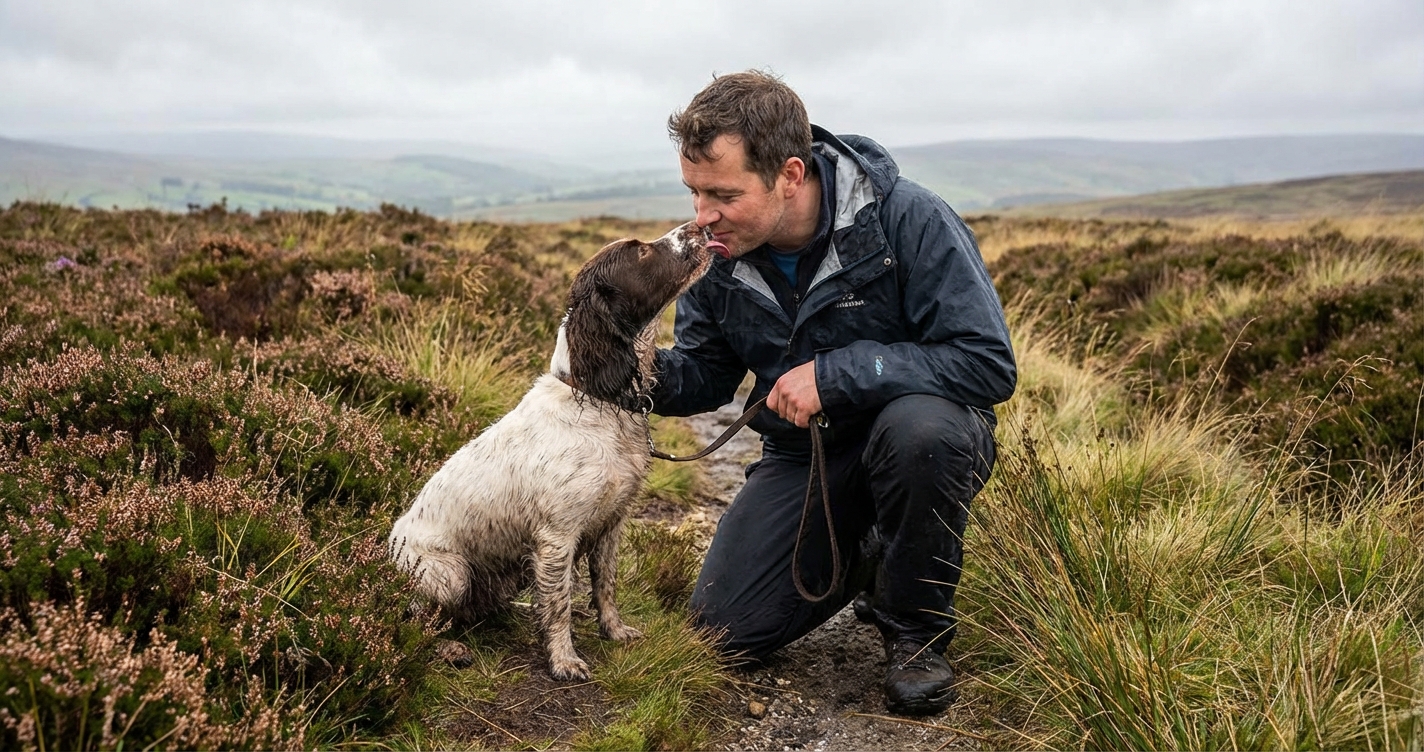
- Medicated Shampoos: These can be antibacterial or antifungal. The Mud Test: Be prepared for a challenge. Getting a dog like our high-energy Spaniel, Fern, to stand lathered up for 10 minutes feels like an Olympic sport, but it’s crucial for the treatment to work!
- Dietary Changes: Switching to a hypoallergenic diet or one rich in omega fatty acids.
- Medication: This could include antibiotics for infections, steroids for allergies, or hormone replacements.
An Ounce of Prevention: Keeping Your Dog’s Coat in Top Nick
While you can’t prevent everything, you can lay the groundwork for a healthy coat.
- Feed a High-Quality Diet: Good health starts from the inside.
- Stay on Top of Parasite Prevention: All year round, no excuses!
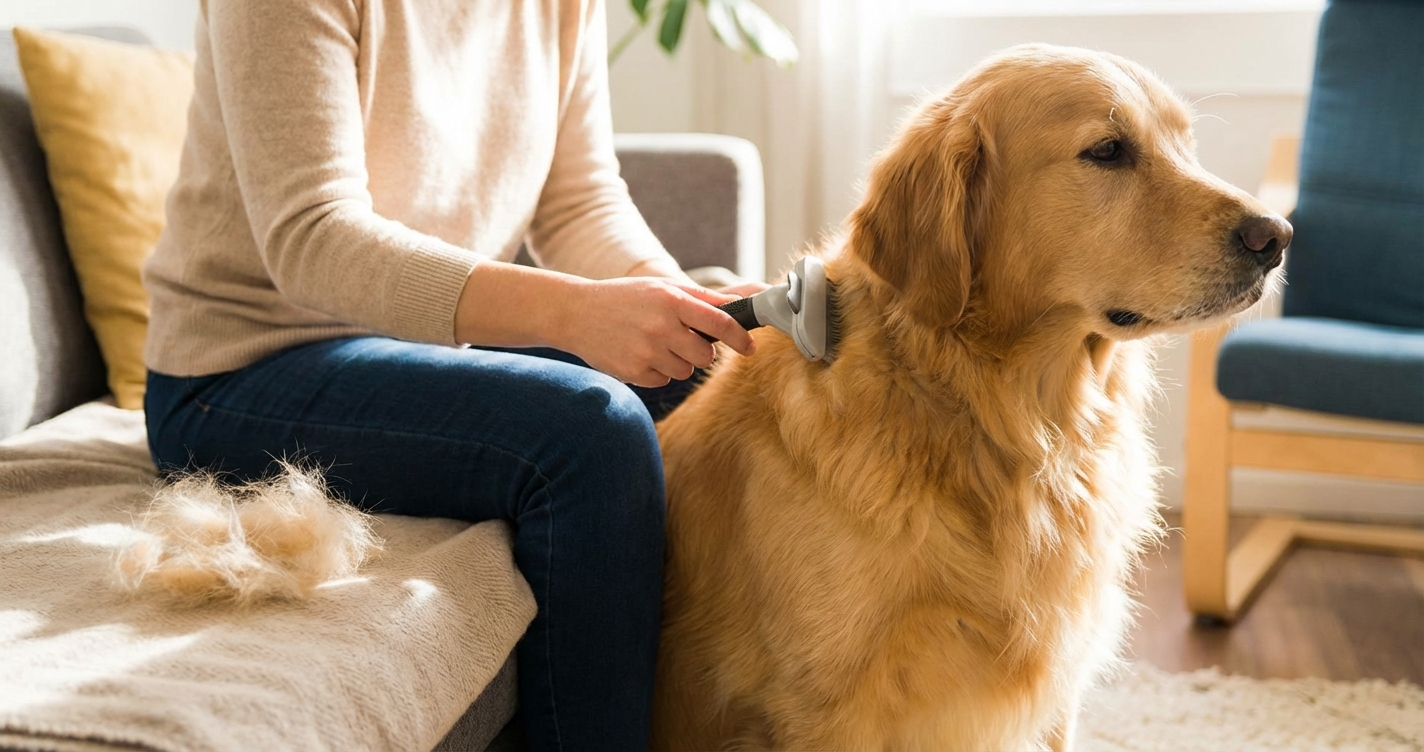
- Regular Grooming: Brushing removes dead hair and lets you check the skin for any early signs of trouble.
- Reduce Stress: Plenty of exercise and mental stimulation keeps a dog happy and less likely to develop stress-related habits.
Seeing your best mate losing their fur is properly worrying, there’s no two ways about it. But take a deep breath. Most causes of hair loss in dogs are common and, with a proper diagnosis from your vet, completely treatable. So, don’t panic, pick up the phone, and you’ll be on the path to a full, fluffy coat again before you know it.

Related Posts