A Full Water Bowl: When Does ‘Thirsty’ Become ‘Worrisome’?
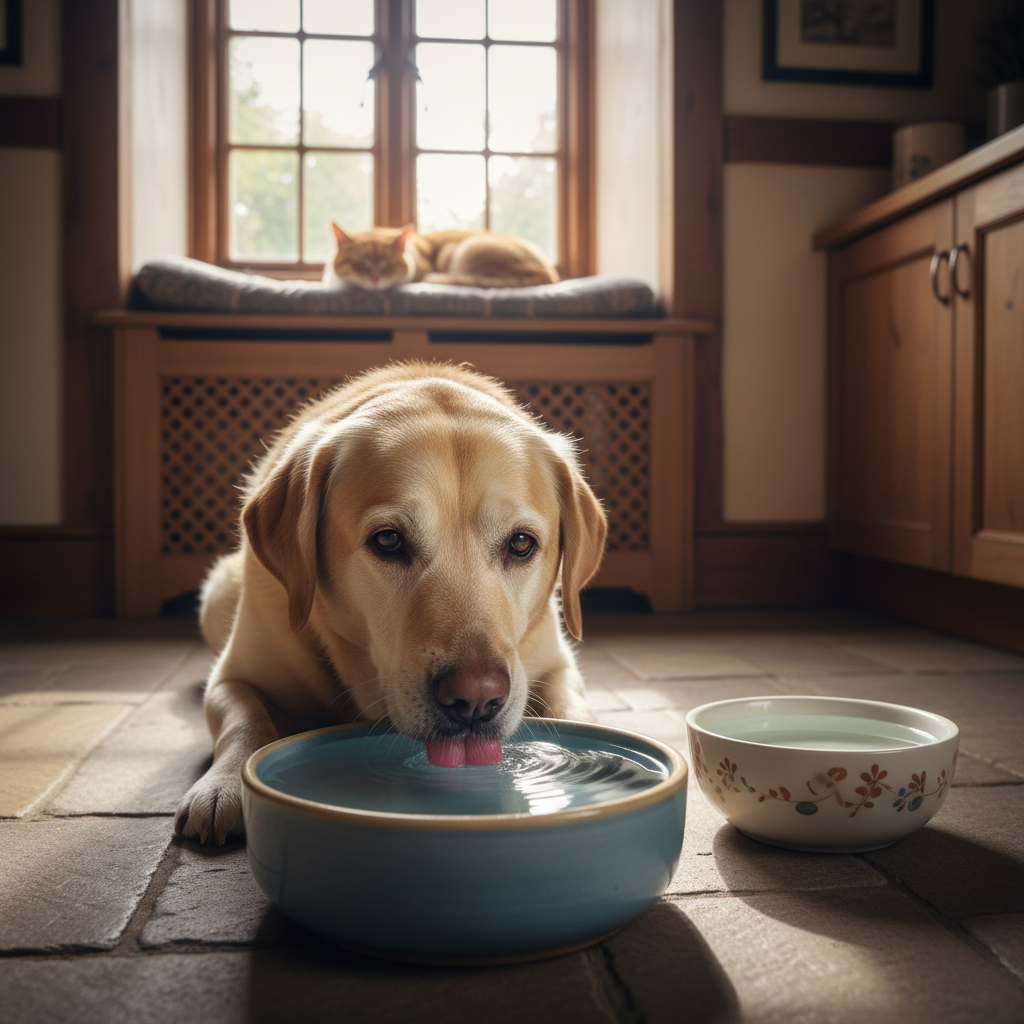
The other morning, I was filling the kettle when I noticed the dog’s water bowl was bone dry. Again. Now, my food-obsessed Lab, Buster, could probably win a gold medal in competitive drinking, but this felt different. It was the third time I’d filled it since yesterday evening. When you share your life with a grey-muzzled companion, any little change can set your mind racing, can’t it?
An empty water bowl is usually a good thing, but when it’s emptying at a rate of knots, it’s worth paying attention. Vets have a proper term for this excessive thirst: polydipsia. But what’s normal and what’s not?
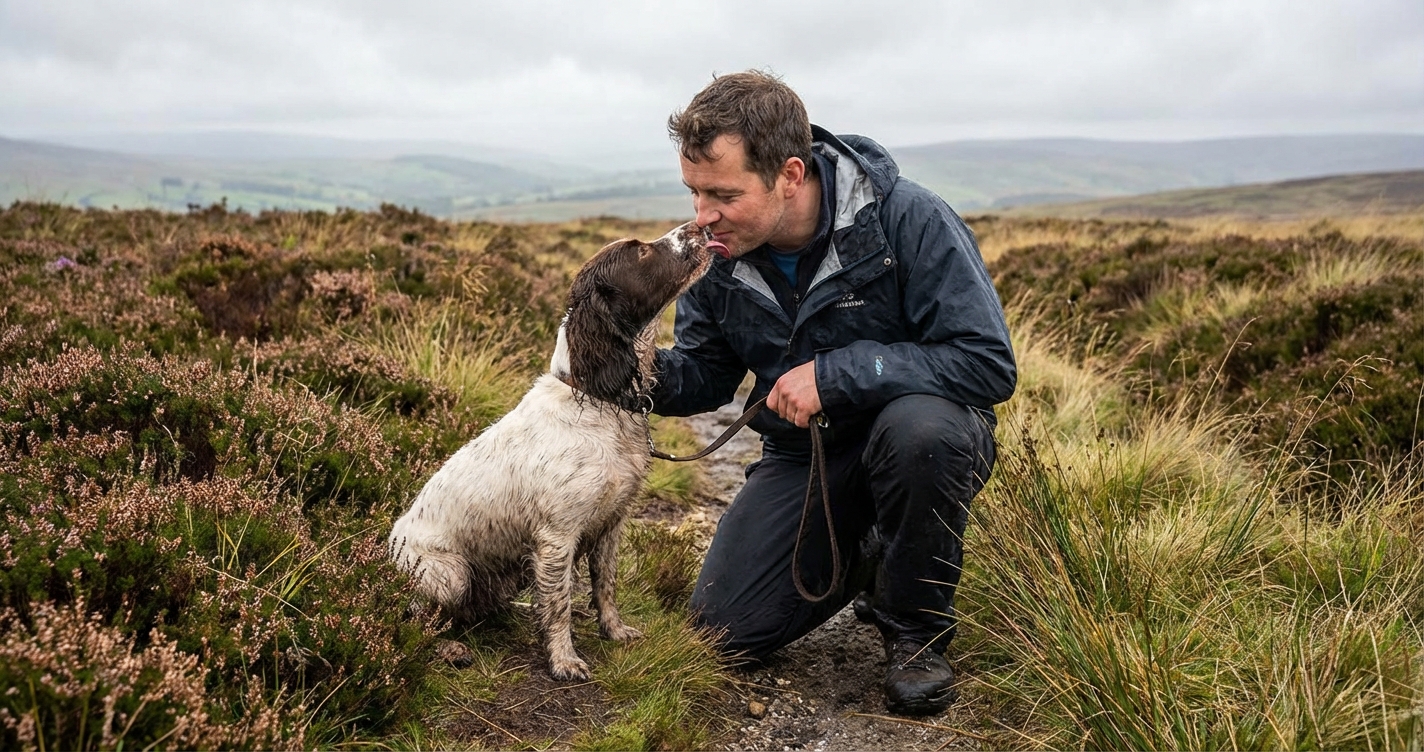
- A good rule of thumb: Most dogs need about 50-60 millilitres of water per kilogram of body weight each day. So, for a 20kg dog like my energetic Spaniel, Fern, that’s around 1 to 1.2 litres.
- But remember: This can change depending on the weather, how much they’ve been bouncing around the fells, or if they’re eating dry kibble versus wet food.
The key takeaway is this: If you’ve noticed a sudden and sustained increase in your dog’s drinking habits that you can’t explain by heat or exercise, it’s time to pop your detective hat on and give the vet a ring.
Getting to the Bottom of It: Common Reasons for Increased Thirst in Senior Dogs
Right, let’s get down to brass tacks. While it could be something simple, increased thirst in an older dog is often one of the first clues that something else is going on under the bonnet. I’m no vet, but my job here is to help you understand the possibilities so you’re prepared for that important chat with the professional.
Chronic Kidney Disease
This is a big one for senior dogs. As the kidneys get a bit older and worn, they struggle to do their job of filtering waste and concentrating urine. This means your dog loses more water when they have a wee, which makes them dehydrated and triggers the brain to say, “Go drink! Now!” It becomes a bit of a cycle.
Diabetes Mellitus
Just like in people, dogs can get diabetes. Their body either doesn’t produce enough insulin or can’t use it properly. This leads to high levels of sugar in the blood. The body’s natural reaction is to try and flush this excess sugar out through the urine, taking a lot of water with it. This intense fluid loss makes them incredibly thirsty.
Cushing’s Disease (Hyperadrenocorticism)
This condition is caused by the body producing too much of the stress hormone, cortisol. Among its many jobs, cortisol affects water balance. Too much of it interferes with a hormone that helps the kidneys retain water, so more fluid is lost in the urine, and your dog drinks more to compensate.
Urinary Tract Infections (UTIs)
A nasty UTI can cause inflammation and discomfort, making a dog feel the need to wee more often. This can sometimes lead them to drink more to keep their bladder feeling ‘full’ or simply because the process of frequent urination is causing them to lose more fluid.
Liver Disease
The liver does a thousand and one jobs, and when it’s not working properly, it can throw the body’s entire system out of whack, sometimes leading to increased thirst.
Pyometra
This is a critical one for unspayed female dogs. Pyometra is a serious infection of the womb. The toxins produced by the infection can badly affect the kidneys’ ability to hold onto water, causing a dramatic increase in thirst. If you have an unspayed older female dog showing this symptom, it’s a genuine emergency.
What Else Could It Be? Other Potential Causes
While the conditions above are the usual suspects, there are other possibilities:
- Medication side effects: Drugs like steroids (prednisone, for example) are notorious for causing increased thirst and urination.
- Simple dehydration: Don’t forget the obvious! A long walk on a warm day or a bout of sickness and diarrhoea can leave them needing to top up.
- A change in diet: Switching to a saltier food or more dry biscuits can naturally make a dog drink more.
- Behavioural issues: This is much less common, but sometimes dogs can drink excessively out of boredom or stress. It’s usually the last port of call after all medical causes have been ruled out.
The Telltale Signs: A Symptom Checker for Concerned Owners
Increased thirst is often just one piece of the puzzle. Here’s a quick-glance table to help you spot other signs that might be travelling with it. Remember, this is just a guide to help you gather information for your vet.
| Potential Condition | Other Key Symptoms to Watch For |
|---|---|
| Kidney Disease | Increased urination (sometimes accidents in the house), poor appetite, weight loss, lethargy, vomiting. |
| Diabetes Mellitus | Increased urination, weight loss despite a ravenous appetite, cloudy eyes (cataracts), lethargy. |
| Cushing’s Disease | Pot-belly appearance, hair loss, skin thinning, panting more, increased appetite, lethargy. |
| UTI | Straining to wee, weeing in small amounts frequently, blood in urine, licking their back end more. |
| Pyometra (Emergency) | Lethargy, poor appetite, pus-like discharge from the vulva (though not always!), vomiting, a swollen abdomen. |
Right, Time to Ring the Vet: Your Action Plan
If you’ve read this far and are still worried, that’s your cue. Do not wait and see. An unusual increase in thirst is your dog’s way of waving a big red flag. Your vet is the only person who can figure out what’s really going on and get your friend the help they need.
What to Tell Your Vet
The more information you can provide, the better. Before you go, try to jot down notes on:
- How much they’re drinking: Try measuring the water you put in the bowl for a 24-hour period. It feels a bit silly, but the data is invaluable.
- Urination changes: Are they asking to go out more? Having accidents? Is the volume of wee different?
- Appetite and weight: Are they eating more or less? Have they lost or gained weight?
- Energy levels: Are they more tired than usual? Less keen on their walks?
- Any other symptoms: Mention anything else you’ve noticed, no matter how small.
Questions to Ask Your Vet
Feeling prepared can make a stressful visit a little easier. Consider having these questions ready:
- Based on the symptoms, what are the most likely possibilities?
- What diagnostic tests do you recommend we start with (e.g., blood tests, urine sample)?
- What will those tests tell us?
- Once we have a diagnosis, what are the next steps for treatment and management?
While You Wait: Practical Support at Home
While you’re waiting for your vet appointment, there are a few simple, practical things you can do. Please remember, these are for comfort and monitoring only—they are absolutely not a substitute for professional medical care.
- Never restrict water access. Your dog is drinking a lot because their body needs it. Taking their water away could lead to dangerous dehydration, especially if an underlying condition is at play. The only exception is if your vet explicitly tells you to.
- Keep the bowl topped up with fresh, clean water. Make it easy for them. Maybe even add a second water station in the house.
- Make toilet breaks easy and frequent. If they need to go out more, they need to go out more. A bit of patience now goes a long way.
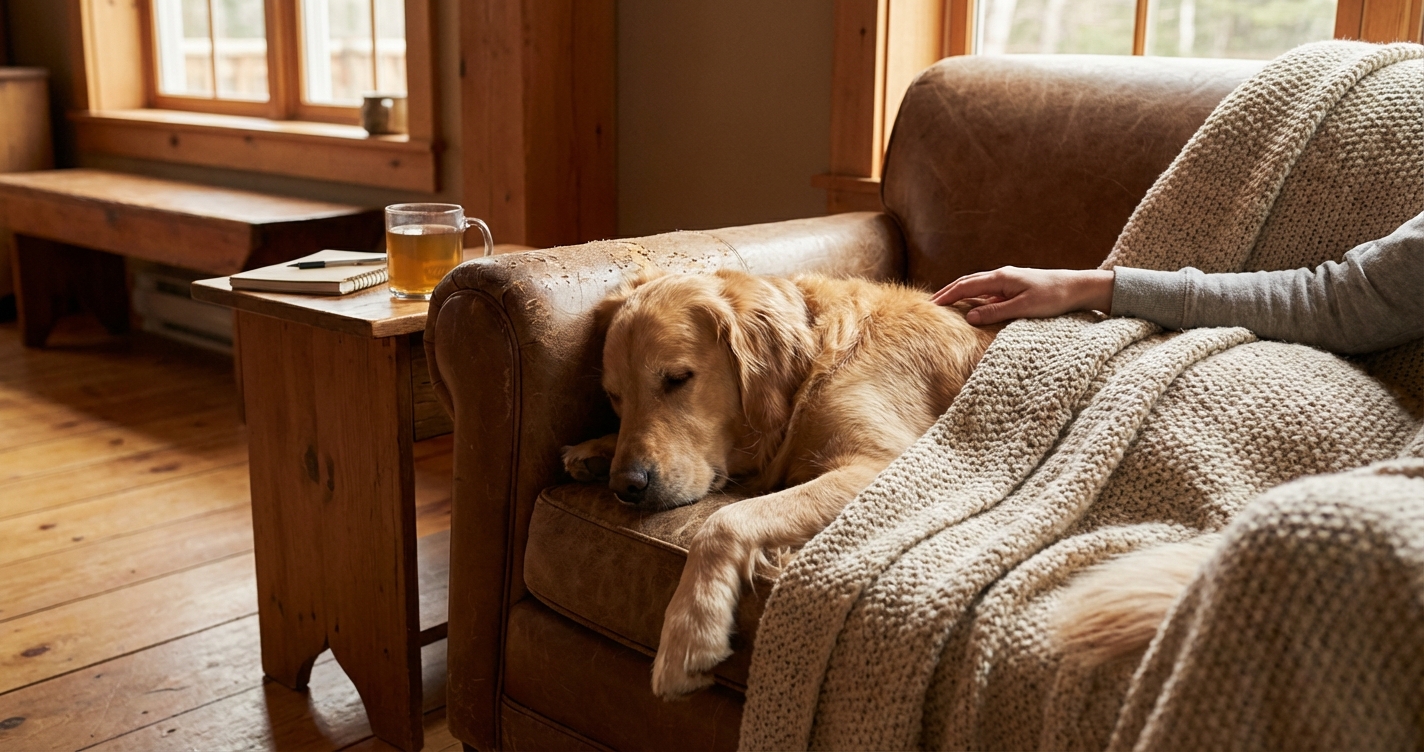
Seeing your old friend change can be unsettling, but noticing these signs is the first, most important step. You know your dog better than anyone. By gathering your thoughts and getting them to the vet promptly, you’re doing the absolute best thing for them. And for now, I’m off to top up Buster’s bowl—and give Margo, the cat, a tickle. She’s the one who truly runs this house from her throne on the radiator, anyway.

Related Posts