The Great Dinner Snub: A Worrying Silence
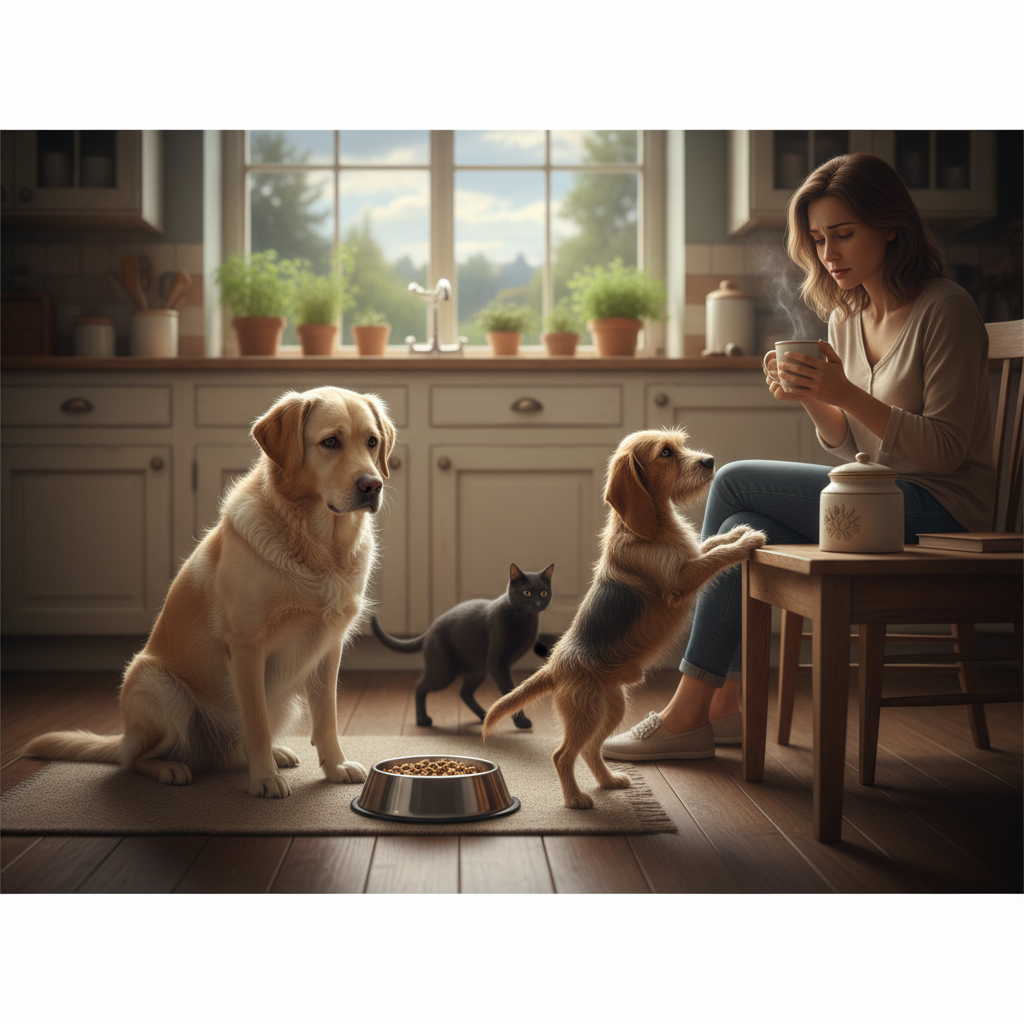
The silence was the first clue. Usually, at 5 PM on the dot, I’m navigating an obstacle course made of a frantic Labrador, a tap-dancing Spaniel, and a cat who’s decided my leg is a convenient climbing frame. Dinner time is a big deal in our house. But last Tuesday, nothing. I found Buster, my food-obsessed Lab, staring at his full bowl with the sort of disdain he usually reserves for a bath. He looked at me, looked at the bowl, then pointedly nudged the biscuit tin with his nose. My heart did a little lurch. When a dog who considers ‘dropped crumb’ a core food group turns down his dinner but still wants treats, it’s enough to send any owner into a proper spin. It feels personal, doesn’t it? But before you panic, let’s have a brew and a chat about what’s really going on.
First Things First: A Quick Triage
Before we delve into the psychology of a picky pup, it’s vital to rule out anything serious. Think of this as a quick checklist to decide your next move. Is this a case of a four-legged master manipulator, or is there something more pressing afoot?
- Are there other symptoms? Look for lethargy (more than just post-walk tiredness), vomiting, diarrhoea, excessive drooling, or any visible signs of pain like yelping or difficulty lying down.
- How long has this been happening? A single missed meal, especially in hot weather, isn’t usually a crisis. A dog refusing food for more than 24 hours is a clear signal to seek professional advice.
- Is their drinking and toilet behaviour normal? A dog refusing food but still drinking water and going to the toilet as usual is less immediately alarming than one refusing both.
The Bottom Line: If you’ve answered ‘yes’ to any significant symptoms like vomiting, lethargy, or if the food refusal lasts longer than a day, your first and only port of call should be your vet. Don’t pass go, don’t consult the internet further, just ring them. For everyone else whose dog seems perfectly fine otherwise, let’s explore the common culprits.
The Psychology of a Picky Eater: When It’s (Mostly) in Their Head
If the vet has been ruled out, you’re most likely dealing with a behavioural issue. Dogs are clever creatures, and they learn very quickly what works.
Learned Behaviour: Holding Out for Something Better
This is the most common reason. Your dog snubs their kibble. You worry. You offer them a tasty biscuit or a bit of chicken to check if they’re ‘really’ ill. They gobble it down. What have they just learned? That refusing the boring stuff brings out the five-star menu. Treats and human food are intensely flavourful and smell amazing compared to their regular dry food. It’s like being offered a plain cracker or a slice of cake – most of us would wait for the cake.
- Tidbit: This is a form of selective eating known as partial anorexia. They have an appetite, but only for the high-value items.
Stress and Environmental Changes
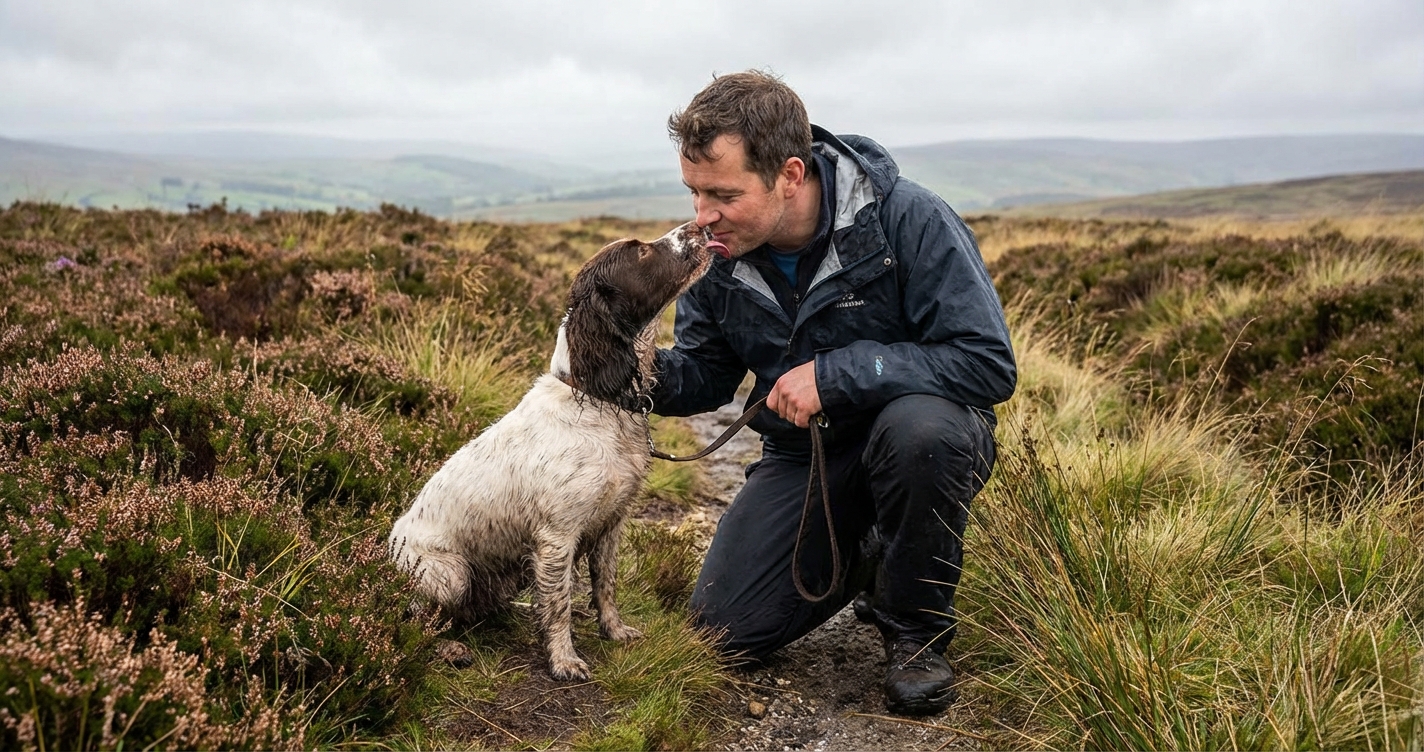
My energetic Spaniel, Fern, is a sensitive soul. A thunderstorm, a new dog moving in next door, or even just us rearranging the furniture can put her off her food. A dog’s appetite is often linked to their sense of security.
Consider if anything has changed recently:
- A new home or changes in your routine
- A new pet or person in the house
- Loud noises like fireworks or construction work
- Tension or stress within the family
Food Fatigue or a Dodgy Batch
Would you want to eat the same dry cereal every day for years? Some dogs simply get bored. It’s also worth checking the food itself. Has the bag been open too long? Dry food can go stale, and the oils in it can become rancid, giving it a funny smell or taste that we might not notice, but their super-sensitive noses certainly will.
Potential Medical Reasons for a Selective Appetite
Again, I’m no vet, but it’s useful to be aware of the physical issues that can cause a dog to refuse their main meal while still managing a soft treat. It often comes down to pain or nausea.
Dental Problems
This is a big one. Chewing hard kibble can be excruciating with a sore tooth, a cracked molar, or inflamed gums. A softer, more palatable treat requires less effort and might be manageable, while the main meal is just too painful. Dropping food, drooling more than usual, or shying away when you touch their face are all red flags for dental issues.
Gastrointestinal Upset
If your dog is feeling a bit nauseous, they’re likely to refuse a full bowl of food. However, the allure of a very tasty treat might be enough to override that feeling temporarily. It doesn’t mean the underlying issue—be it a mild tummy bug or something more serious—has gone away.
Underlying Illness or Medication
A decreased appetite can be the first sign of many underlying health conditions. Similarly, if your dog has recently started a new medication, loss of appetite can be a side effect. In these cases, the willingness to eat a treat is a poor indicator of their overall health.
Actionable Solutions: How to Win the Dinner Time Battle
Right, you’ve done your triage and you’re pretty sure you’re dealing with a fussy fusspot rather than a medical emergency. Here are some practical steps to get things back on track.
1. Cut Back on the Biscuits
This is the ‘tough love’ bit. For a few days, drastically reduce or completely stop giving treats. This removes the option of ‘holding out for something better’. Their survival instinct will kick in, and a healthy dog will not starve itself. Ensure all members of the family are on board with this – no secret snacks from the soft touch in the house!
2. Make Their Food More Appealing
You don’t need to buy expensive new food. Try making their existing kibble more interesting:
- Add a splash of warm water or bone broth: This releases the aromas and softens the food, making it much more enticing.
- Mix in a small spoonful of wet dog food: Just a little bit can be enough to coat the kibble and add a new layer of flavour.
- A tiny bit of a safe ‘human food’ topper: Think plain boiled chicken or a few mashed carrots. Use this sparingly as a temporary measure.
3. Stick to a Strict Schedule
Put the food down for 15-20 minutes. If it’s not eaten, calmly take it away. Don’t leave it out all day (a practice known as free-feeding). Offer it again at their next scheduled mealtime. This teaches them that there are specific opportunities to eat, and they need to take them. This mimics the ‘feast and famine’ rhythm that dogs are naturally accustomed to.
4. Check the Dining Environment
Is the bowl in a busy hallway? Is another pet bothering them while they eat? For some dogs, especially rescues, a quiet, safe space is essential. Ensure the bowl is clean, and perhaps try a different type—some dogs dislike the noise a metal bowl makes or the way their tags clink against it.
When to Ring the Vet: A Clear Checklist
To summarise, let’s be crystal clear. Pick up the phone to your vet if your dog:
- Has refused all food (not just their main meal) for more than 24 hours.
- Is showing other signs of illness: Vomiting, diarrhoea, extreme tiredness, or signs of pain.
- Has stopped drinking water as well as eating.
- Is a very young puppy, an elderly dog, or has a pre-existing health condition. These dogs have fewer reserves and can get into trouble much faster.
A Final Thought From the Trail
Seeing a full food bowl at the end of the day is unsettling, there’s no doubt about it. But more often than not, it’s a simple case of our clever companions training us, rather than the other way around. By calmly ruling out medical issues first, you can then tackle the behaviour with a bit of patience and consistency. Before you know it, you’ll hear that familiar, happy crunching sound filling the kitchen once more. Now, if you’ll excuse me, I think Buster’s just remembered he’s a Labrador and there’s a dinner that needs demolishing.

Related Posts