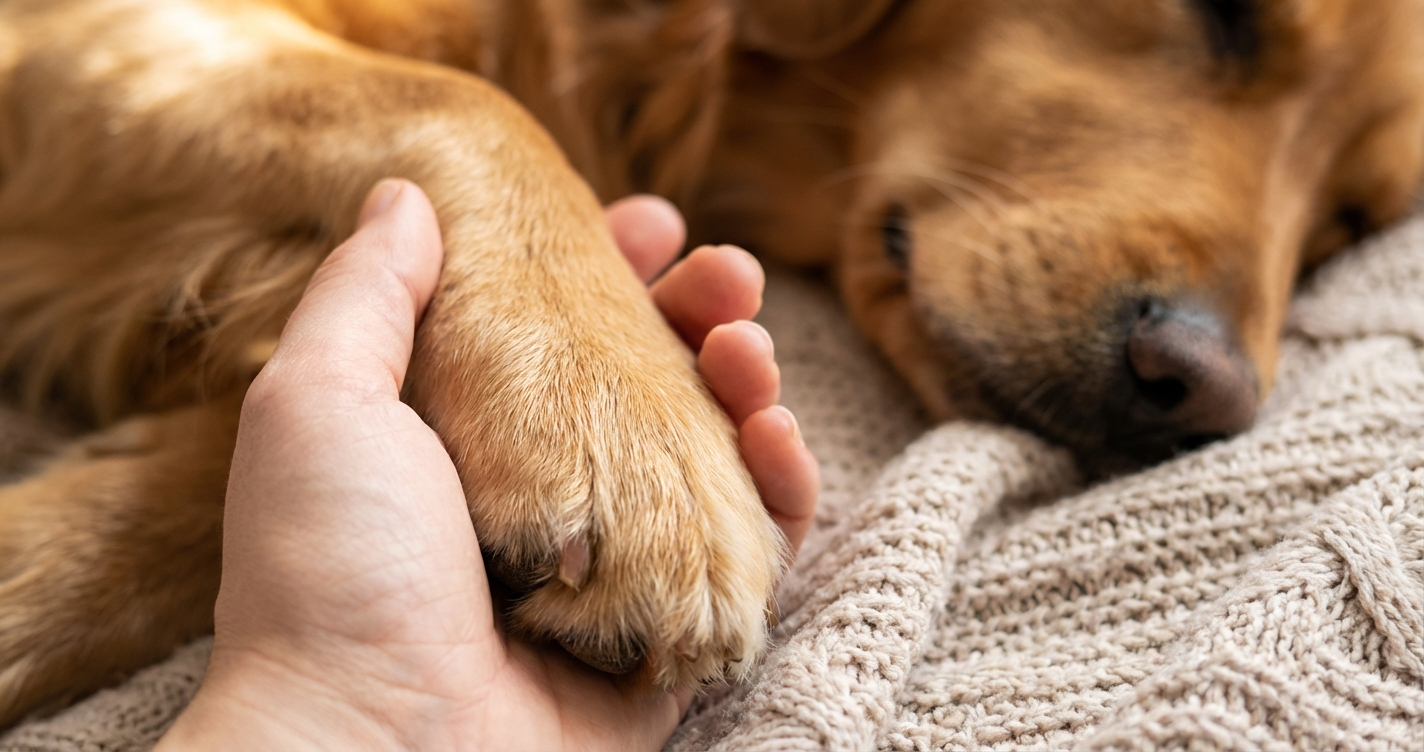
The Telltale Sound: Why Is My Dog Suddenly Obsessed with Licking Their Paws?
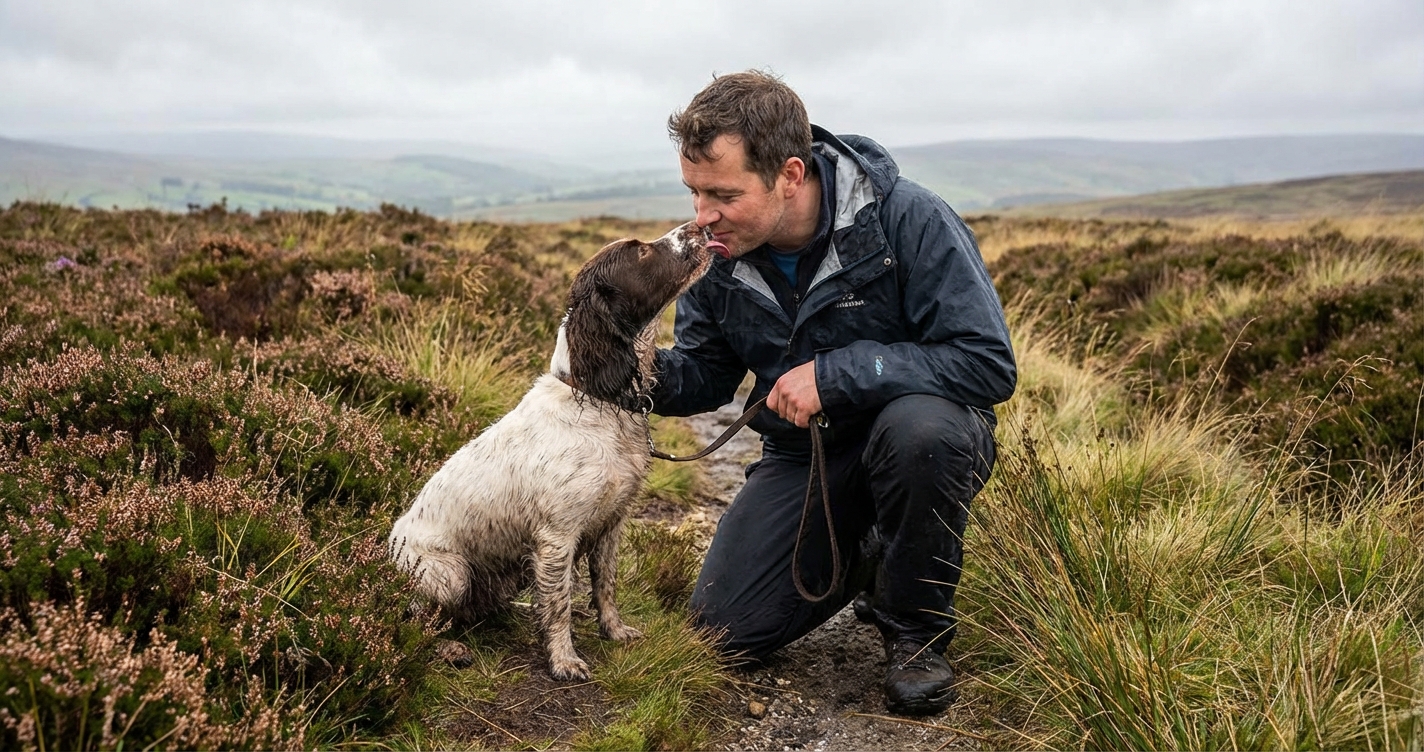
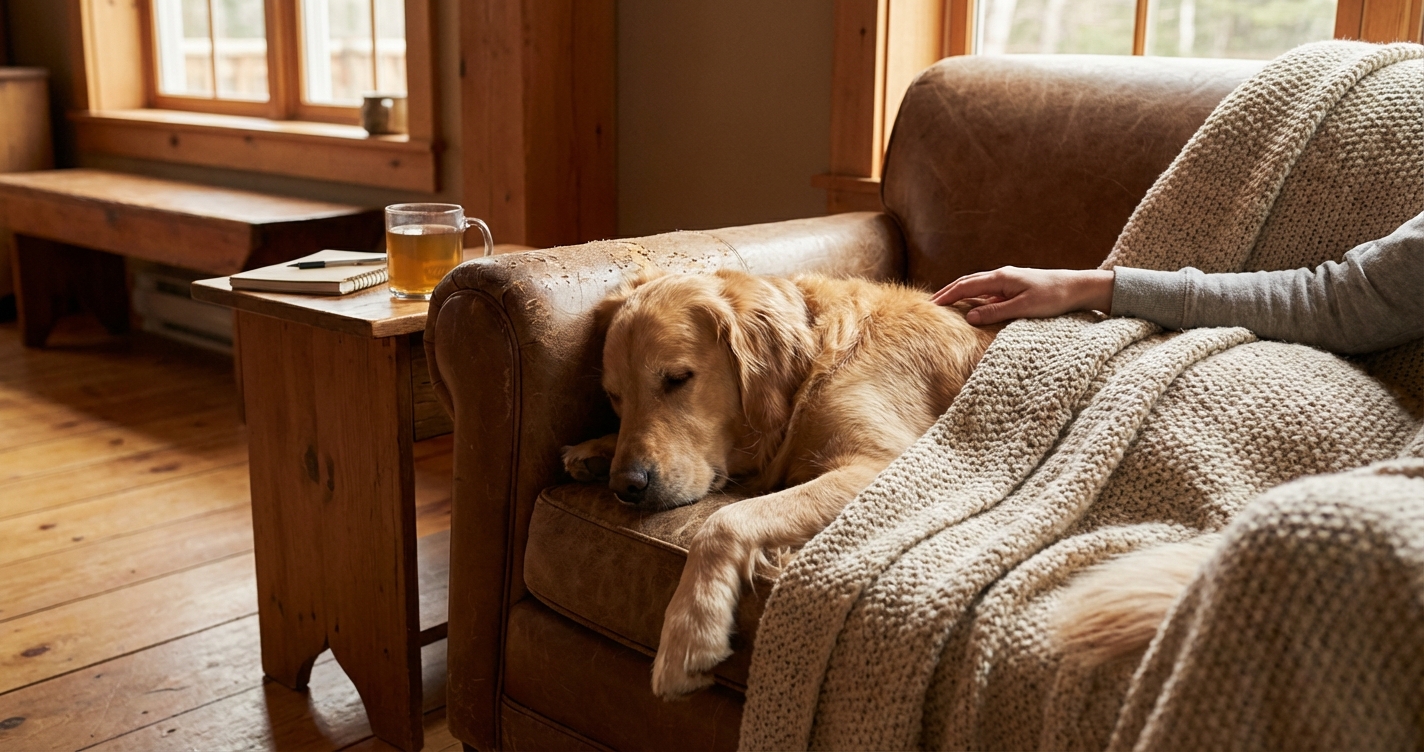
It’s ten o’clock at night. The house is quiet, the telly’s off, and all you can hear is a faint, rhythmic sound from the dog bed. Slurp, slurp, slurp. It’s a noise every dog owner knows. My Spaniel, Fern, often gives her paws a quick once-over after a particularly muddy splash through the heather, and that’s just normal grooming. But when the licking becomes relentless, when it’s less of a quick clean and more of a full-blown obsession, it’s usually a sign that something’s amiss.
If you’re finding your dog’s paws are looking red, sore, or you’re simply fed up with the constant noise, it’s time to play detective. This isn’t just a quirky habit; it’s your dog’s way of telling you something is wrong. The tricky part is figuring out what that “something” is.
Playing Detective: The Common Culprits Behind Paw Licking
Getting to the root of the problem is key. Most of the time, excessive paw licking falls into one of a few categories. Let’s break down the usual suspects.
The Itch You Can’t Scratch: Allergies
Just like us, dogs can suffer from allergies, and itchy paws are a classic symptom. It’s one of the most common reasons for constant licking and chewing.
- Environmental Allergies: Think pollen, grasses, dust mites, and moulds. This is often seasonal, getting worse at certain times of the year.
- Food Allergies: Sometimes the problem is in their dinner bowl. Common culprits can be proteins like chicken or beef, or grains. My Lab, Buster, had a spell of itchy ears and paws that only cleared up when we figured out his food intolerance.
- Contact Dermatitis: This is an reaction to something their paws have physically touched, like floor cleaners, road grit, or lawn chemicals.
Uninvited Guests: Parasites and Infections
A small problem can quickly become a big one if it involves tiny critters or a resulting infection. The constant moisture from licking creates a perfect breeding ground for nasties.
- Parasites: Fleas, mites (like harvest mites), and ticks can all cause intense irritation that leads to licking.
- Bacterial or Yeast Infections: Often a secondary issue. All that licking makes the skin damp and broken, allowing bacteria or yeast to take hold. A telltale sign is often a musty, ‘Frito-like’ smell from the paws, along with redness and sometimes a greasy discharge.
Pain and Discomfort
Sometimes, the licking isn’t about an itch at all, but a direct response to pain.
- Injury or Foreign Body: A thorn, a shard of glass, a broken claw, or even a little burn from hot pavement can be the cause.
- Underlying Pain: In older dogs especially, conditions like arthritis can cause referred pain. They might not be able to reach their sore hip, so they lick a paw as a coping mechanism.
A Case of Boredom or a Worried Mind
Never underestimate the psychological side of things. Licking can be a self-soothing behaviour, much like a person biting their nails.
- Boredom: A dog without enough mental or physical stimulation may start licking their paws simply to have something to do.
- Anxiety: Separation anxiety, a new baby in the house, or even loud noises like fireworks can trigger compulsive behaviours, including licking.
What to Do When the Licking Won’t Stop: A Practical Plan
Right, so we know the potential causes. What can you actually do about it? Here’s a straightforward, practical approach.
Step 1: The Once-Over.
In good light, have a gentle but thorough look at your dog’s paw. Check the top, the bottom, and in between the toes and pads. You’re looking for anything obvious: cuts, swelling, redness, thorns, or any little lumps and bumps.
Step 2: A Little First Aid at Home.
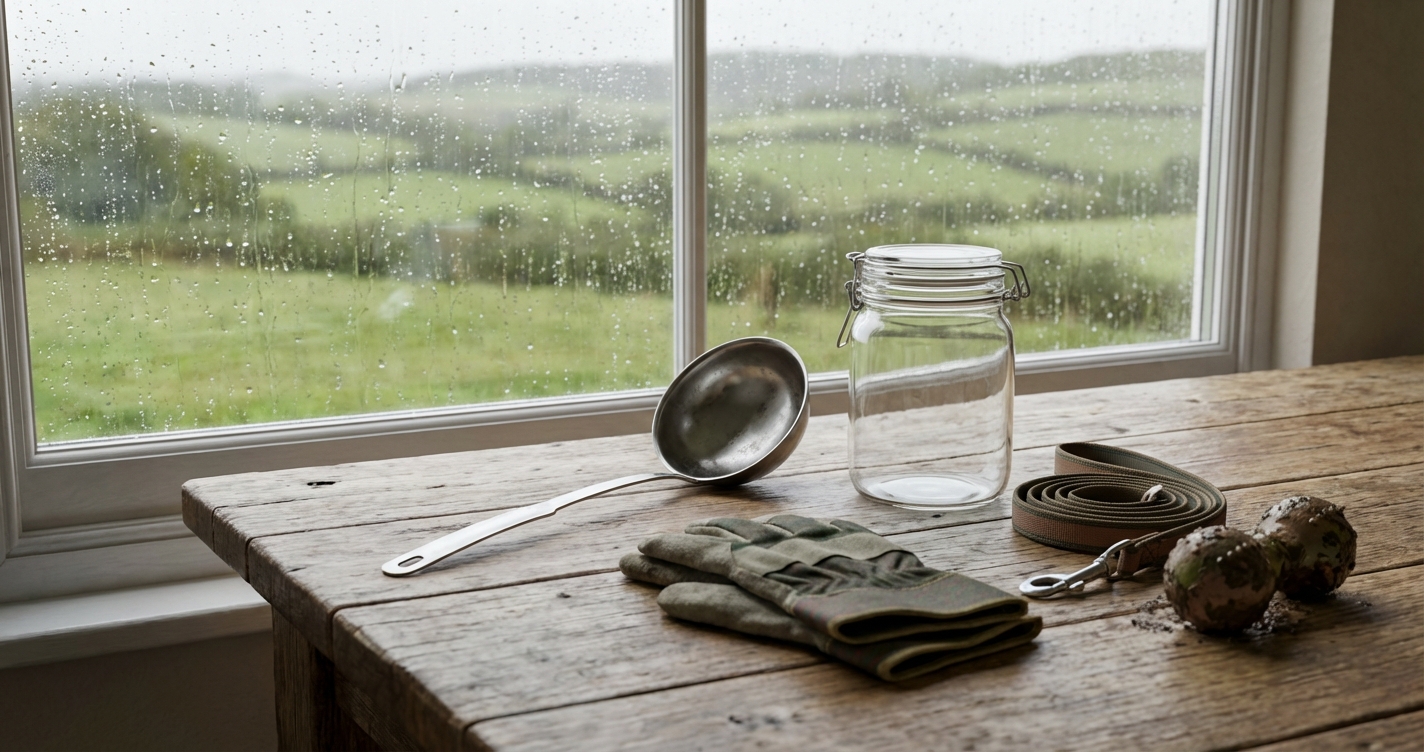
If the paw just looks a bit grubby or irritated after a walk, a simple clean can help. A shallow bowl of warm water with a dash of dog-friendly antiseptic wash (or even just plain water) can rinse away potential allergens like pollen. Always pat the paw completely dry afterwards.
Step 3: When to Ring the Vet.
I’m not a vet, and a proper diagnosis is crucial. You should always seek professional advice, but especially if you spot any of these red flags:
- Limping or reluctance to put weight on the paw.
- A nasty smell or discharge coming from the area.
- Open sores, bleeding, or significant swelling.
- The licking is frantic and your dog seems distressed.
- The behaviour continues for more than a day or two without improvement.
Keeping Paws in Peak Condition: Prevention Tips
Once you’ve got the issue sorted, a few simple habits can help prevent a recurrence. This is all about practical, everyday management.
- Wipe Down After Walks: Keep an old towel by the door. A quick wipe of the paws after every walk, especially in summer, removes a surprising amount of pollen and other irritants.
- Stay on Top of Parasite Control: Regular, vet-approved flea and tick treatment is non-negotiable.
- Consider Their Diet: A good quality food can do wonders for skin and coat health. If you suspect allergies, your vet can guide you through an elimination diet.
- Bust the Boredom: Ensure your dog has enough exercise and mental stimulation. Puzzle toys, snuffle mats, and training games can keep their minds busy and away from their paws.
The Final Word
That persistent slurp, slurp, slurp is more than just an annoying noise; it’s a call for help. By taking a methodical look at the possible causes and knowing when to get the professionals involved, you can get to the bottom of it. After all, nobody knows your dog better than you do. Now, if you’ll excuse me, Buster is giving me ‘the look’, which can only mean one thing: it’s time for his evening biscuit.

Related Posts