The Sleepy Woofs and Twitching Whiskers
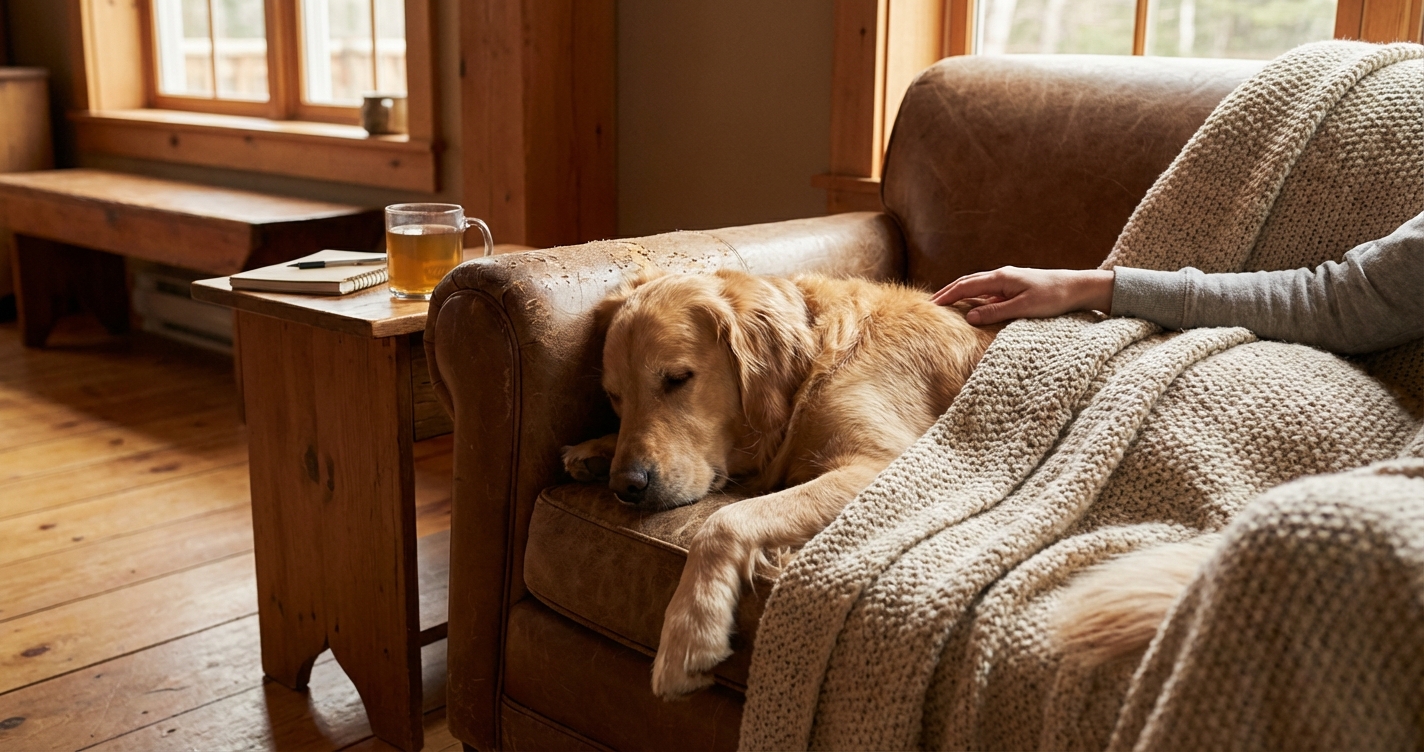
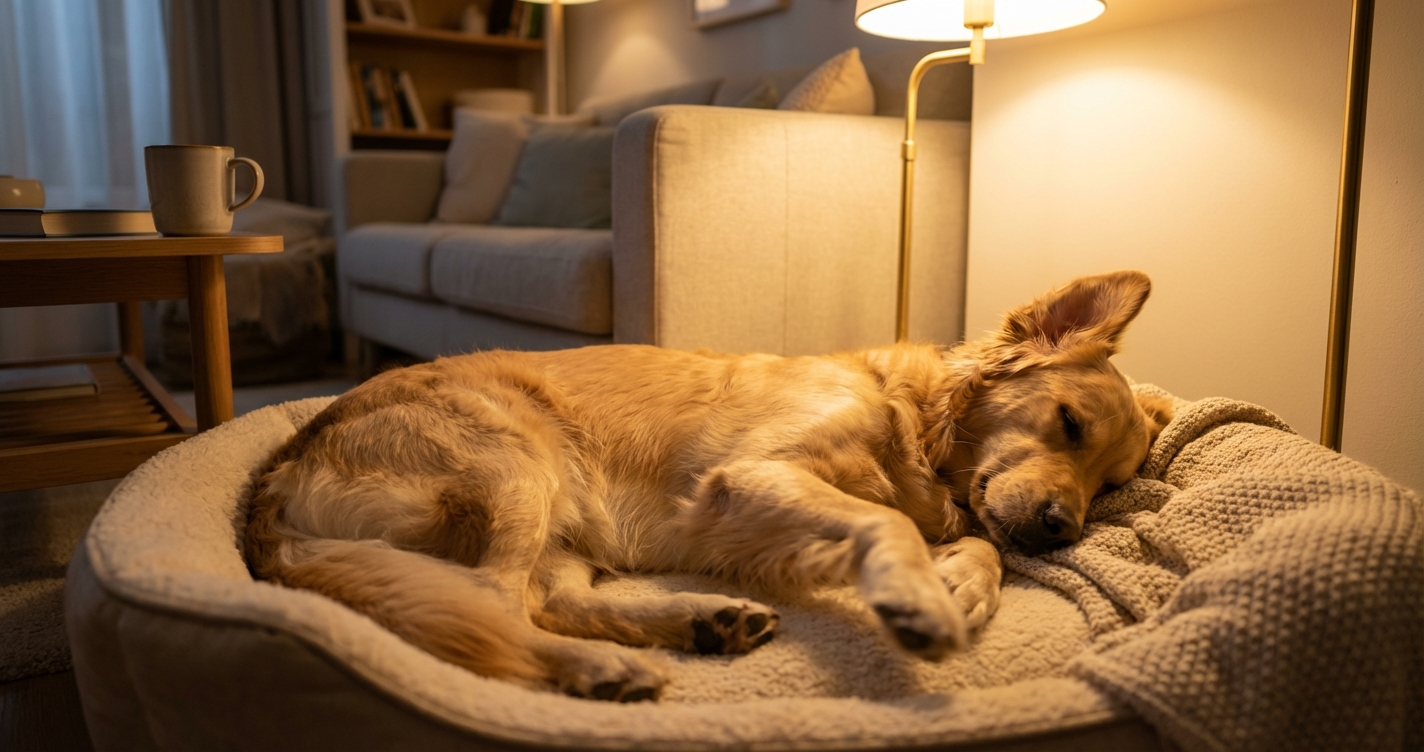
The other night, I was just settling down with a brew when the noise started. A low ‘woof’, a little whimper, and then a full-on, muffled bark from the dog bed in the corner. His legs were going like the clappers, and his ears were twitching nineteen to the dozen. For a second, you think, ‘What’s all that about?’ And then you realise he’s fast asleep, probably chasing a particularly plump pheasant through a field in his head.
If you’ve ever watched your dog bark, growl, or even run in their sleep, you’re not alone. It’s a common sight for us dog owners, but it can make you wonder what on earth is going on in that furry head of theirs. Are they having a nightmare? Should you wake them up? Let’s have a proper look at it.
A Glimpse into Your Dog’s Dreamworld: The Sleep Cycle
Just like us, dogs have different stages of sleep. The magic really happens during the REM (Rapid Eye Movement) stage. This is the deep sleep phase where the brain is buzzing with activity, and dreams are most vivid. It’s during this REM sleep that you’ll see all the action.
You can often spot when they’re entering this phase. About 20 minutes after nodding off, their breathing might become a bit irregular, you’ll see their eyes darting about beneath their eyelids, and the twitching begins. This is all perfectly normal and a sign of a healthy, functioning brain.
- Key Takeaway: Most sleep-barking happens during the deep REM sleep stage. It’s a natural part of their sleep cycle where dreaming occurs.
So, What’s All the Racket About?
Simply put: your dog is dreaming. Their brains are processing the day’s events, just like ours do. The vocalizations and movements are just them acting out their dream adventures. Think of all the things they do during the day – that’s the material for their dreams.
Common Doggy Dream Subjects:
- Chasing squirrels, rabbits, or the neighbour’s cat.
- Playing fetch with their favourite squeaky toy.
- Greeting you enthusiastically when you get home.
- Barking at the postie (a daily highlight, after all).
- Enjoying a particularly good belly rub.
These little whimpers and barks are involuntary muscle movements. They’re not consciously making the noise; it’s just a physical reaction to the vivid dream they’re having.
Is it a Good Dream or a Doggy Nightmare?
This is the question that worries most owners. Are those little yelps a sign of distress? In most cases, probably not. A dog having a bad dream might seem more agitated, with more frantic leg movements or distressed-sounding yelps. However, it’s incredibly difficult to know for sure what they’re feeling.
Signs of a Normal, Active Dream:
- Gentle twitching of paws, whiskers, or ears.
- Soft whimpering, muffled barks, or low growls.
- Light ‘running’ motions with their legs.
The vast majority of the time, what might look like a nightmare to us is just a very exciting dream about chasing a ball. It’s their brain’s way of sorting through memories and practicing skills.
The Big Question: Should You Wake Them Up?
In a word: no. The old saying ‘let sleeping dogs lie’ is spot-on advice here. Waking a dog from a deep, vivid dream can be incredibly disorienting and frightening for them.
Imagine being pulled from a very real-feeling dream – you’d be confused for a moment, right? A startled dog, still half in their dream world, could react defensively and snap or even bite out of sheer confusion, not aggression. It’s a real risk.
- What to do instead: If you are genuinely concerned that they are in distress, don’t touch or shake them. You can try saying their name very softly from a distance. Often, the sound of your voice is enough to gently stir them without causing a shock.
When a Sleepy ‘Woof’ Might Mean a Trip to the Vet
While 99% of sleep-barking is completely harmless, there are rare occasions when it could be a sign of something else. It’s always best to be aware of what’s normal for your dog. Have a word with your vet if you notice any of the following:
- It’s a Sudden Change: If your older dog, who has always been a quiet sleeper, suddenly starts barking or thrashing violently in their sleep.
- It’s a Bit Too Violent: We’re not talking about a bit of twitching, but full-blown, violent thrashing that could cause them to fall off the sofa or injure themselves. This could be a sign of a rare issue like REM Sleep Behaviour Disorder.
- Signs of a Seizure: A dream is very different from a seizure. During a seizure, a dog’s body will often become very stiff, they may drool excessively, foam at the mouth, or lose control of their bladder or bowels. They will be completely unresponsive. If you ever suspect a seizure, contact your vet immediately.
- They Seem Distressed on Waking: If they wake up from these episodes seeming confused, scared, or disoriented for a prolonged period.
The Sensible Takeaway: If the noises are new, unusually violent, or accompanied by any other worrying signs, a quick call to your vet is the best way to put your mind at ease.
A Few Tips for a More Peaceful Night
You can’t stop your dog from dreaming, nor would you want to! But you can help ensure they have a restful, secure sleep.
- A Good Routine: Dogs thrive on routine. Consistent times for walks, food, and bedtime can help regulate their sleep patterns.
- A Safe, Comfy Bed: Make sure they have a dedicated, comfortable spot in a quiet part of the house where they won’t be disturbed.
- Plenty of Exercise: A dog that’s had a good run-around and mental stimulation during the day is more likely to sleep soundly. A tired dog is a happy dog.
- A Calm Wind-Down: Avoid any high-energy, rowdy games right before bed. A calm evening helps promote a calm night’s sleep.

Related Posts