
The Sunday Morning Stare-Down
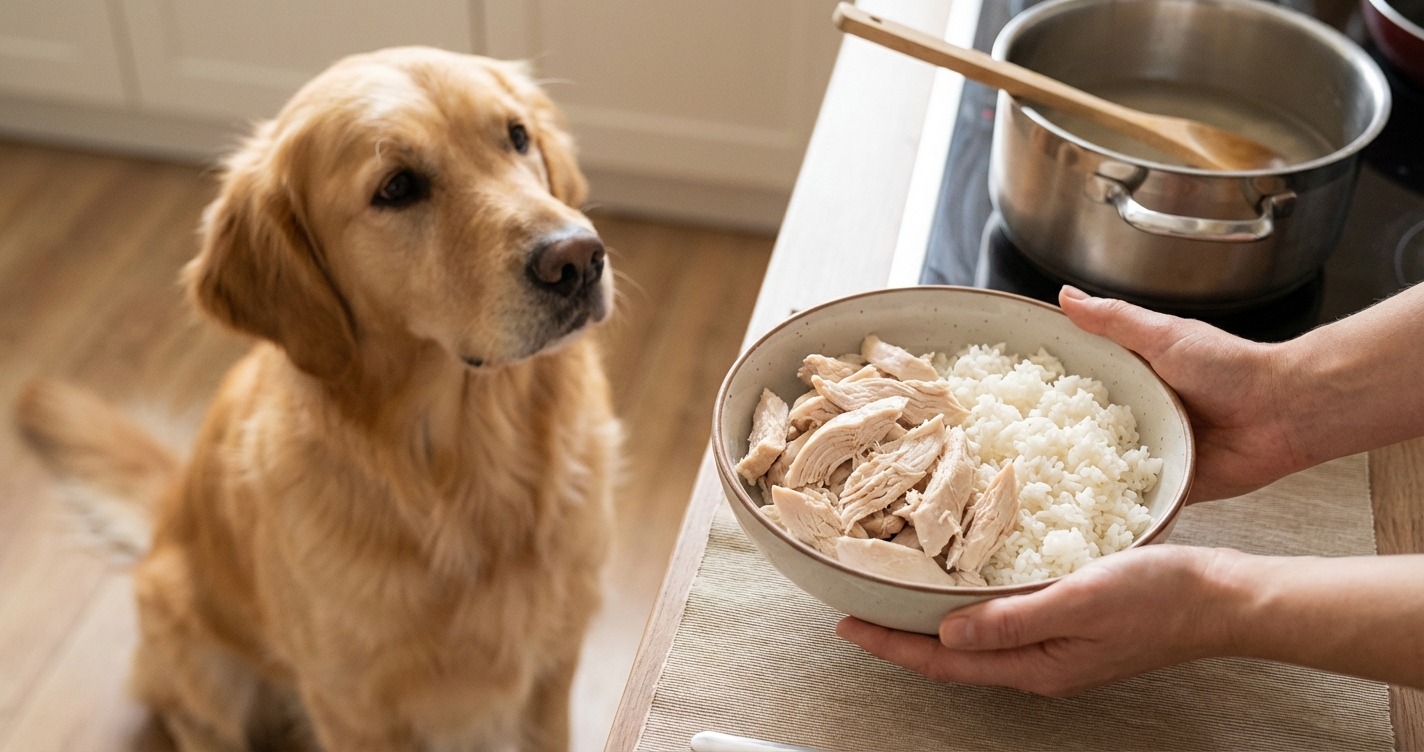
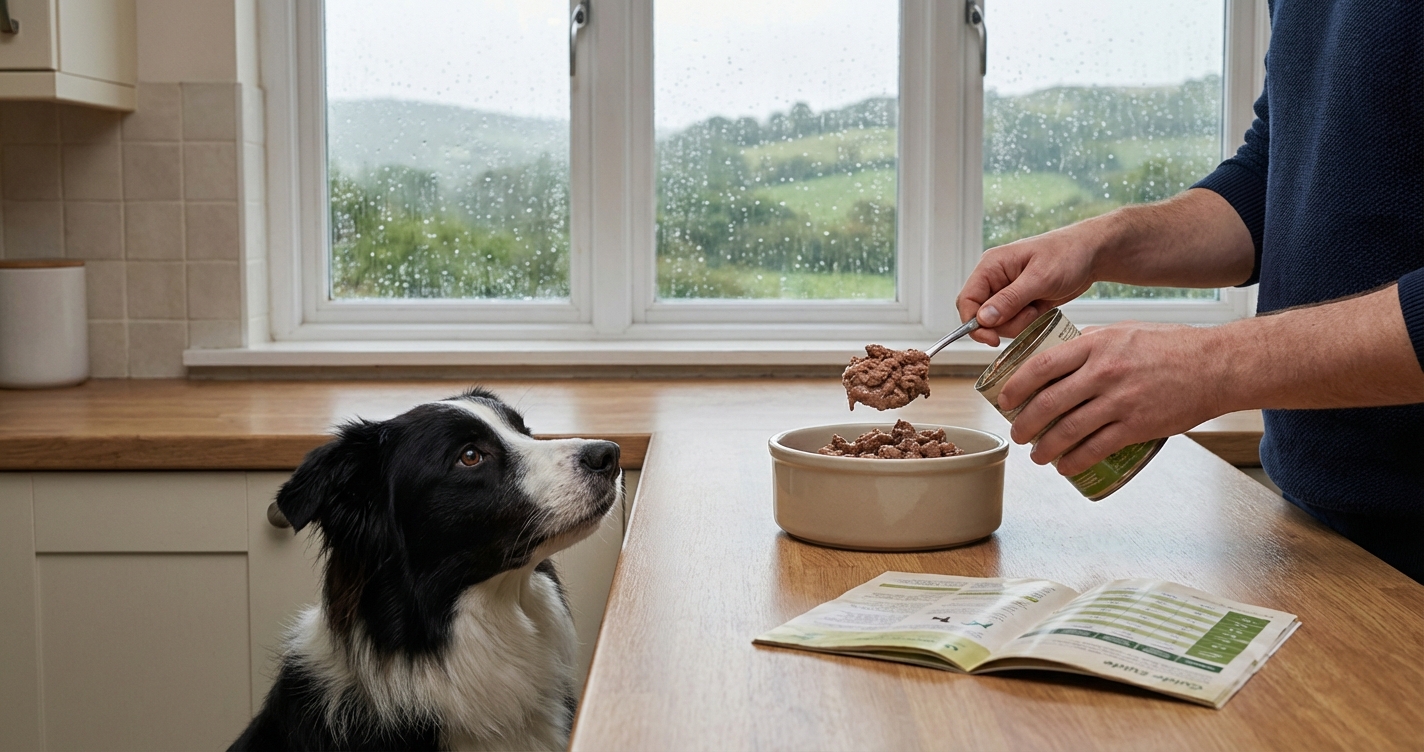
Picture the scene. It’s a Sunday morning in the Peaks, chucking it down outside as usual. You’ve got the kettle on and the frying pan is sizzling away with a few rashers for a proper bacon butty. The smell is wafting through the house, and suddenly, you have a shadow. A pair of big, pleading brown eyes burning a hole in your leg, desperate for just a morsel of that salty, fatty goodness.
It’s tempting, isn’t it? You think, "One little bit won’t hurt." But before you toss that rind onto the kitchen floor, stick the kettle back on and have a read of this. Because while we love a bit of bacon, it’s a completely different story for our four-legged shadows.
The Short Answer: Should You Share?
No, it is really not recommended.
While bacon isn’t toxic in the same immediate way that chocolate or grapes are, it is essentially a nutritional grenade for dogs. It is loaded with salt and fat, two things that canine digestive systems struggle to process in large quantities. Feeding bacon regularly, or even as a one-off treat for sensitive dogs, can lead to significant health issues ranging from an upset tummy to serious conditions like pancreatitis.
The "Triple Threat": Why Bacon is Bad News
To understand why we need to keep the frying pan out of reach, we have to look at what actually goes into that rasher. It’s not just pork; it’s processed meat.
1. The Fat Content (Pancreatitis Risk)
This is the big one. Bacon is incredibly fatty. When a dog consumes a sudden, large amount of fat, their pancreas can become inflamed. This condition is called pancreatitis.
- The pancreas releases enzymes to digest food.
- High fat can cause these enzymes to activate before they reach the small intestine.
- Essentially, the pancreas starts digesting itself. It is incredibly painful for the dog and often results in an expensive emergency trip to the vet.
2. The Salt Factor (Sodium Ion Poisoning)
Bacon is cured, meaning it’s packed with salt. Dogs are much more sensitive to sodium than we are. While a slice might just make you thirsty, for a small dog, excessive salt can cause dehydration or, in severe cases, sodium ion poisoning. Symptoms include excessive thirst, vomiting, and seizing.
3. Preservatives (Nitrates)
To keep bacon pink and fresh-looking, manufacturers use nitrates and nitrites. There has been plenty of discussion about the link between these preservatives and bowel cancer in humans, and dog stomachs are just as susceptible to the negative effects of processed chemicals.
Raw, Cooked, or Burnt to a Crisp?
I often hear people ask if cooking the bacon makes a difference. Let’s break it down:
- Raw Bacon: A definite no-go. Aside from the fat and salt, raw pork carries the risk of parasites and bacteria like Salmonella. It’s just not worth the risk.
- Cooked Bacon: Still high risk due to the grease and salt content mentioned above.
- Bacon Grease: This is arguably the most dangerous part. Some folks think pouring the leftover fat from the pan onto their dog’s kibble is a "treat." Please, don’t do this. You are essentially pouring concentrated pancreatitis risk directly into their bowl. It’s far too rich for their digestion.
The "Turkey Bacon" Loophole
Owners often ask if turkey bacon is a safe workaround. While it is generally lower in fat than pork bacon, it is still highly processed and normally packed with sodium and chemical preservatives to make it taste like the real thing.
Is it better than pork bacon? Marginally. Is it a healthy treat? Absolutely not. If you must give turkey, stick to plain, cooked turkey breast with no seasoning.
The Quantity Calculator: A Reality Check
It’s easy to underestimate the impact of "human food" on a smaller body. Think of it this way:
If you feed a single rasher of bacon to a small Terrier (approx 10lbs), that is roughly the caloric equivalent of a human eating an entire cheeseburger as a snack. It’s a massive percentage of their daily allowance, filled with nothing but empty calories and salt.
My Dog Ate Bacon: When to Worry
If your dog has managed to counter-surf and swipe a slice while you were grabbing the brown sauce, don’t panic immediately. Keep a close eye on them.
Watch for these symptoms:
- Vomiting or Diarrhoea: This suggests a simple upset stomach. Keep them hydrated.
- Lethargy: If they seem "off" or unwilling to walk.
- Abdominal Pain: This is a sign of pancreatitis. If your dog is hunching over, stretching in a "prayer position," or winces when you touch their belly, call the vet immediately.
Safe Alternatives (That Are Actually Healthy)
You can still treat your dog to something savory without risking their health. If they are begging for that meaty flavour, try these instead:
- Plain Cooked Pork: A piece of lean loin, cooked thoroughly with no salt or spices.
- Dehydrated Liver: You can buy these or make them yourself in a low oven. They stink, but dogs go mad for them.
- Scrambled Egg: If you’re making breakfast anyway, make a small side portion of egg before you add your own salt, pepper, or milk.
- Dog-Safe "Bacon" Treats: There are plenty of treats on the market flavoured to taste like bacon but formulated with safe ingredients.
At the end of the day, your dog doesn’t know they’re missing out on the specific culinary joy of a bacon butty. They just want something tasty. Stick to the safe stuff, and you’ll save yourself a lot of worry—and a hefty vet bill.

Related Posts