Can My Dog Eat Walnuts? The Long and Short of It
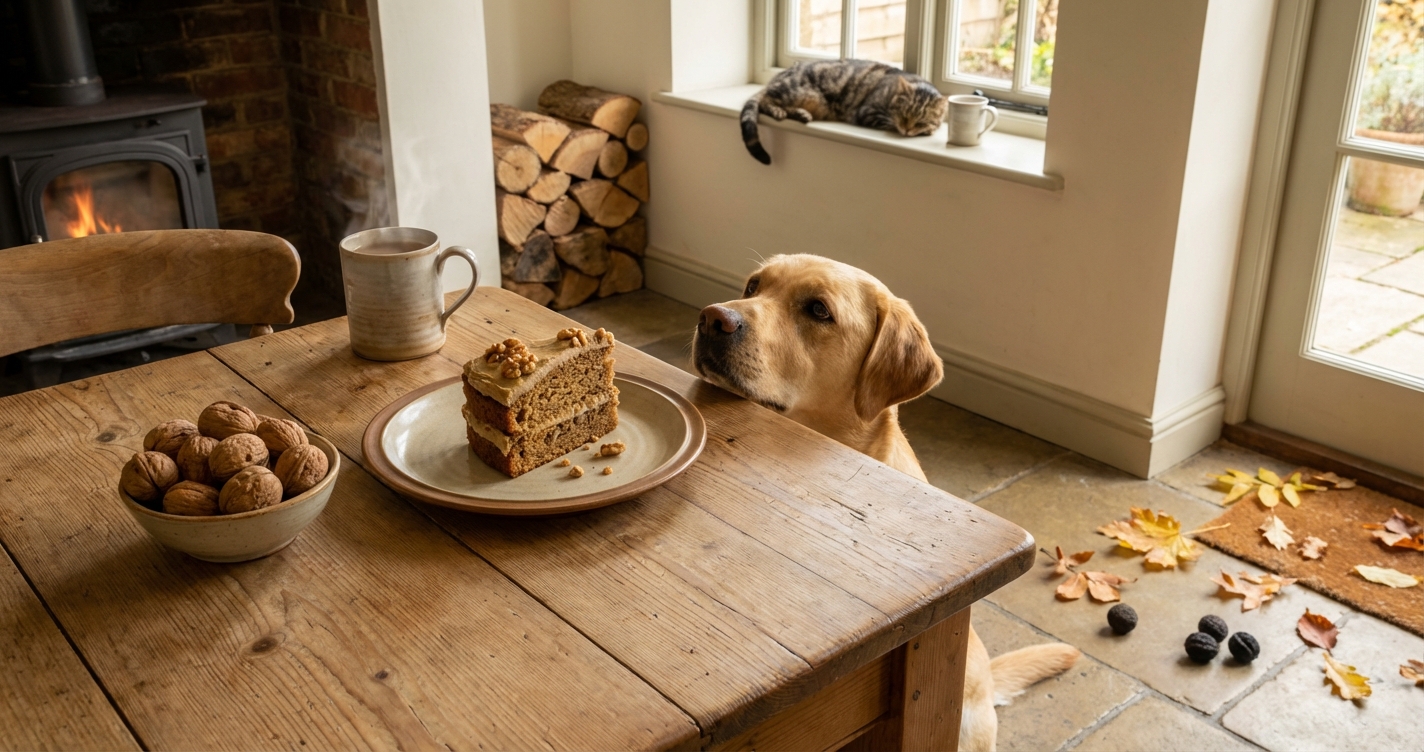
The other week, I was enjoying a slice of coffee and walnut cake by the fire, Margo the cat purring contentedly on the radiator beside me. I put my plate down for a second to tend to the logs, and in that split second, Buster the Lab had his head on the table, his eyes wide with intent. I got there just in time, but it got me thinking. We all know that Hoover-like tendency our dogs have, especially when it comes to human food. So, when a walnut rolls off the kitchen counter, what’s the harm?
Well, let’s get this straight from the off. The simple answer to ‘Can my dog eat walnuts?’ is a firm no. While a single, fresh English walnut snaffled by a big dog like Buster might not trigger a full-blown emergency, it’s a game of Russian roulette you don’t want to play. They are simply not a safe or suitable treat for our four-legged mates.
Why Walnuts Get a Firm “No” from the Pack
It’s not just one single issue with walnuts; it’s a collection of problems that make them a poor choice for any dog, from a tireless Spaniel like Fern to a hefty Labrador.
- High Fat Content: Walnuts are packed with fat. While it’s ‘good fat’ for us, a dog’s digestive system isn’t designed for it. A sudden high-fat snack can lead to a nasty bout of gastrointestinal upset (vomiting and diarrhoea) or, in more serious cases, trigger a painful and potentially fatal condition called pancreatitis.
- Choking & Blockage Hazard: This is a simple mechanical risk, especially with whole walnuts. The hard shells can be a serious choking hazard or cause an intestinal blockage if swallowed, which often requires emergency surgery.
The Two Types of Walnut: The Bad and the Properly Nasty
Not all walnuts are created equal, and it’s vital to know the difference. One is a bad idea, the other is downright toxic.
English Walnuts (The ones in your fruit bowl)
These are the common walnuts you buy in the supermarket for your baking. They aren’t toxic in themselves, but they carry all the risks mentioned above – high fat, potential for blockages, and the hidden danger of mould (more on that in a moment).
Black Walnuts (The real villains of the piece)
These are a different beast entirely. Black walnuts, which can often be found on trees in parks and gardens, produce a toxic chemical called juglone. This can cause severe stomach issues in dogs. However, the far greater threat comes from the mould that frequently grows on them.
The Hidden Danger: Mould, Mycotoxins, and a Vet’s Worst Nightmare
Here’s the most critical takeaway. Old walnuts, particularly fallen black walnuts that have been lying on damp ground, are prime real estate for certain types of mould. This isn’t your average bread mould; these fungi can produce something called tremorgenic mycotoxins.
Key Takeaway: Tremorgenic mycotoxins are potent neurotoxins that can cause severe neurological symptoms in dogs, effectively poisoning them. This is a genuine veterinary emergency.
Spotting the Signs: Symptoms of Walnut Poisoning in Dogs
If you suspect your dog has eaten a mouldy walnut, you need to be on high alert. The mycotoxins attack the nervous system, and you must contact your vet immediately if you see any of these signs:
- Vomiting or Drooling
- Loss of coordination (ataxia)
- Lethargy and weakness
- Muscle tremors or twitching
- Restlessness and panting
- In severe cases, seizures
Right, My Dog’s Eaten a Walnut. What Now? (The Action Plan)
First off, don’t panic. Getting in a flap won’t help anyone. Follow these practical steps that pass the real-world ‘Mud Test’.
- Secure the Scene: Get your dog away from the source and make sure there are no more walnuts they can get their paws on.
- Assess the Evidence: How many did they eat? Were they shelled or whole? Were they fresh from a packet or old ones from the garden? Crucially, could you see any mould?
- Call The Vet Immediately: This is non-negotiable, especially if you suspect they ate a black walnut or a mouldy one. Give your vet all the information you gathered in step 2. They will tell you whether to monitor your dog at home or bring them in straight away. Do not try to make your dog sick unless your vet explicitly tells you to.
The Walnut “Risk-o-Meter”: A Practical Guide
To put it in perspective, here’s a quick-glance guide to the level of danger.
- LOW RISK: Your large dog nabs a single, fresh, shelled English walnut you dropped. Action: Monitor for any tummy upset.
- MODERATE RISK: Your dog eats a few English walnuts, especially with the shells. Action: Call the vet for advice, as the risk of blockage and pancreatitis increases.
- EXTREME RISK: Your dog eats any black walnut, or any walnut that looks old, discoloured or mouldy. Action: This is an emergency. Call your vet immediately.
Are Any Nuts Safe for the Pack?
While the nut bowl should generally be off-limits, a few are considered safer than others, but only under strict conditions: plain, unsalted, and in tiny amounts.
- Safer in small doses: Plain roasted peanuts, cashews, and almonds can be okay as a very occasional, high-value treat. But again, the high fat content is a concern.
- Nuts to Avoid at All Costs: Never, ever let your dog eat Macadamia nuts. They are highly toxic and can cause weakness, vomiting, and hyperthermia. Pecans are also on the ‘no’ list as they can contain the same mycotoxins as mouldy walnuts.
Better Bribes: Treats That Pass The Mud Test
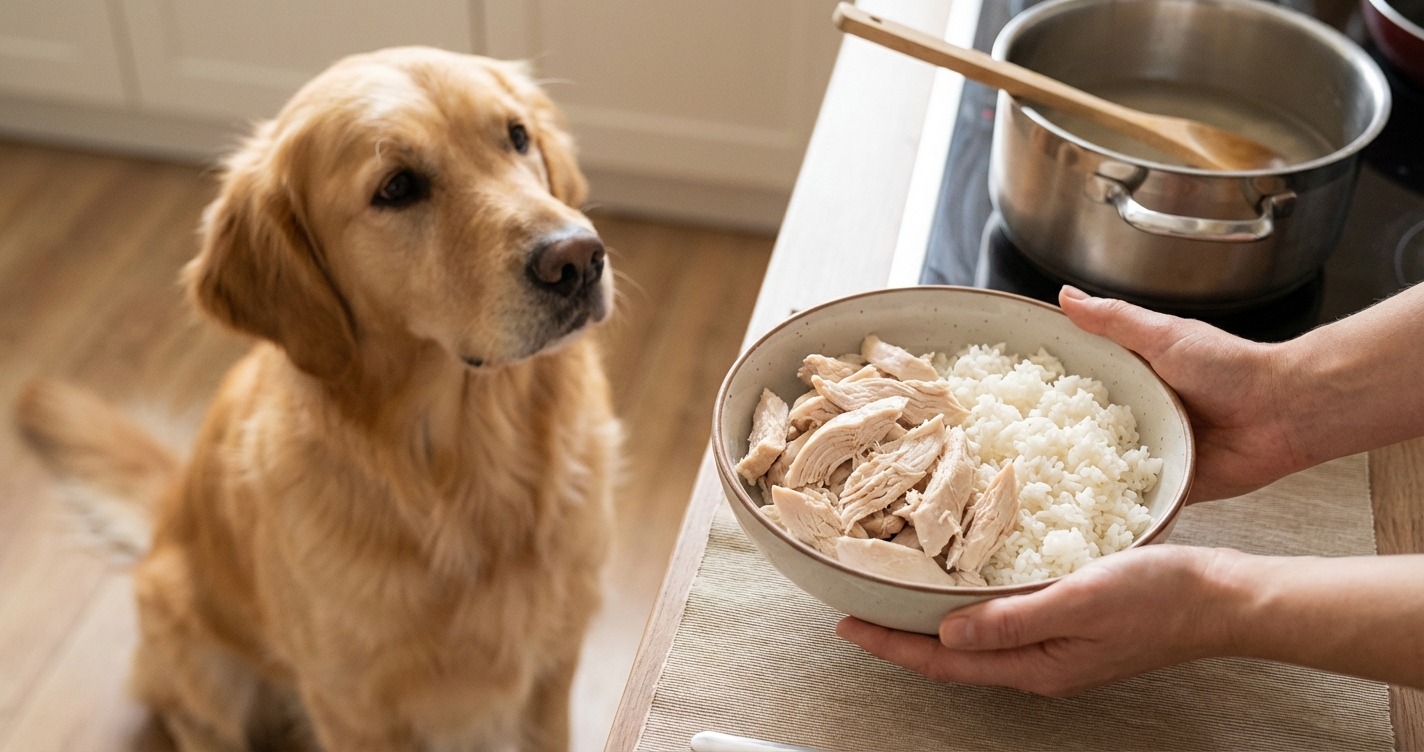
Honestly, it’s just easier and safer to stick to things you know are fine. If Buster and Fern are being particularly good, they’re more than happy with a few slices of apple (no pips!), a crunchy carrot stick, or a bit of plain, cooked chicken. No risk, no panic, and a much happier board of directors all round. When it comes to walnuts, the conclusion is simple: save them for your coffee cake and keep them well away from the dog.

Related Posts