How Long Does It Take a Dog to Digest Food? A Plain English Guide
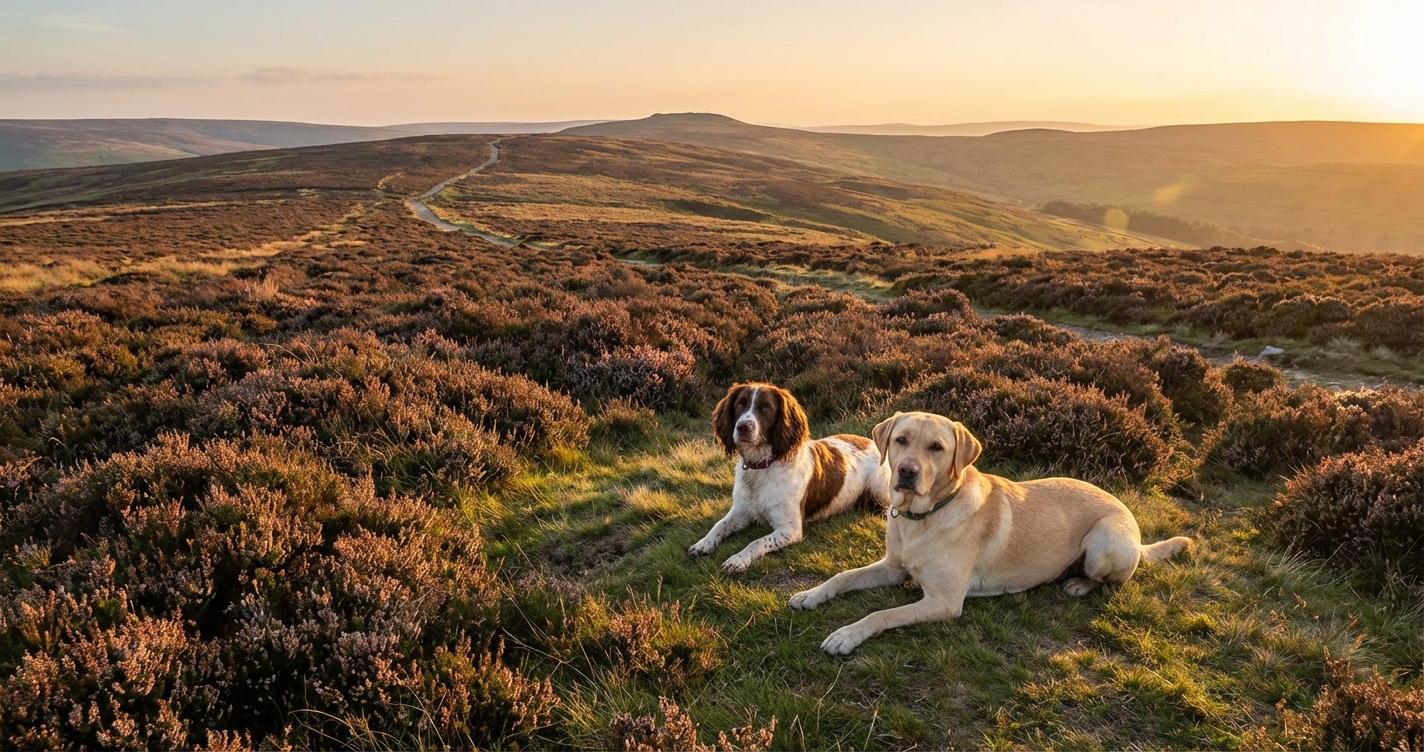
The other day, I was out on the moors with the dogs. Fern, my hyperactive Spaniel, was doing her usual zig-zagging, while Buster, my Labrador who operates on the principle that all food is *his* food eventually, was sniffing out a discarded pasty wrapper. It got me thinking. We’re so focused on what goes in, but what about the journey it takes afterwards? And how long does that journey actually last?
It’s one of those questions every dog owner has pondered, usually while waiting with a poo bag in hand, wondering if that dodgy-looking thing they ate an hour ago is about to make an appearance. So, let’s get the kettle on and have a proper chat about it.
The short answer is that, for a healthy adult dog, the entire digestive process usually takes somewhere between 4 and 12 hours. However, this is just a ballpark figure. The true time can vary wildly depending on a whole host of factors.
A Dog’s Digestive Journey: From Bowl to… Well, You Know
Unlike our own leisurely system, a dog’s digestive tract is built for speed and efficiency. It’s a shorter, more acidic production line designed to quickly extract nutrients from their meal. Here’s a quick tour of the route food takes:
- The Mouth: It all starts here. Dogs don’t really chew their food to a pulp like we do. Their teeth are designed more for tearing and crushing, so they mostly just lubricate the food with saliva before sending it on its way.
- The Stomach: This is the main processing plant. A dog’s stomach is incredibly acidic, which helps to kill off nasty bacteria from things they might scavenge (like Buster and his pasty wrappers) and starts the heavy work of breaking down proteins. Food can sit here for several hours.
- The Intestines (Small & Large): From the stomach, the partially digested food moves into the small intestine, where most of the nutrient absorption happens. What’s left over then travels to the large intestine (or colon), where water is absorbed, and the final product is formed before being, shall we say, ‘dispatched’.
Key Factors That Affect Your Dog’s Digestion Time
Now, why the big 4-to-12-hour window? Because no two dogs are the same. My food-hoover of a Lab, Buster, processes his dinner very differently to Margo, the cat, who rules the radiator and nibbles delicately. Several key things can speed up or slow down your dog’s internal clock.
Age: Pups vs. Golden Oldies
A young puppy’s system is a whirlwind, often processing food in just a few hours. This is why they need to go out to the toilet so frequently! In contrast, a senior dog’s metabolism slows down, and their digestive transit time often gets longer.
Size and Breed
It stands to reason that a giant Great Dane has a much longer digestive tract than a tiny Chihuahua. Generally, larger breeds take longer to digest their meals than smaller ones. Simple physics, really.
The Type of Food
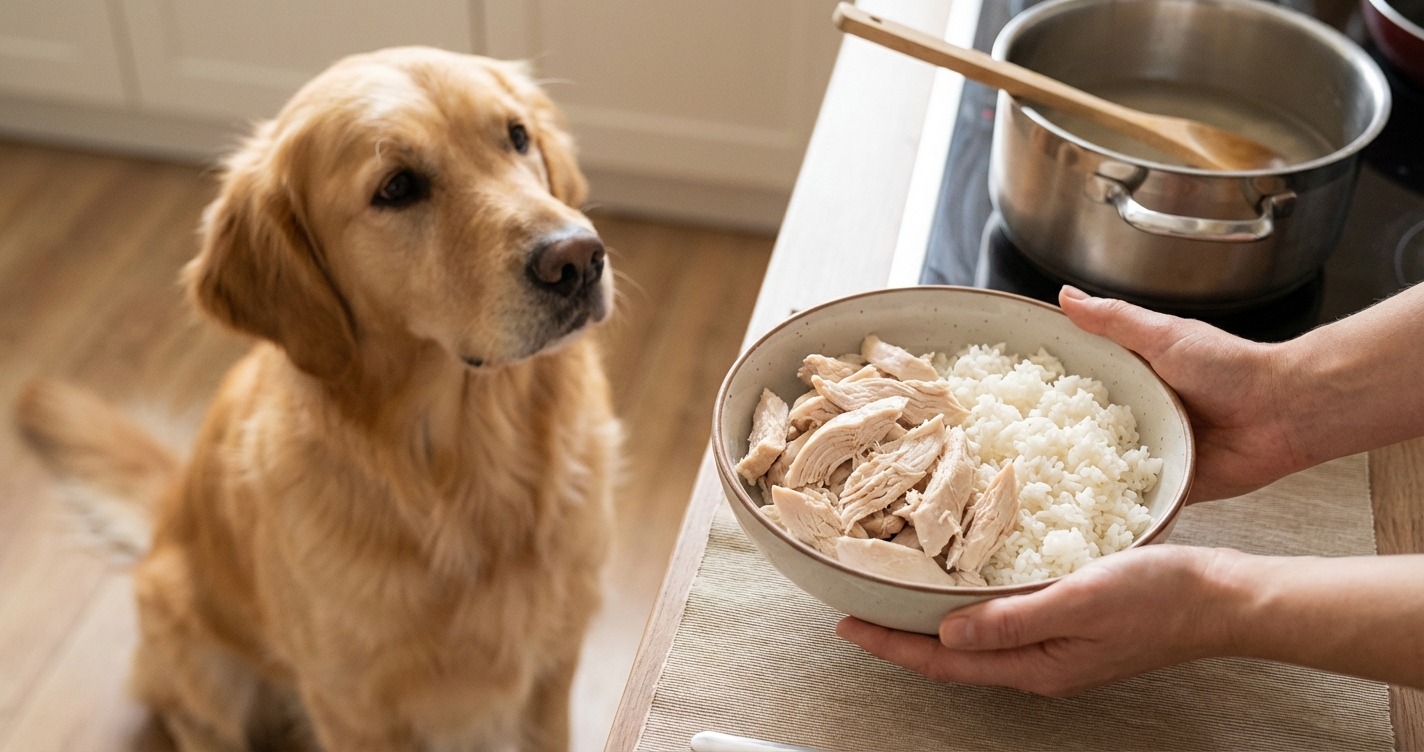
What’s in the bowl makes a huge difference. Highly digestible, simple foods move through the system much quicker.
- Wet Food: Because of its high moisture content, wet food is often digested more quickly than dry kibble.
- Dry Food (Kibble): This can take a bit longer as the body needs to add more fluid to break it down.
- Raw Food: Proponents of raw feeding often report very quick digestion times, sometimes as little as 4-6 hours, as the food is in a more ‘natural’ state.
- High-Fibre vs. High-Protein: A high-protein, low-fibre meal will pass through faster. Add lots of fibre, and you’ll slow the whole process down.
Activity and Hydration Levels
A dog who goes for a good walk after a meal will generally digest faster than a couch potato. Exercise stimulates the bowels. Likewise, a well-hydrated dog will have a more efficient system, as water is crucial for breaking down food and keeping everything moving smoothly. Always have fresh water available!
Overall Health
Underlying health conditions, from stress and anxiety to more serious issues like inflammatory bowel disease or pancreas problems, can have a massive impact on digestion. If you notice a sudden, dramatic change in your dog’s toilet habits, it’s always worth a check-up.
Telltale Signs of Digestive Upset
Sometimes, things go a bit wrong in the gut department. It’s important to know what to look out for. While an occasional off day is normal, keep an eye out for persistent symptoms.
- Vomiting or Regurgitation: Bringing up food or bile is a clear sign something’s not right.
- Diarrhoea or Constipation: Any major change in the consistency or frequency of their poo is a red flag.
- Lethargy and Lack of Appetite: If your usually food-obsessed dog suddenly isn’t interested in their dinner, pay attention.
- Excessive Gas: A bit of wind is one thing, but constant, foul-smelling gas can indicate poor digestion.
- Gurgling Stomach Noises: Loud tummy rumbles (known as borborygmi) can sometimes signal digestive distress.
Simple Ways to Support Your Dog’s Digestion
Helping your dog’s gut health isn’t about fancy potions or complicated routines. It’s mostly about common sense and consistency. My lot thrive on it.
1. Stick to a Schedule: Feeding your dog at the same times each day helps their body anticipate food and prepare for digestion. No surprises for the system.
2. Ensure a Balanced Diet: Choose a good quality food that suits your dog’s age, breed, and activity level. What works for high-energy Fern wouldn’t be right for a more sedentary dog.
3. Keep Them Hydrated: As mentioned, fresh, clean water is non-negotiable. It’s the oil for their internal engine.
4. Regular Exercise: A walk doesn’t just tire them out; it keeps their digestive system moving and regular. A brisk walk, not a frantic run, is best after a meal.
5. Consider Probiotics: These are the ‘good’ bacteria that live in the gut. Sometimes, a little boost from a probiotic supplement formulated for dogs can help maintain a healthy balance, especially after a bout of illness.
When Is It Time to Ring the Vet?
Right, this bit is important. I’m just a chap with a laptop and a pack of assorted animals. I am not a vet, and this advice doesn’t replace a proper professional opinion. While a one-off upset stomach is usually nothing to worry about, you should always contact your vet if you see:
- Symptoms that last for more than 24-48 hours.
- Blood in your dog’s vomit or stool.
- Signs of serious pain, like a hunched back or a hard, bloated belly.
- Your dog is trying to be sick but can’t bring anything up (this can be a sign of bloat, which is an emergency).
- Your dog seems dehydrated, weak, or collapses.
It’s always better to be safe than sorry. Your vet is there to help, and a quick phone call can provide peace of mind or get your dog the help they need, fast.

Related Posts