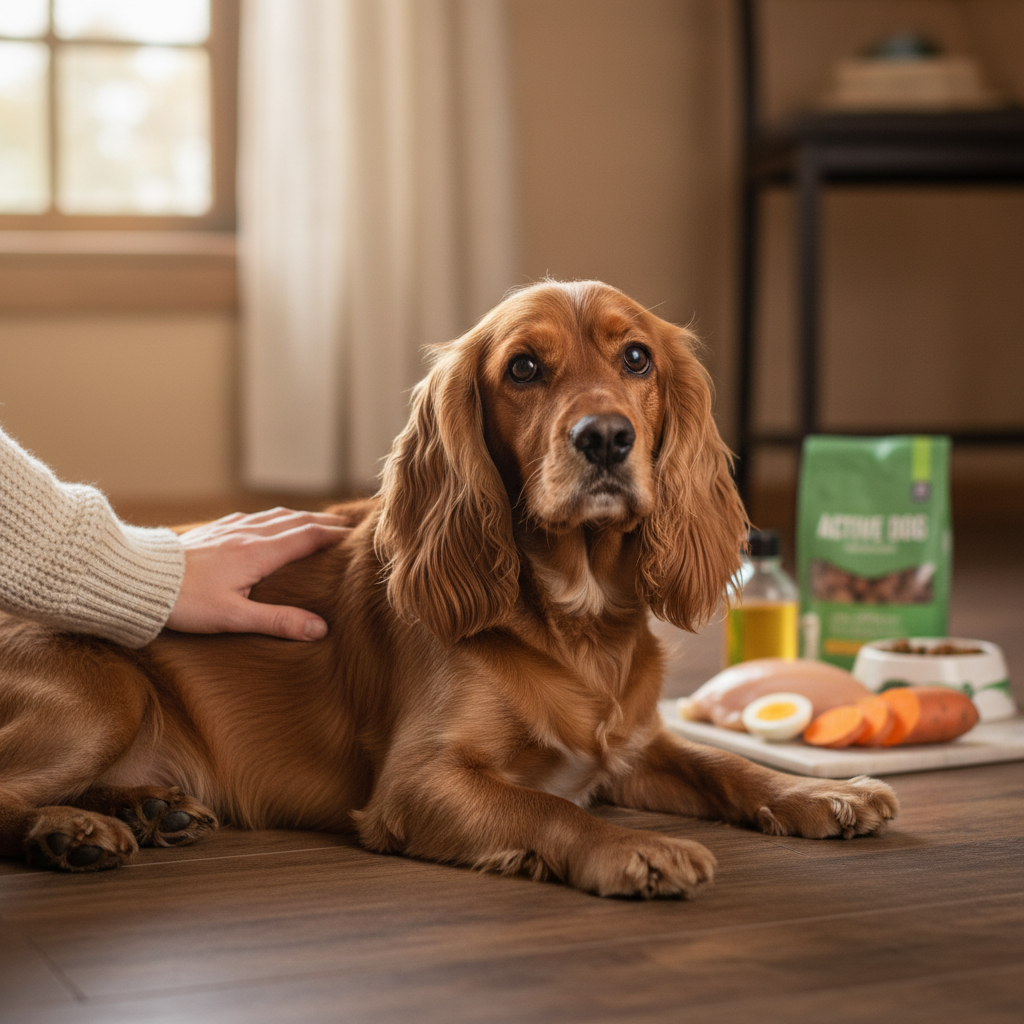
Is Your Dog a Bit *Too* Ribby? Here’s How to Tell
The other week, I was giving Fern, my live-wire Spaniel, a good fuss behind the ears and noticed she felt a bit…bony. She’d just had a massive growth spurt and her energy output is, to put it mildly, astronomical. It got me thinking about that fine line between a dog that’s lean and fit, and one that’s genuinely underweight. It’s a worry for any dog owner.
Before you start piling the bowl high, it’s best to get a proper handle on your dog’s body condition. Forget the number on the scales for a moment; different breeds have vastly different ideal weights. Instead, we use a hands-on approach.
The Knuckle Test: A Cracking Way to Check
- Too Thin (Like your Knuckles): Make a fist. Run your other hand over your knuckles. Feel those sharp, bony bumps with very little padding? If your dog’s ribs feel like that, they are likely underweight. You can probably see the last few ribs, and their hips and spine might look prominent.
- Just Right (Like the Back of your Hand): Now, flatten your hand. Feel over the bones where your fingers meet your hand. You can feel the bones, but they’re cushioned by a nice, subtle layer of padding. This is the goal. You should be able to feel your dog’s ribs easily without pressing hard, but they shouldn’t be sticking out.
- Overweight (Like your Palm): Now feel the fleshy part of your palm at the base of your thumb. If you have to press quite hard to feel your dog’s ribs, or can’t feel them at all, they’re carrying a bit of extra baggage.
First Things First: Why Might Your Pooch Be Dropping Pounds?
Right, this bit is important. Before we change a single thing about their diet, a trip to the vet is the first and most crucial step. Sudden weight loss can be a sign of something more serious, and it’s always best to get a professional opinion. Buster, my food-hoover Lab, once went off his food and lost a bit of weight, and it turned out to be a pesky toothache. You just never know.
Once you’ve got the all-clear from the vet, common culprits for being underweight include:
- Picky Eaters: Some dogs are just plain fussy.
- Stress or Anxiety: A new home, a new pet (Margo the cat’s arrival certainly ruffled some feathers), or changes in routine can put a dog off their food.
- Age: Older dogs can sometimes lose interest in food or have trouble absorbing nutrients.
- High Energy Levels: Just like with Fern, a dog that never stops moving simply burns more calories than they’re taking in.
The Building Blocks of a Healthier Weight: A Bit of Food Science
To help your dog gain weight in a healthy way, we need to focus on the right kind of calories. It’s not about just chucking any old scraps in their bowl. We’re aiming for healthy muscle and fat, not just flab.
- High-Quality Protein: This is vital for building muscle mass. Look for foods where a named meat source (like chicken, lamb, or fish) is the first ingredient.
- Healthy Fats: Fat is the most calorie-dense nutrient. It provides energy and helps the body absorb vitamins. Look for sources like fish oil or chicken fat.
- Calorie Density: This just means getting more energy from a smaller amount of food. A calorie-dense food means your dog doesn’t have to eat a mountain of grub to get the energy they need.
7 Practical Ways to Help Your Dog Gain Weight Safely
Once the vet has ruled out any underlying health problems, you can start making some simple, practical changes at home. Here’s what works for us.
1. More Meals, Not Just Bigger Ones
Instead of one or two huge meals, try splitting their daily food allowance into three or four smaller portions. This is often easier on their digestive system and can help them absorb more nutrients from their food.
2. Raid the Larder (Sensibly!)
A few spoonfuls of some dog-safe human food can work wonders. They add calories, nutrients, and make dinner much more interesting. Buster would do backflips for any of these.
- Sweet Potato or Pumpkin: Mashed and served plain (no sugar or spices!). Great for digestion, too.
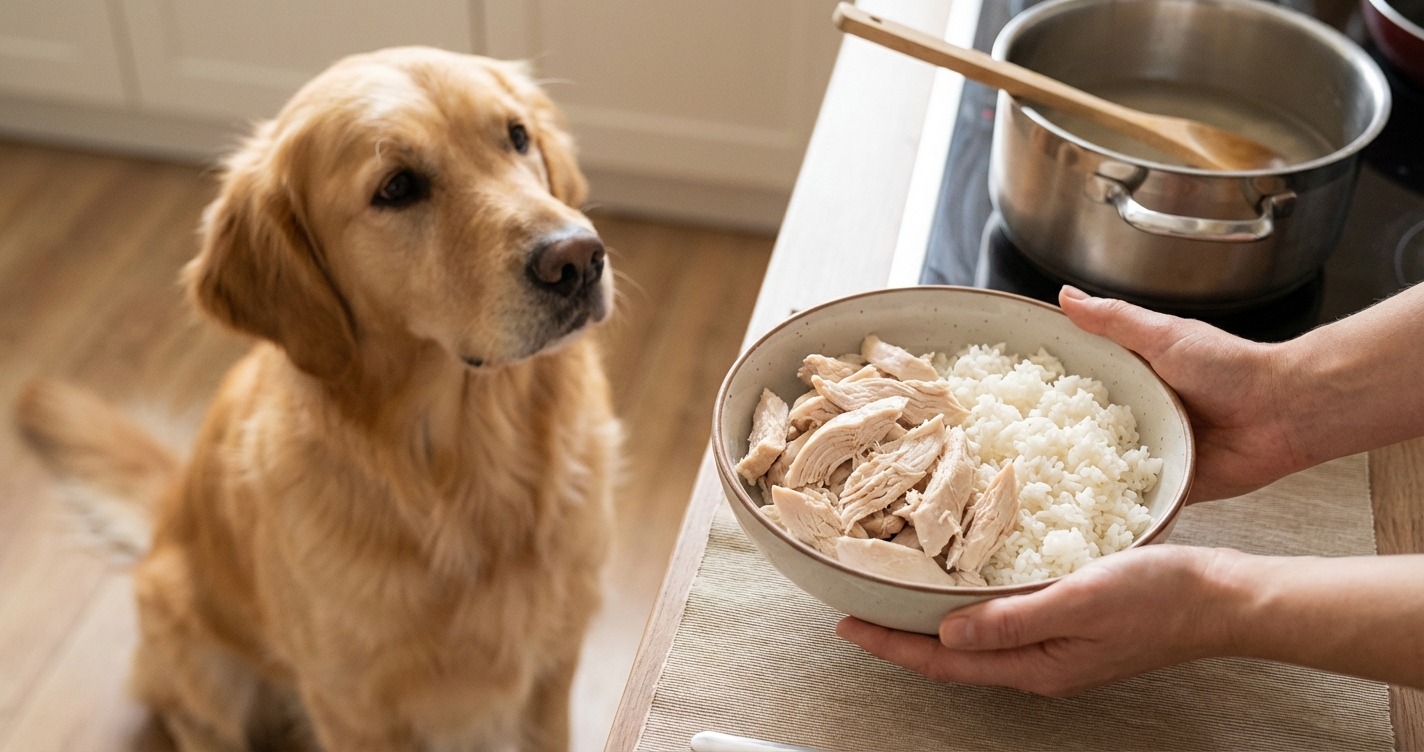
- Lean Mince: A bit of cooked, unseasoned chicken, turkey, or lean beef mince.
- Eggs: A scrambled or hard-boiled egg is a fantastic protein boost.
3. Make Dinner More Enticing
If you’re dealing with a fussy eater, making their food more palatable can do the trick. A splash of warm, low-salt bone broth or even just a little warm water can release the aromas and make the meal irresistible. Just let it cool a bit first!
4. Choose the Right Grub
Have a look at dog foods designed for “active” or “working” dogs. These are usually more calorie-dense and have higher protein and fat content than standard adult maintenance foods.
5. A Simple High-Calorie Topper
You can make a simple, healthy “weight-gain gravy” to add to their regular food. Just blend a small amount of cooked, lean chicken with a spoonful of plain mashed sweet potato and a little warm water until you get a thick, pouring consistency. A dollop on top of their kibble is a real treat.
6. A Word on Supplements
You might see high-calorie gels or powders on the market. While some can be useful, it is absolutely essential to chat with your vet before adding any supplements to your dog’s diet. Don’t just grab something off the shelf.
7. Build Muscle, Not Just Fat
We want to build healthy lean tissue, not just fat. Gentle, regular exercise helps to turn those extra calories into muscle. A good, steady walk through the hills is far better than intense, high-impact running while they’re underweight.
What to Avoid When Bulking Up Your Dog
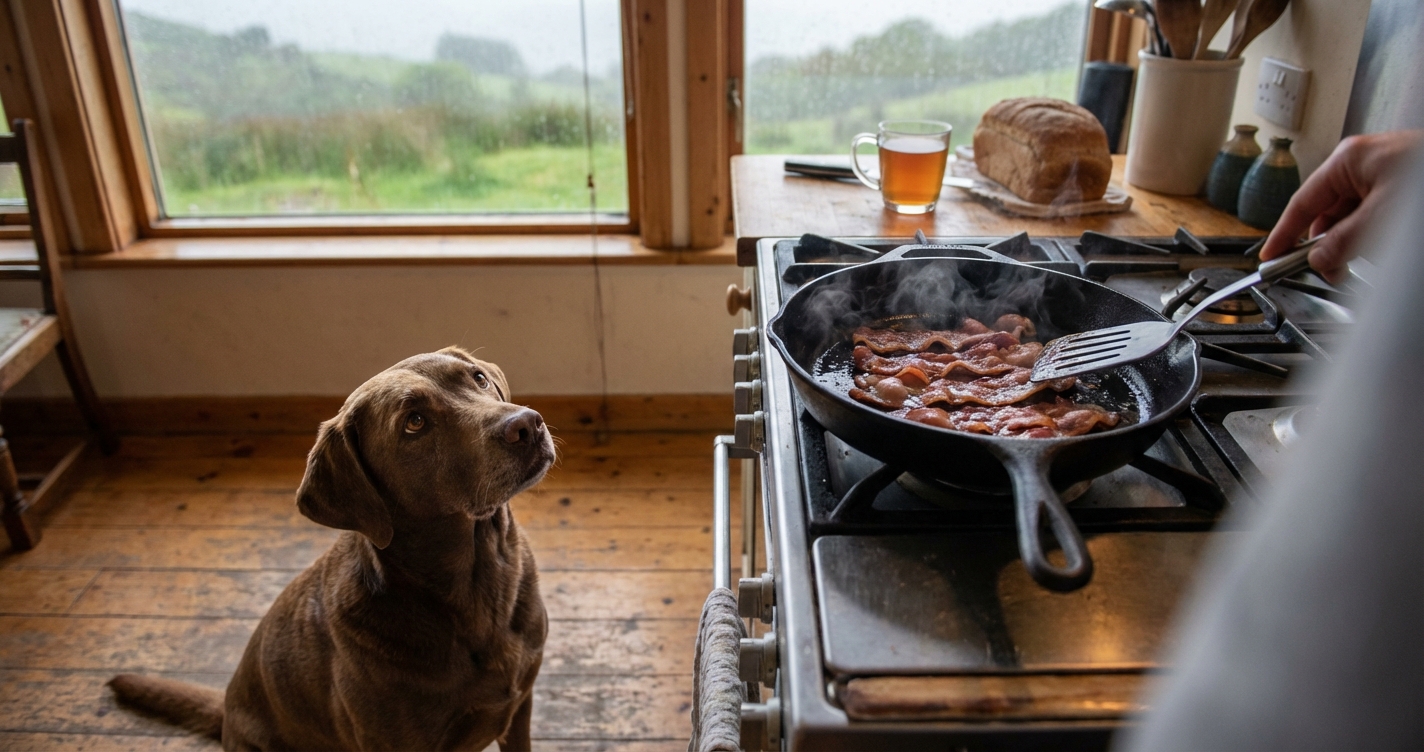
It’s just as important to know what *not* to do. Avoid the temptation to just give them fatty scraps from your own plate.
- Unhealthy Fats: Greasy leftovers can cause pancreatitis, a painful and serious condition.
- Bulk Fillers: Cheap foods bulked out with corn or wheat might fill your dog’s stomach but offer poor nutritional value.
- Sudden, Drastic Changes: Introduce any new food slowly over a week to avoid upsetting their stomach.
When You Need to Ring the Vet
While a gradual, slight loss of condition is something to monitor and manage, some symptoms need immediate professional attention. Call your vet straight away if you notice:
- Sudden and dramatic weight loss.
- A complete loss of appetite.
- Lethargy, vomiting, or diarrhoea alongside the weight loss.
Your Questions Answered (FAQ)
How quickly should my dog gain weight?
Slow and steady wins the race. Healthy weight gain is gradual, usually around 1-2% of their body weight per week, but your vet can give you a specific target. Rapid weight gain is often not healthy.
Can I just feed them more of their normal food?
While increasing the portion size slightly is part of the solution, it may not be enough. Simply feeding a huge volume of a standard maintenance food can sometimes lead to digestive upset. It’s often better to switch to a more calorie-dense food so they get more bang for their buck in each bowl.
Is puppy food a good option for an adult dog to gain weight?
This is a popular trick, as puppy food is calorie and nutrient-dense to support growth. For some adult dogs, it can be a good short-term solution, but it can be too rich for others. It’s one of those things you absolutely must discuss with your vet before trying.

Related Posts