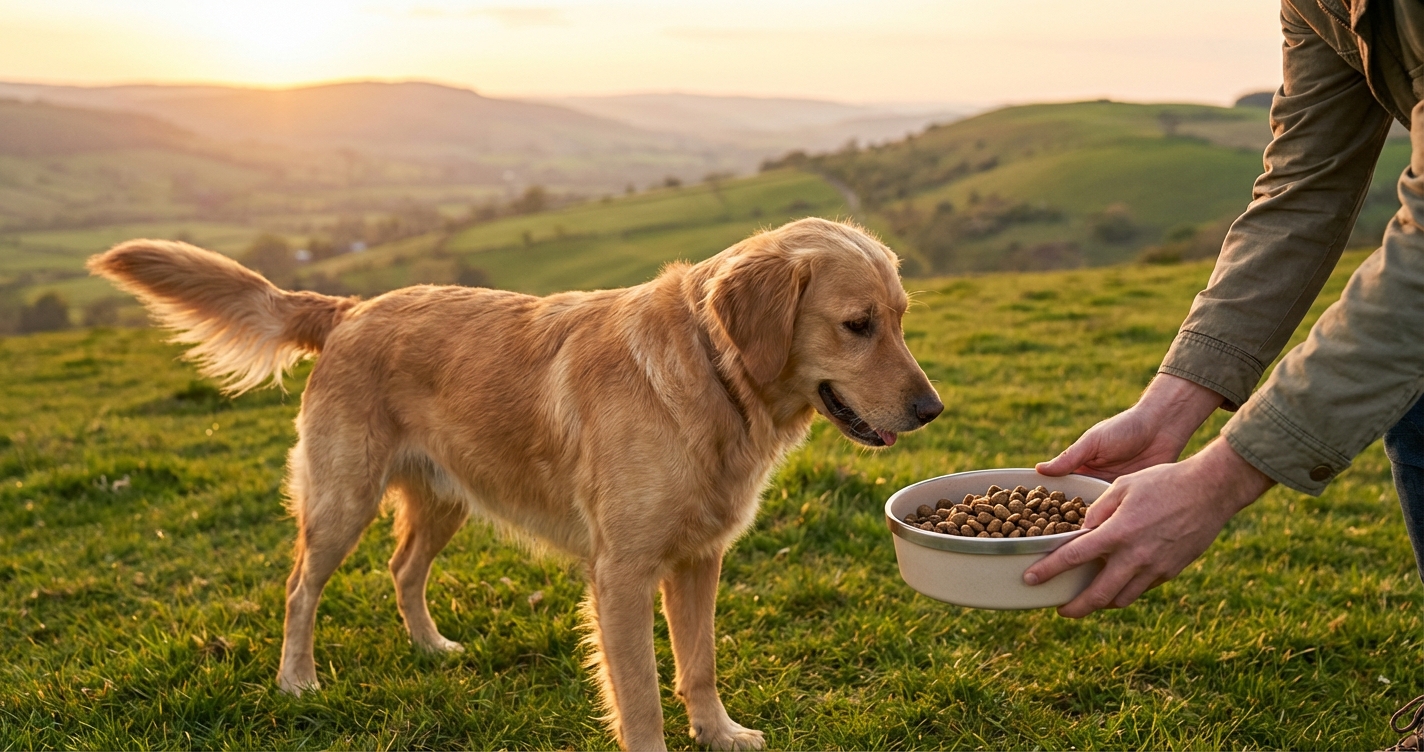
Is Your Dog Looking a Bit Ribby? Here’s How to Help.
The other week, after a long yomp up Mam Tor, I looked at my lad Alfie and thought he seemed a bit… tucked up. He’d been off his food for a day or two after a minor tummy bug, and you could just about make out an extra rib. It’s a proper worry, isn’t it? You immediately start wondering if you’re feeding them enough, if the food is right, or if something else is amiss. Seeing your dog looking lean when they should be looking lithe is enough to send anyone into a bit of a spin.
But before we start chucking extra scoops in their bowl, it pays to take a step back and have a proper, honest look at the situation. Putting condition back on a skinny dog isn’t about just fattening them up; it’s about doing it safely and for the right reasons.
First Things First: Are They Actually Too Thin?
What one person calls skinny, another calls athletic. Breed characteristics play a huge part – you wouldn’t expect a Whippet to have the build of a Rottweiler. The best way to get an objective measure is by using a Body Condition Score (BCS). It sounds technical, but it’s dead simple and something you can do right now on the sofa.
Essentially, it’s a hands-on check:
- The Rib Test: Gently run your hands over your dog’s sides. You should be able to feel their ribs easily, but they shouldn’t be sticking out like a xylophone. There should be a slight, subtle layer of fat over them. If you can see each rib clearly from a distance, they’re likely underweight.
- The Overhead View: Look down at your dog from above. You should see a clear, hourglass-shaped waist between their ribs and hips. If their waist is extremely pronounced and their hip bones are sharp and prominent, they could be too lean.
- The Side Profile: Look at your dog from the side. Their abdomen should tuck up from their chest towards their back legs. A severe, sharp tuck can be a sign they’re carrying too little weight.
A key takeaway: If you’re pressing hard to find the ribs, the dog is likely overweight. If the ribs, spine, and pelvic bones are clearly visible and feel sharp with no fat cover, they are almost certainly underweight.
The Most Important Step: A Word With the Vet
Right, this is the most important bit of advice you’ll get, so I’ll make no bones about it. Before you change a single thing about your dog’s diet, you must book a check-up with your vet.
Sudden weight loss or an inability to keep condition on can be a symptom of an underlying health problem. Just adding more calories won’t fix the root cause. A vet will be able to rule out common culprits such as:
- Pesky Parasites: Intestinal worms are notorious for stealing nutrients and causing weight loss.
- Dental Problems: A sore tooth or gum disease can make eating painful, leading to a drop in food intake.
- Digestive Issues: Problems with how your dog absorbs nutrients from their food.
- Stress & Anxiety: A change in environment or routine can put a dog off their food.
- Other Medical Conditions: More serious issues can also present with weight loss as an early sign.
Your vet can give your dog a proper once-over and give you the all-clear to focus on their diet. Without this step, you’re just guessing in the dark.
A Practical Plan for Putting Pounds On Safely
Once you’ve got the green light from the vet, you can start making some simple, effective changes. The goal is gradual, healthy weight gain, not a rapid pile-on of fat.
Choosing the Right Grub
It’s not always about quantity, but quality. Look for a food with a higher calorie density. You want a food that’s rich in high-quality protein and a healthy level of fat.
- Check the Label: Look for foods with protein as the first ingredient (like chicken, lamb, or fish). A higher fat percentage (around 15-20%) will also provide more calories.
- Puppy Food Power: Sometimes, with a vet’s blessing, feeding a high-quality puppy formula can help. It’s designed for growth and is naturally more calorie and nutrient-dense. This is often a good, practical solution for a short-term boost.
- Little and Often: Instead of two massive meals, try splitting their daily food allowance into three or four smaller meals. This is much easier on their digestive system and can help them absorb more of the good stuff.
Making Meals Unmissable
If your dog is a bit of a picky eater, you need to make their food more appealing. A few simple tricks can make a world of difference:
- Add Warm Water: Pouring a splash of warm (not hot!) water over their dry biscuits can create a sort of gravy and releases a lot of tempting smells. It’s cheap, easy, and surprisingly effective.
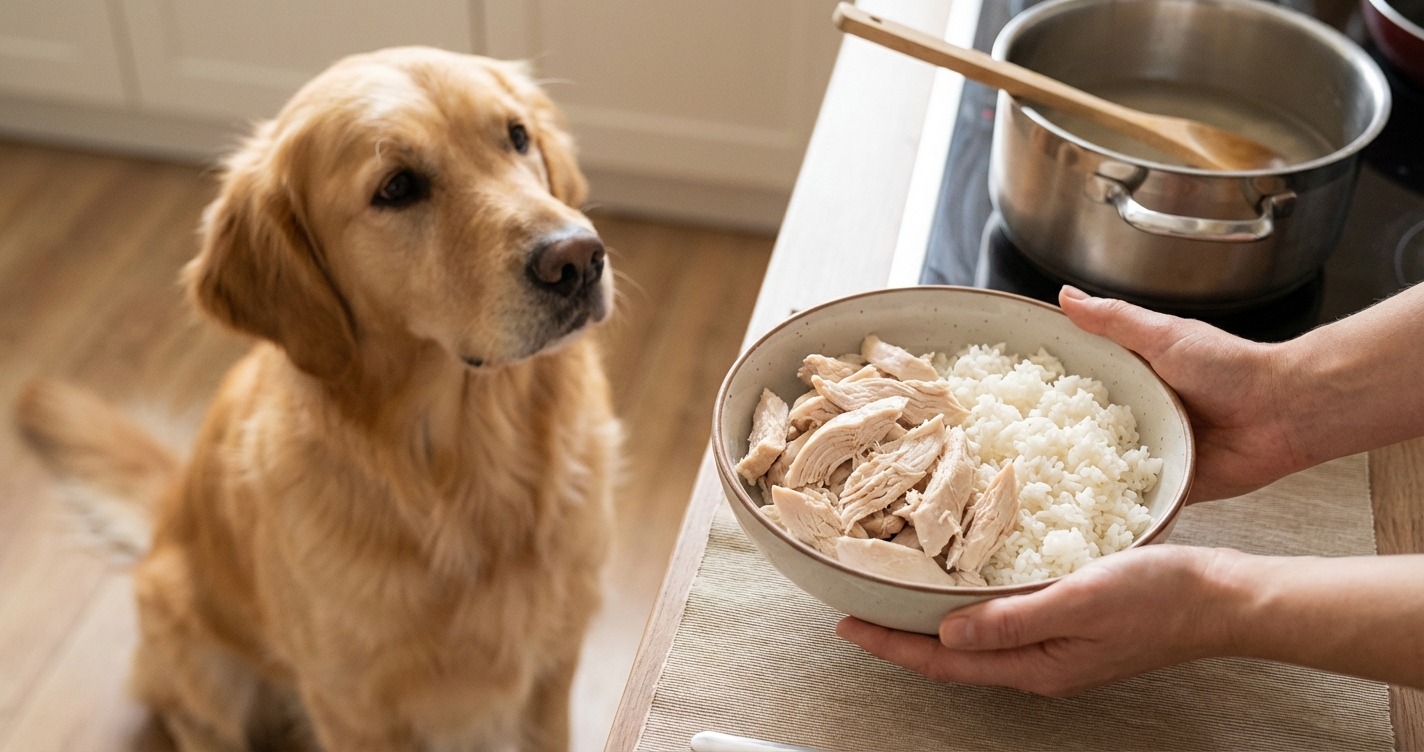
- Try a Healthy Topper: A spoonful of something tasty can entice them to eat. Good options include plain boiled chicken (no skin or bones), a bit of sweet potato, or some sardines in spring water. Always introduce new foods slowly to avoid a dicky tummy.
- Serve it Warm: Gently warming wet food can also enhance its aroma and make it far more interesting for a dog with a flagging appetite.
The Big ‘Don’ts’: Common Mistakes to Avoid
It’s easy to go wrong when trying to help a dog gain weight. The key is patience. Avoid these common pitfalls:
- Don’t Just Double Their Portion: A sudden, massive meal can overwhelm their digestive system, leading to vomiting or diarrhoea. Any increase in food should be done gradually over a week.
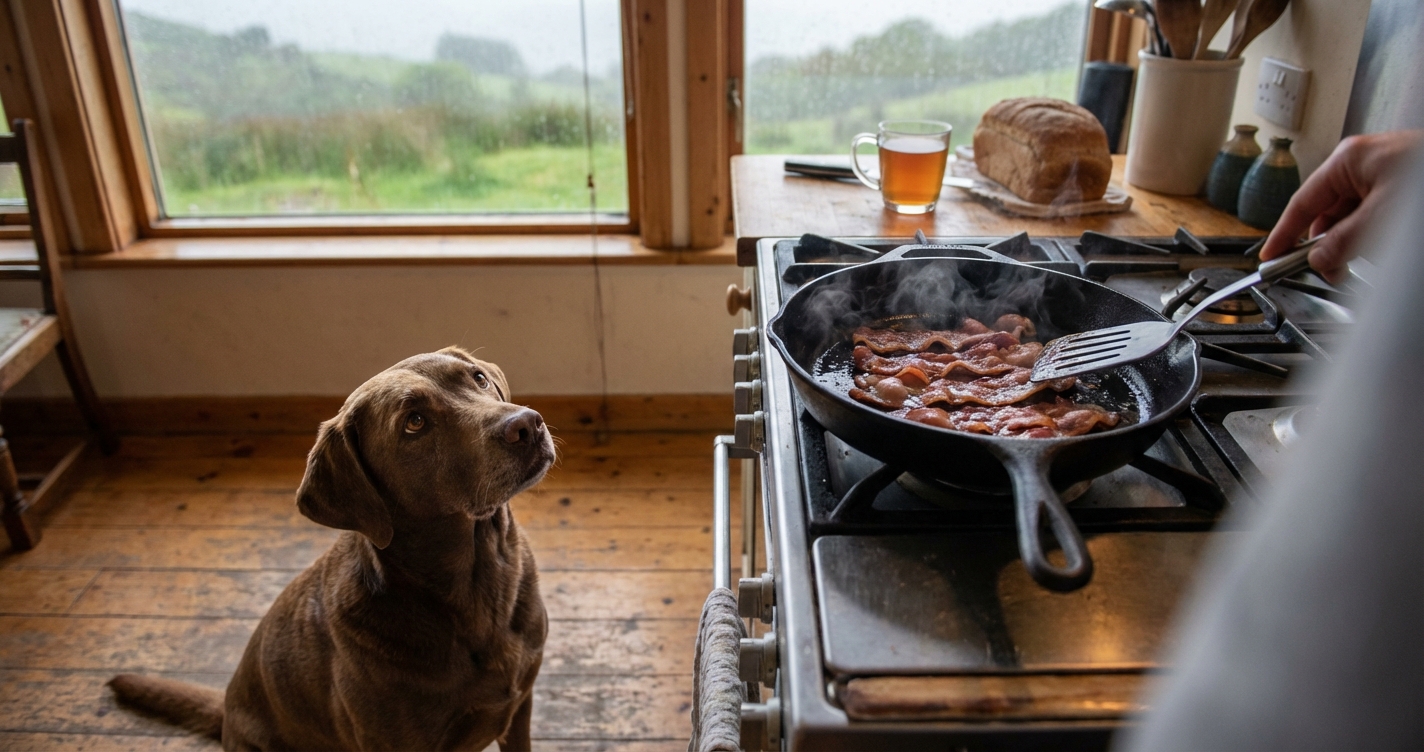
- Don’t Add Unhealthy Fats: Tipping bacon grease or other fatty human food into their bowl is a massive no-no. It can lead to serious health issues like pancreatitis.
- Don’t Expect Miracles Overnight: Healthy weight gain takes time. We’re talking weeks and months, not days. Be patient and consistent.
The Role of Gentle Exercise
It might seem odd to talk about exercise when trying to add weight, but we want to build lean muscle, not just fat. Hard, calorie-burning exercise like endless ball chasing is probably not the best idea right now. Instead, focus on muscle-building activities:
- Steady Walks: Regular, lead-based walks, especially on varied terrain with gentle inclines, help to build muscle tone.
- Controlled Play: Short games of tug or gentle fetch are better than a flat-out sprint across a field.
Think of it as building a healthy body, not just increasing the number on the scales.
Frequently Asked Questions
How long does it take for a dog to gain weight?
It really depends on the dog, their age, and the reason for the weight loss. A healthy, sustainable rate of gain might be a pound or so a month for a medium-sized dog. Your vet can give you a target weight and a realistic timeframe.
What are the best dog foods for weight gain?
Look for foods labelled as ‘performance’ or ‘active’ formulas, as they tend to be higher in calories and protein. High-quality puppy food is also a good option. The key is to find a food that agrees with your dog’s digestion.
Can I just give my dog human food to help them gain weight?
It’s best to be very cautious. While small amounts of things like boiled chicken or plain pumpkin can help, many human foods are unsuitable or even toxic. Stick to their balanced dog food as the main source of calories to ensure they get all the right vitamins and minerals.

Related Posts