How Long is Too Long in a Dog Crate? A No-Nonsense Look
I remember the first time I had to leave my young spaniel, Pip, on his own for more than an hour. The heavens had opened—as they often do here in the Peaks—and I was staring out at the grey, thinking about him staring at the door. The guilt was immense. I’d set up his crate to be a cosy little den, full of blankets and a favourite chew toy, but still, you worry. Is he bored? Does he need a wee? Is this fair?
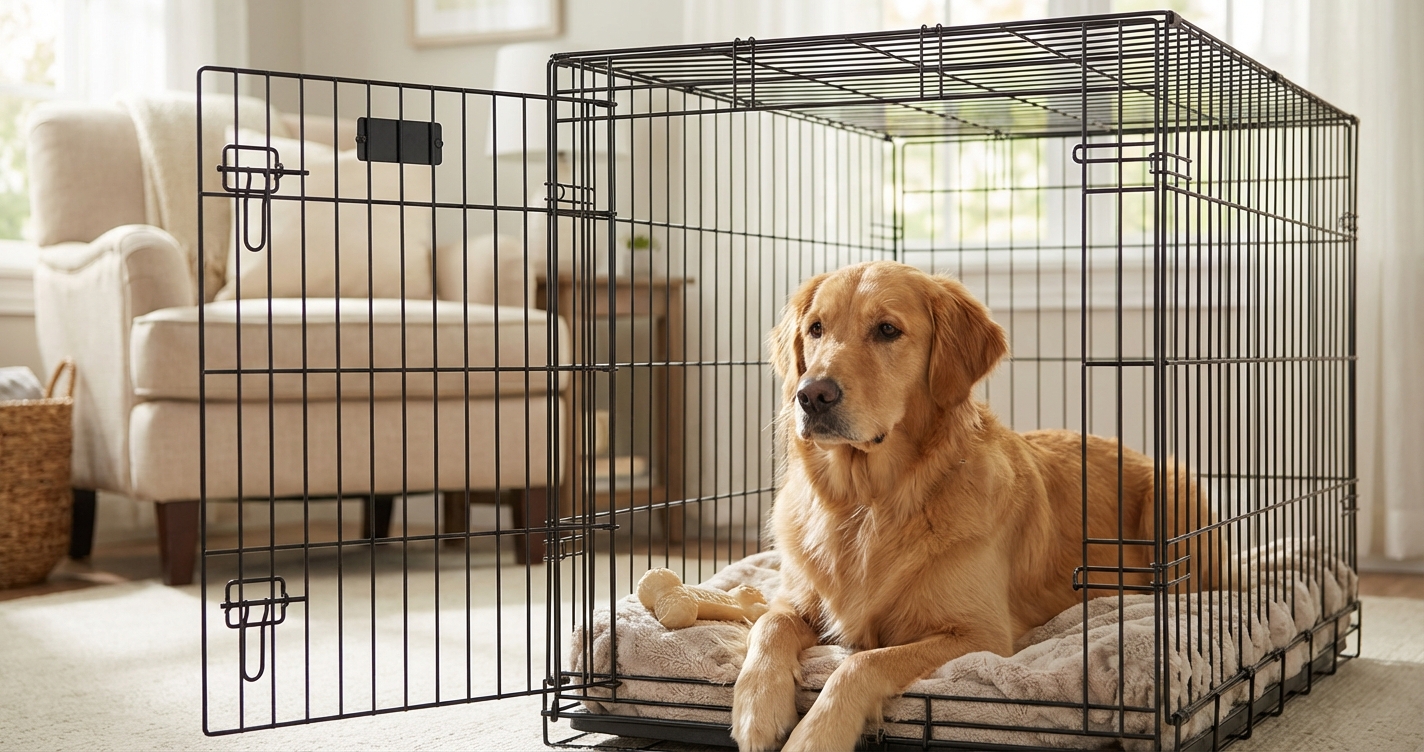
It’s a question that ties most dog owners in knots. We want to do right by our four-legged mates, but life, work, and the weekly shop get in the way. A crate can be a fantastic tool for safety and security, but it’s crucial to remember its purpose: it’s meant to be a dog’s personal den, a safe retreat—not a prison cell. So, let’s get down to brass tacks and figure out what’s reasonable and what’s pushing it.
Crate Time Limits by Age: A Quick Reference
A dog’s ability to hold its bladder and cope with being alone changes dramatically with age. There’s no single answer that fits all, but here’s a generally accepted starting point. Think of this as a rule of thumb, not gospel.
- 8-10 Weeks Old: Blimey, they’re just babies. Their bladders are tiny. You’re looking at a maximum of 30-60 minutes at a time during the day.
- 10-16 Weeks Old: They’re getting the hang of things. A common formula is their age in months plus one. So, a 3-month-old pup might manage up to 4 hours, but that’s pushing it. Regular potty breaks are non-negotiable.
- 4-6 Months Old: Bladder control is much better. They can likely handle 4-5 hours. This is often the stage where they can start holding it through the night.
- 6-12 Months Old: Your adolescent dog can probably manage around 6 hours comfortably, provided they’ve had a good walk beforehand.
- Adult Dogs (1-7 years): A healthy, well-adjusted adult dog can often stay in a crate for up to 8 hours. However, this should be the absolute maximum and not a daily routine if it can be helped.
- Senior Dogs (7+ years): Older dogs may need more frequent toilet breaks, much like puppies. Their health can change, so 4-6 hours might be a more realistic limit. Pay close attention to their needs.
Key Takeaway: The ‘age in months + 1 hour’ rule is a handy starting point for puppies, but always observe your individual dog’s needs.
More Than Just Age: What Else Affects Crate Time?
Sticking to the clock is one thing, but a bit of common sense goes a long way. Several factors can shorten the time your dog can comfortably spend in their crate.
Bladder Control & Potty Schedules
This is the big one. A dog forced to hold it for too long is uncomfortable and at risk of urinary tract infections (UTIs). Always, always give them a chance to relieve themselves before crating and immediately after you let them out.
Breed Size and Energy Levels
Think about it. A sleepy Basset Hound has very different needs to a Border Collie that’s buzzing with energy. High-energy breeds will get bored and frustrated much faster if left crated without enough physical and mental exercise beforehand. A tired dog is a happy, settled dog.
Individual Temperament and Anxiety
Some dogs take to a crate like a duck to water. Others find it stressful. If your dog suffers from separation anxiety, a crate can sometimes make it worse. It’s vital to build a positive association and never use the crate as a punishment.
Health Bits and Bobs
Any underlying health condition, from a dodgy tummy to joint pain in an older dog, can affect how long they can be crated. If your dog is on medication that increases urination, you’ll need to adjust your schedule accordingly.
The Absolute Maximum: Is 8 Hours Really Okay?
Let’s be practical. Most of us work a standard 8-hour day. For a healthy adult dog, an 8-hour stretch in a crate is achievable but it is the upper limit. This does not account for your commute, meaning the total time alone can easily creep up to 9 or 10 hours, which is simply too long.
Consider this: An 8-hour crating period means no water (to avoid accidents), no stretching, no changing position freely, and no mental stimulation. If this is a daily occurrence, it can lead to problems. It’s not a sustainable long-term plan for the dog’s well-being.
The Risks of Getting It Wrong
Pushing the limits isn’t just unkind; it can cause real harm. Over-crating can lead to both physical and psychological issues that are difficult to undo.
- Physical Problems: UTIs are a major concern, as are muscle stiffness and atrophy from a lack of movement.
- Mental Well-being: A bored, under-stimulated dog can become anxious, depressed, or destructive. They might start chewing their bedding, barking incessantly, or becoming frantic when you leave.
What About Crating Overnight?
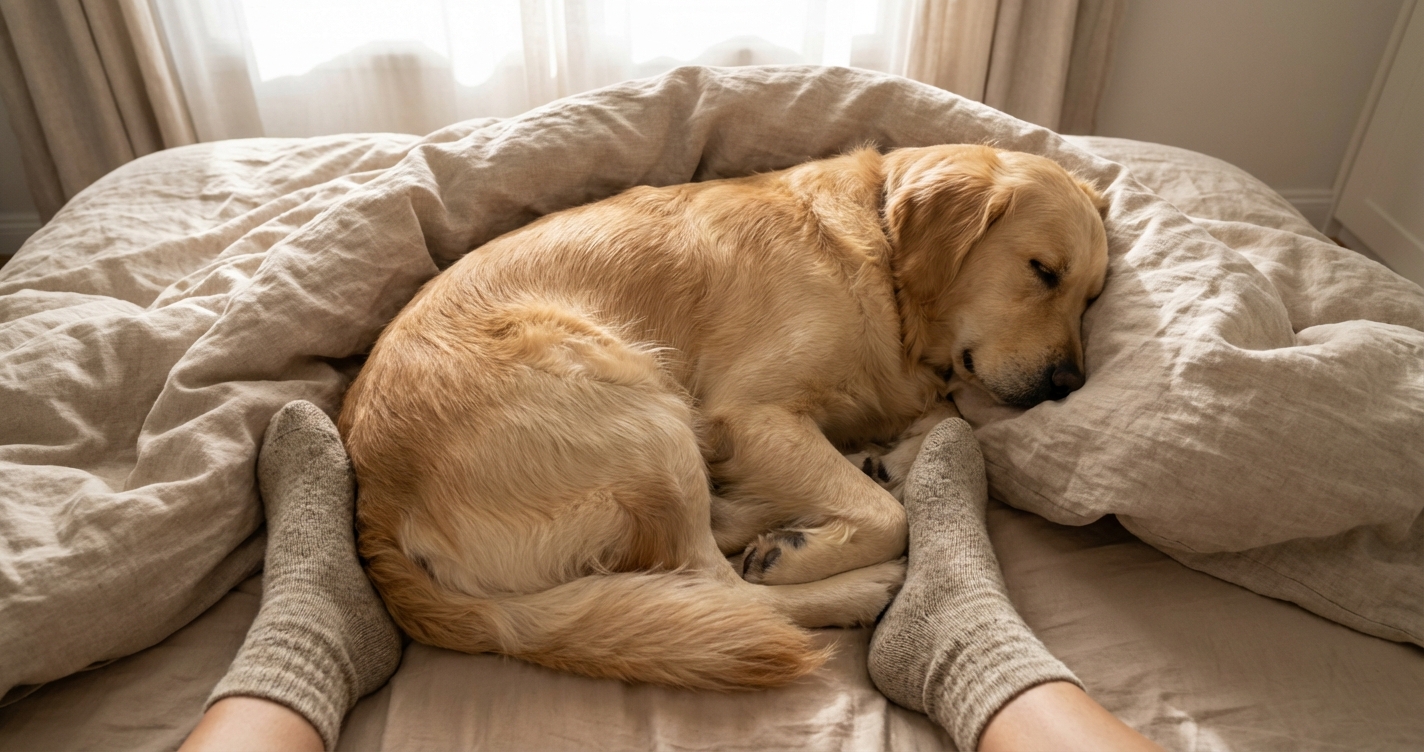
Crating at night is a different kettle of fish. A dog’s metabolism slows down when they sleep, just like ours does. This means their need to go to the toilet is reduced. Most adult dogs, and puppies over 6 months, can comfortably sleep in their crate for a full 6-8 hours overnight without any issues, provided they had a final potty break right before bed.
When a Crate Isn’t the Answer: Practical Alternatives
If you regularly need to leave your dog for longer than they can handle, a crate might not be the right tool for the job. Luckily, you’ve got other options.
- Dog-Proofed Rooms: A utility room or kitchen, with all hazards removed (bins emptied, wires covered, food put away!), can be a great alternative. Use a baby gate to secure the doorway. This gives them more room to stretch and wander.
- Exercise Pens: These are like portable playpens for dogs. You can set one up in a safe area, giving them more space than a crate but still keeping them contained.
- Calling in the Cavalry: If your budget allows, hiring a dog walker for a midday break is a fantastic option. It breaks up the day, gives them a chance to relieve themselves, and burns off energy. Doggy daycare is another brilliant solution for sociable dogs.
Frequently Asked Questions
Can I crate my dog for 8 hours while at work?
For a healthy adult dog, this is the absolute maximum and not ideal as a daily routine. You must factor in your commute time. If your dog is alone for more than 8-9 hours in total, you should look into alternatives like a dog walker or dog-proofed room.
What should I put in my dog’s crate?
Comfortable, chew-proof bedding is a must. A safe, durable chew toy (like a filled Kong) can provide mental stimulation. It’s best to remove collars and harnesses to prevent snagging. While you can leave water in a spill-proof bowl, many owners remove it for longer periods to avoid accidents.
What if my dog cries in the crate?
Crying can be a sign of distress, boredom, or needing the toilet. Never let a puppy ‘cry it out’ as this can create a negative association. First, rule out a potty need. If they’re just protesting, you may need to go back a few steps in your training, making the crate a happy place with treats and short, positive sessions. If the crying is frantic and persistent, it could be a sign of separation anxiety that needs more specific attention.

Related Posts