From Peaceful Afternoons to Utter Bedlam: A Cautionary Tale
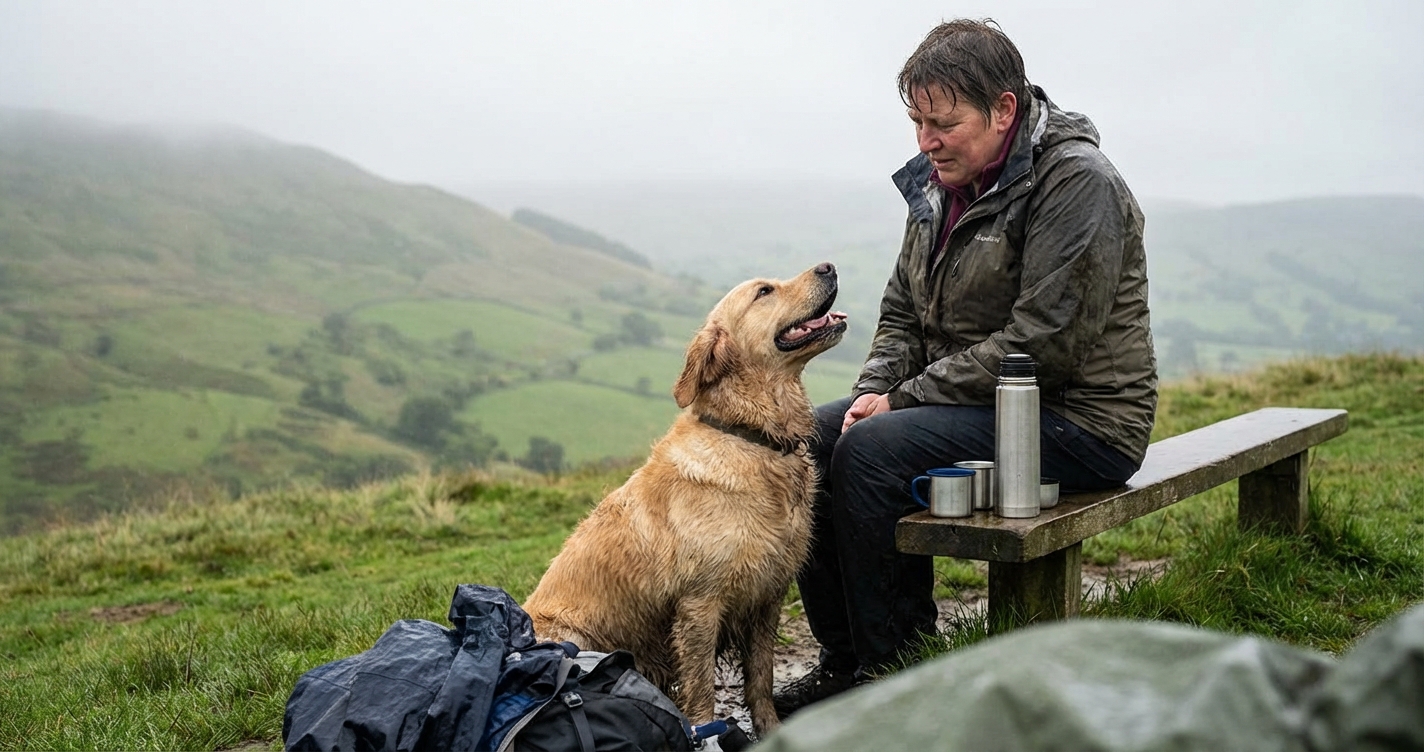
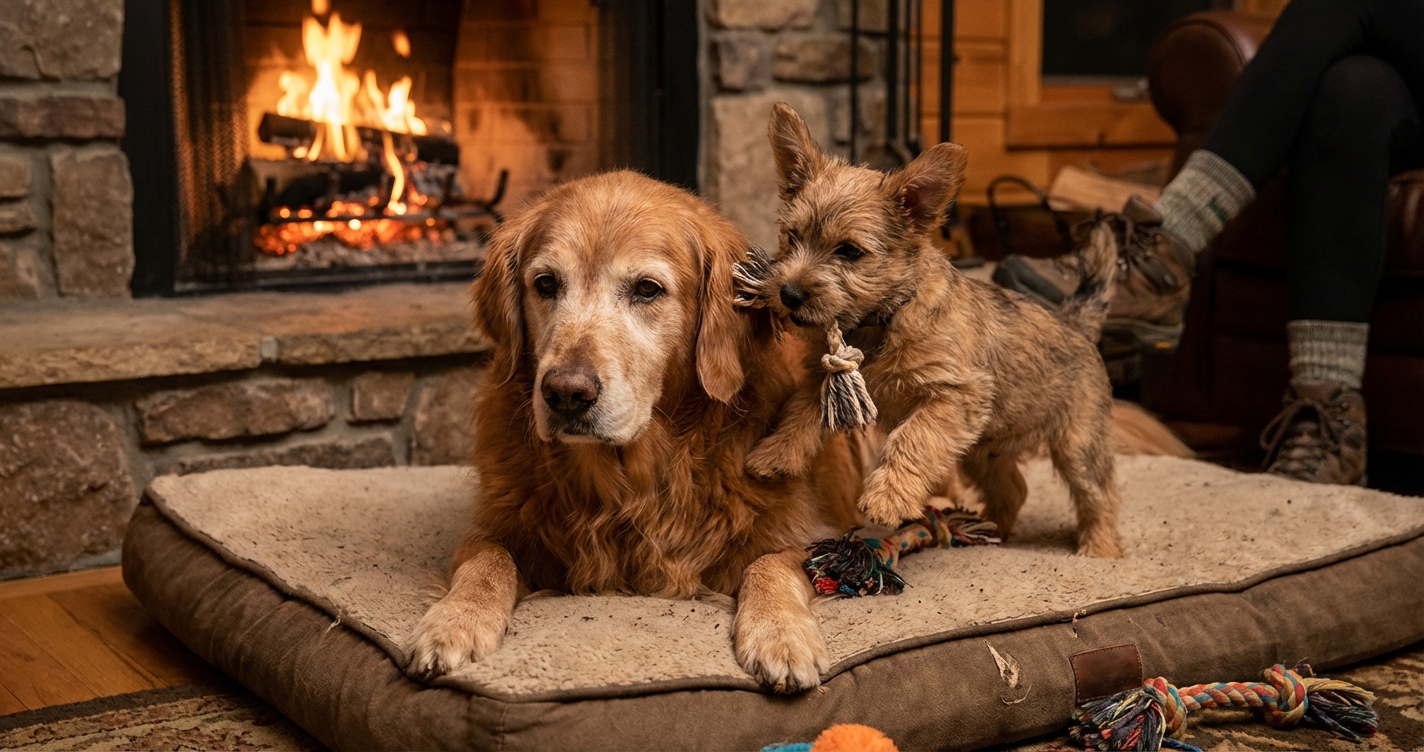
I remember the day we decided to get a puppy. The romantic image was all there: our dignified, older dog, Bert, taking a fluffy new apprentice under his wise wing. They’d curl up together by the fire after a long walk in the Peaks, a perfect picture of canine harmony. The reality, when tiny Pip arrived, was Bert giving me a look of such profound betrayal I thought he was going to pack his bed and move in with the neighbours. That look said it all: “You’ve brought a piranha into my retirement home.”
Bringing a new puppy into a house with an established older dog is a delicate dance. Get it right, and you set the stage for a beautiful friendship. Get it wrong, and you’re living on a permanent knife-edge, refereeing spats over squeaky toys and sleeping spots. But don’t fret. A bit of prep work and a healthy dose of patience can make all the difference between chaos and calm coexistence.
Before the Little Terror Arrives: The Prep Work
Don’t just chuck the puppy in at the deep end and hope for the best. A successful introduction begins long before the new arrival has even chewed through its first pair of your slippers. Think of this as laying the groundwork for peace.
- Scent Swapping: Dogs live in a world of smells. A week or so before the puppy comes home, take a blanket or toy with the puppy’s scent on it and leave it in the older dog’s bed. Do the same for the puppy with your older dog’s scent. This lets them get a ‘profile’ of each other without any of the pressure of a face-to-face meeting.
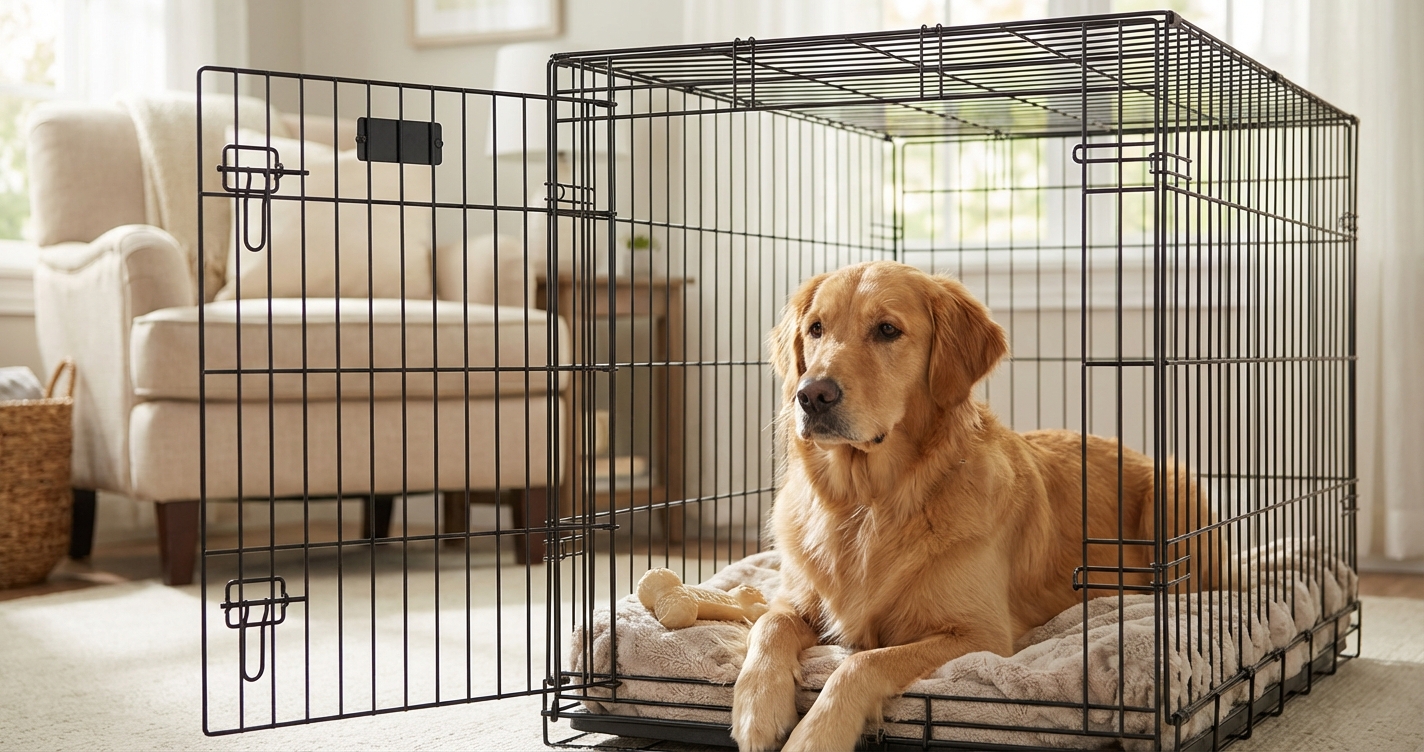
- Set Up a Safe Zone: Your puppy needs a space that is entirely their own, and more importantly, a space your older dog can’t get into. A crate in a quiet corner or a sectioned-off area using baby gates is perfect. This isn’t a prison; it’s a den where the pup can decompress, and your older dog gets a guaranteed break from needle-sharp puppy teeth.
- Double Up on Everything: The root of most arguments? Resources. To head off trouble, make sure you have separate food bowls, water bowls, and sets of toys. The last thing you want is your older dog feeling like this new upstart is here to pinch all their best stuff.
The First Meeting: Making a Good First Impression
Right, the big day. The first meeting is absolutely critical, and the golden rule is simple: do not do it in your house or garden. This is your resident dog’s territory, and forcing a meeting there is like having a stranger turn up in your living room and start using your favourite mug. It’s bound to cause friction.
The Neutral Ground Walk
This is the best way to handle the first ‘hello’. Here’s the practical, step-by-step approach:
- Find a Truly Neutral Spot: This could be a quiet bridleway, a local park you don’t often visit, or even a friend’s securely fenced field. The key is that it’s somewhere your older dog doesn’t feel proprietorial about.
- Bring a Helper: You’ll need two people – one for each dog. This is non-negotiable. Trying to manage two leads and two very different agendas on your own is a recipe for a tangled mess.
- Start with a Parallel Walk: Begin by walking the dogs parallel to each other, but a good 10-15 feet apart. Don’t force them to meet. Let them get used to each other’s presence and movement from a safe distance. Keep the leads loose; a tight lead signals tension and anxiety.
- Allow Brief Sniffs: After a few minutes, if both dogs seem relaxed (no stiff bodies, no hard stares), you can gradually shorten the distance and allow for a quick, three-second sniff of each other’s rear ends. Keep it moving – a quick ‘how do you do’ and then walk on.
- Keep it Short and Sweet: The entire first meeting should be positive and brief. 10-15 minutes is plenty. You want to end on a high note, before either dog has a chance to get overwhelmed or irritated.
Operation ‘Welcome Home’: The First Few Weeks
Once you’re back at the house, don’t assume the successful walk means they’re now best friends. The real work starts now. For the first week, at least, your mantra should be: Management, management, management.
- Separate and Supervise: Continue to use the puppy’s safe zone (crates and baby gates). When they are together in the same room, it must be 100% supervised. The moment you need to pop to the loo or answer the door, the puppy goes back in their safe space.
- Prioritise the Veteran: Always greet, feed, and fuss over your older dog first. This reinforces their position in the household and reassures them that they haven’t been replaced by a younger model.
- Provide Escape Routes: Make sure your older dog can always get away from the puppy. A pestering puppy is draining. Let your older dog retreat to a different room, a sofa the puppy can’t get on, or their bed without being followed and harassed.
Reading the Room: What Are They Really Saying?
Understanding dog body language is like a superpower in this situation. It helps you know when to intervene and when to let them sort it out.
Good signs you’re on the right track:
- Relaxed, wiggly bodies
- Play bows (front end down, bum in the air)
- Taking turns chasing each other
- Ignoring each other completely – this is a great sign of comfortable coexistence!
Warning signs that you need to give them a break:
- A stiff, frozen body: This is a dog thinking very hard about its next move. It’s not good.
- Whale eye: When you can see the whites of their eyes in a crescent shape. A clear sign of anxiety.
- Lip curling and growling: This is clear communication. Your dog is saying “I am not comfortable, give me space.”
- Resource guarding: Standing stiffly over a toy, food bowl, or even you.
The Troubleshooting Section: When It’s Not Going to Plan
Sometimes, even with the best planning, things get a bit rocky. Here’s how to handle common bumps in the road.
“My older dog growled at the puppy! What do I do?”
First off, don’t panic and definitely don’t punish the growl. A growl is vital communication. It’s your older dog’s way of saying, “That’s enough,” or “You’re in my space.” Punishing it is like taking the batteries out of a smoke alarm. Instead, calmly remove the puppy from the situation, give your older dog some space, and take it as a sign you need to slow things down and manage their interactions more carefully.
“The puppy is a relentless pest and won’t leave my older dog alone.”
This is very common. Puppies have no manners. It’s your job to step in. Enforce nap times for the puppy in their crate – an overtired puppy is a nightmare. Actively redirect the puppy with a toy or a short training session when you see them starting to bother the older dog. You are your older dog’s advocate.
“How long will this take?”
How long is a piece of string? For some dogs, it’s a few days. For others, it can be a few months before they settle into a comfortable routine. The goal is peaceful coexistence, not a Disney friendship. If they can lie in the same room without any tension, you’ve won.
Ultimately, a successful integration is about being patient and realistic. It took a good few weeks for Bert to stop looking at Pip like he was something he’d trodden in. But now? Well, they’re not always curled up by the fire, but they do share a contented sigh after a long, muddy walk. And in the real world, that’s more than good enough.

Related Posts