From Puddle-Jumping Passion to Proper Profession
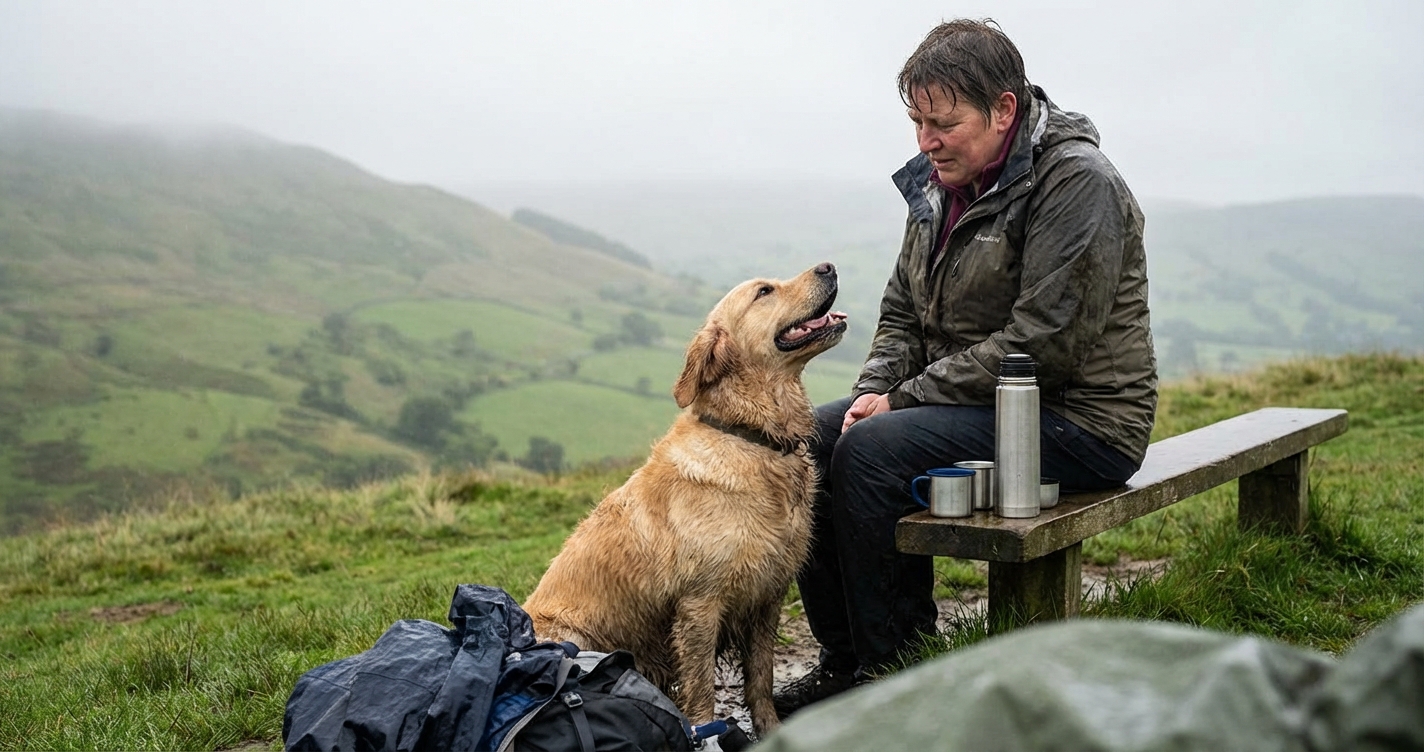
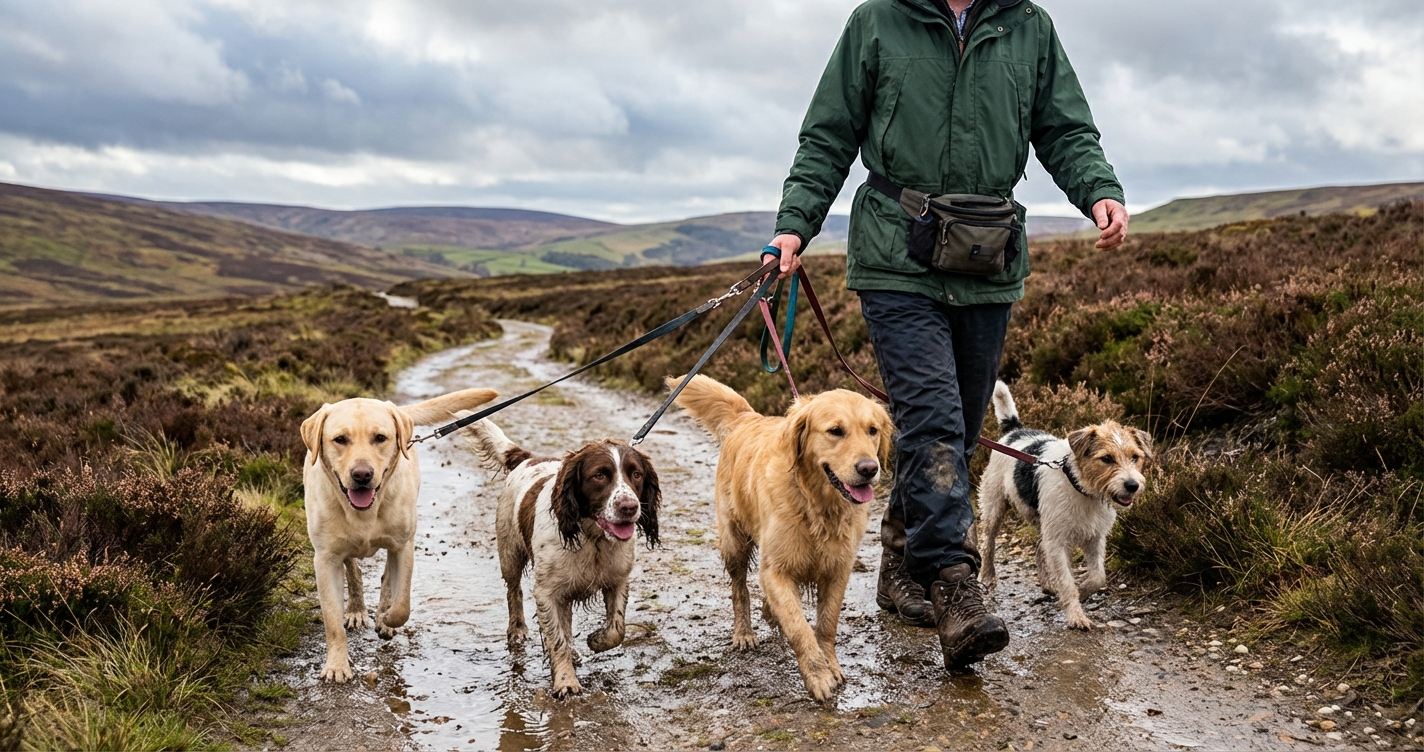
It was one of those Tuesdays. The kind where the rain is coming in sideways across the moors, and you can’t tell where the sky ends and the bog begins. I was out with my own board of directors: Buster, the Labrador, whose entire life is a relentless quest for a dropped sandwich, and Fern, the high-energy Spaniel, who believes mud is a deep conditioning treatment. Back at HQ, Margo, the rescue cat, was no doubt supervising the radiator with an iron will. And as Fern launched herself into another puddle with pure joy, a thought hit me: “I could get paid for this.”
Turning a love for dogs and the great outdoors into a proper, paying business is a brilliant idea. But it’s not quite as simple as just grabbing a lead and heading for the hills. You need a plan. So, I’ve put the kettle on and jotted down a no-nonsense guide to getting started, based on practical reality rather than glossy corporate nonsense. This is how you go from dog lover to dog walker, the proper way.
The Foundations: More Than Just a Walk in the Park
Before you even think about waterproof trousers, you need to lay some groundwork. Getting this bit right saves a world of headaches later on. It’s about figuring out exactly what kind of service you’ll offer and who you’ll offer it to.
Finding Your Niche: Are You a Poodle Person or a Great Dane Dynamo?
You can’t be all things to all dogs. A niche is your specialism, the thing that makes you stand out. It’s about matching your skills and interests to a specific need in your local area.
- Solo Walks for Nervous Dogs: Perfect if you’re patient and calm, offering one-on-one attention to dogs who find groups stressful.
- Adventure Hikes: Got bags of energy like my Fern? Offer long, off-the-beaten-track walks for high-energy breeds.
- Puppy Visits & Short Walks: A lifeline for new owners, focusing on socialisation, house training, and shorter strolls for little legs.
- Large Breed Specialist: If you’re confident and strong, you can become the go-to person for Labradors, German Shepherds, and other gentle giants.
Key Takeaway: Your niche isn’t just about what you enjoy; it’s about solving a specific problem for a specific type of dog owner.
A Bit of Local Snooping (Market Research)
Right, time to see who you’re up against. This isn’t about undercutting everyone; it’s about understanding the local landscape. Have a quiet look online and around your neighbourhood to figure out:
- Who are the other dog walkers in your area?
- What services do they offer (group walks, solo, etc.)?
- What are their prices? (This gives you a ballpark, not a price to copy).
- Do they look professional? Are they fully booked?
What Makes You Special? (Your Unique Value Proposition)
This is your promise to your clients. It’s the answer to “Why should I trust you with my dog?” It’s not just “I love dogs.” It needs to be more concrete.
Good examples include:
- “I’m fully insured and trained in canine first aid.”
- “I only walk a maximum of four dogs at a time for safety and individual attention.”
- “I provide GPS-tracked walk reports, so you see exactly where your dog has been.”
Getting the Paperwork in Order
This is the boring bit, I know. But skipping it is like leaving the gate open – a recipe for disaster. Being a professional means having your ducks (or dogs) in a row.
Choosing Your Business Structure: Sole Trader or Big Cheese?
For most people starting out, becoming a Sole Trader is the simplest path. It means you are the business. You’ll need to register with HMRC for Self-Assessment. A Limited Company is more complex and probably not necessary until you’re much bigger.
The Non-Negotiables: Insurance and Checks
Do not, under any circumstances, walk a dog for money without the right cover. It’s a massive risk to you, the owner, and the dog.
- Public Liability Insurance: This is critical. It covers you if a dog in your care causes an accident, damages property, or injures someone.
- Care, Custody, and Control Insurance: This is an add-on that covers injury to, or loss of, the animal itself while it’s with you.
- DBS Check: A basic Disclosure and Barring Service check shows potential clients you’re trustworthy, especially as you’ll be holding their house keys.
- Canine First Aid Certificate: While not a legal requirement, it’s a huge selling point and could genuinely save a life. It shows you’re serious about animal welfare.
A Proper Business Bank Account
Open a separate bank account for your business, even if you’re a sole trader. It makes tracking your income and expenses so much easier when it’s time to do your taxes. Don’t mix up your poo bag money with your pint money.
Sorting the Finances: What to Charge Per Pooch
Talking about money can feel awkward, but you’re running a business, not a charity. You need to cover your costs and earn a living.
Your Upfront Costs
Before you earn a penny, you’ll have some outgoings. A typical list includes:
- Insurance (annual premium)
- DBS check fee
- Canine first aid course
- Decent leads, collars, and a dog first-aid kit
- A mountain of poo bags and high-value training treats
- Secure vehicle setup (dog guard or crates for the boot)
- Basic marketing (leaflets, a simple website)
Setting Your Rates: Per Hour, Per Walk?
Your pricing will depend on your location, your niche, and what the local market will bear. Common models are:
- Per Hour, Per Dog: The standard. e.g., £12-£15 for a one-hour group walk.
- Solo Walk Premium: Solo walks should always cost more than group walks due to the dedicated attention.
- Second Dog Discount: A reduced rate for a second dog from the same household.
A practical tip: Don’t be the cheapest. People want the best for their dogs, not a bargain-basement service. Price yourself based on your skills, insurance, and the quality of care you provide.
Getting Your Name Out There
Now for the fun bit: finding your first furry clients. You don’t need a massive advertising budget, just a bit of legwork.
- Word of Mouth is King: Tell everyone you know. Your first client is often a friend-of-a-friend.
- Local Connections: Drop off some simple, professional leaflets at local vets, pet shops, and grooming parlours.
- A Simple Online Presence: A Facebook or Instagram page is a great start. Post photos of the beautiful places you walk (get owner permission before posting their dogs!) and share your qualifications.
- Community Noticeboards: The old ways still work! A postcard in the local shop or post office can work wonders.
Managing Your Pack (The Clients)
Once the phone starts ringing, you need a professional process to turn an enquiry into a happy, long-term client.
The ‘Meet and Greet’ is essential. Always meet the owner and dog in their home before your first walk. This is a two-way interview. You’re checking the dog’s temperament, and the owner is checking if they trust you. Be prepared with questions and have your insurance documents ready to show them.
Have your paperwork ready. This should include:
- A simple Service Agreement or contract that outlines your prices, cancellation policy, and terms.
- A detailed Dog Information Form covering everything from vet details and medical history to favourite toys and behavioural quirks.
- A Veterinary Release Form, giving you permission to seek treatment in an emergency.
Frequently Asked Questions
How many dogs can I legally walk at once?
This varies. Some local councils have specific limits, often capping professional walkers at four or six dogs. Check your local council’s rules. From a practical standpoint, never walk more dogs than you can safely control. Safety is always more important than profit.
Do I need a special van?
Not to start with. However, your car must be dog-safe. That means a secure boot with a dog guard or properly installed crates. You also need to accept that your car will be permanently covered in mud and dog hair. It’s just part of the job!
What happens in really bad weather?
Unless there’s a genuine safety risk (like extreme heat or a severe storm), the dogs still need walking. This is what you’re paid for. Investing in top-quality waterproofs and walking boots is not an indulgence; it’s essential kit.

Related Posts