The Human Hot Water Bottle: Why Your Dog Insists on Sleeping Between Your Legs
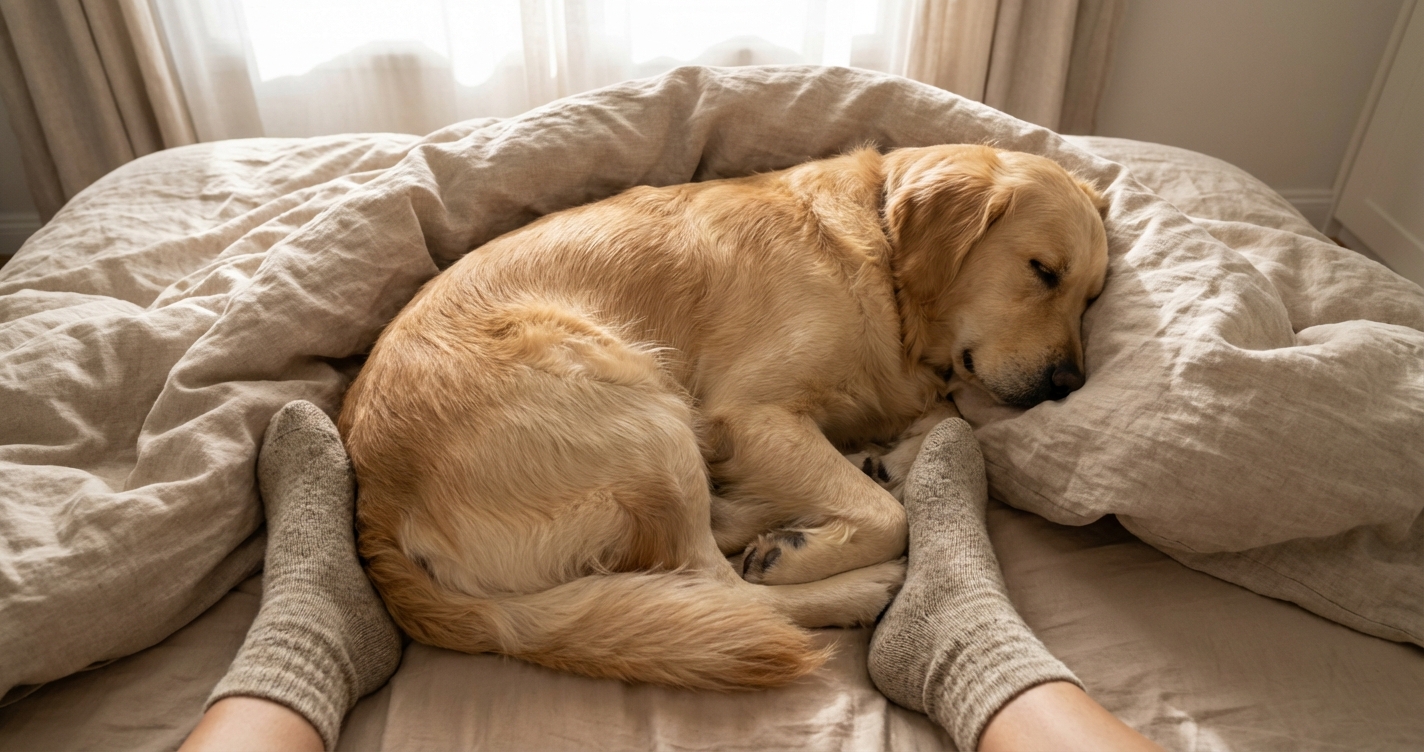
I woke up the other morning with a distinct inability to bend my knees. The culprit? A 30-kilo Labrador, snoring contentedly, wedged firmly into the gap behind my legs like a furry, breathing hot water bottle. If you’ve ever woken up in a similar state of dog-induced paralysis, you’ve probably wondered the same thing I did: why on earth do they do that? Is it a weird power play? Or just a peculiar search for comfort?
Well, the long and short of it is, this is an incredibly common behaviour. More often than not, it’s your dog’s way of giving you a massive compliment. Let’s get to the bottom of why your legs have become your dog’s favourite four-poster bed.
The Core Reasons Your Dog Chooses Your Legs as a Bed
It’s not just a random choice. This sleeping position is rooted in deep-seated canine instincts and the unique bond you share. Here are the main drivers behind the behaviour.
A Nod to the Wolf Within: Pack Instincts
Before they were dozing on our duvets, dogs were wild animals. Their ancestors, wolves, are pack animals through and through. Sleeping huddled together offers warmth, but more importantly, it provides security and protection. There’s safety in numbers. By squeezing in between your legs, your dog isn’t just getting cosy; they are reinforcing that you are a key member of their pack. In their mind, they are both protecting you and being protected by you.
The Ultimate Cosy Nook: Warmth and Comfort
This one’s dead simple, really. The space between or behind your legs creates a perfect little den. It’s warm, soft, and enclosed on at least two sides. This den-like space provides a profound sense of security. Your body heat keeps them toasty, and the confined area makes them feel safe from any perceived threats while they’re off in the land of nod, chasing dream squirrels.
The Highest Compliment: A Sign of Trust and Affection
For any animal, sleeping is a vulnerable state. By choosing to sleep in such close contact with you, your dog is showing immense trust. They feel completely safe and relaxed in your presence. This physical closeness also strengthens your bond, releasing oxytocin (the “love hormone”) in both you and your dog, much like a hug does for people. It’s a quiet, constant affirmation that you are their safe person.
On High Alert: Guarding and Protective Instincts
Some dogs, particularly those with a natural guarding instinct, might choose this spot for tactical reasons. From this position, they can feel your every twitch and movement. If you were to get up in the night, they’d know instantly. It allows them to be a furry little security guard, ready to spring into action to protect their most valued resource—you.
When to Look a Little Closer: Could It Be Anxiety?
While this behaviour is usually a lovely sign of affection, it can occasionally be a symptom of underlying anxiety, particularly separation anxiety. If your dog *cannot* settle unless they are physically touching you, it might be worth paying closer attention.
Ask yourself if this behaviour is paired with any of these other signs:
- Following you from room to room, never letting you out of their sight (often called a ‘velcro dog’).
- Becoming distressed, destructive, or barking excessively when you leave the house.
- Pre-departure anxiety, like panting or pacing as you get your keys and put on your coat.
If your dog is showing several of these signs, their need for constant contact might be rooted in insecurity rather than just affection. If you have concerns, it’s always best to have a chat with your vet or a qualified canine behaviourist.
The Big Question: Should You Let Your Dog Sleep There?
Honestly, this is entirely up to you. There’s no right or wrong answer, only what works for you and your dog.
- The Pros: It’s a wonderful bonding experience that strengthens your connection. It provides comfort and security for your dog, and let’s be honest, it can be quite comforting for us, too.
- The Cons: It can lead to a rubbish night’s sleep for you. A bigger dog can cause cramps or pins and needles, and any dog can disturb you by fidgeting or dreaming. In some rare cases, it could foster a bit of possessiveness over you or the bed.
Reclaiming Your Space: Gently Redirecting Your Dog
If you’re finding your sleep is being disturbed, you don’t have to put up with it. You can absolutely teach your dog to sleep elsewhere without damaging your bond. The key is positive reinforcement, not punishment.
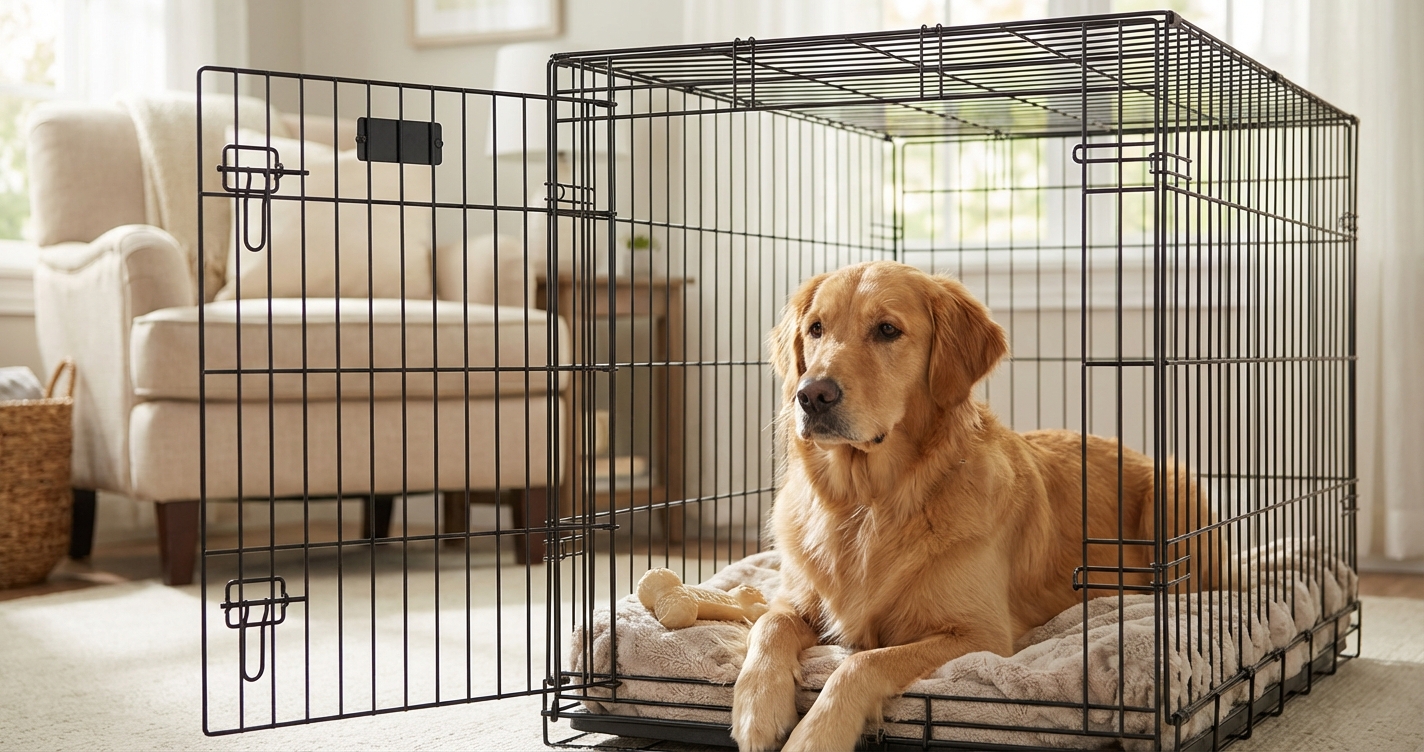
- Create a Five-Star Alternative: Make their own bed the most appealing place in the room. A comfy, high-quality bed, perhaps with a blanket that smells of you, can make a world of difference.
- Use a Cue: Teach a simple cue like “on your bed”. Lure them to their bed with a tasty, high-value treat. When they get on, say your cue and give them the treat. Repeat this often.
- Reward the Choice: If you see them choose their own bed, reward them for it! A quiet “good dog” or a dropped treat will reinforce the decision.
The Long and Short of It
In the vast majority of cases, a dog sleeping between your legs is simply a beautiful expression of their love, trust, and deep-seated pack instinct. They see you as family, a source of warmth, and their ultimate protector. So, the next time you wake up pinned down by your furry friend, you can smile, knowing you are, quite literally, their safe space in the world. Even if it does mean you can’t feel your feet for a few minutes.

Related Posts