Why Is My Dog Whining? A Practical Guide to Cracking the Code
The other evening, I was trying to watch the telly. The house was quiet, save for the gentle hum of the fridge and the odd rumble from Margo, the cat, who’d claimed the best spot by the radiator. Then it started. A low, pathetic, drawn-out ‘woooooooe’ from the dog bed. It was Buster, the Labrador, staring at me with eyes so full of sorrow you’d think I hadn’t fed him since 1982. A quick check confirmed his water bowl was full and he’d been out an hour ago. The culprit? An empty biscuit tin on the side. He was telling me, in no uncertain terms, about the great injustice of it all.
That high-pitched whimper, the yelp, the sorrowful cry – it’s one of the main ways our dogs talk to us. It’s their equivalent of tapping us on the shoulder. But unlike Buster’s blatant biscuit-based blackmail, it’s not always so easy to work out what they’re trying to say. Whining is a complex vocalisation, and cracking the code is key to a happy, quiet life for everyone involved.
First, A Very Important Pit Stop: Could It Be Pain?
Right, before we go any further, let’s get the serious bit out of the way. If your dog has started whining out of the blue, or the whining has changed in tone or intensity, your first port of call must always be your vet. A sudden change in vocalisation can be a primary sign of pain or discomfort.
I’m just a chap who spends his days with a food-obsessed Lab, a high-octane Spaniel, and a cat who runs the show. I am not a vet or a professional behaviourist. Think of this as a chat over a garden fence, not a diagnosis. Always get a proper medical opinion to rule out any underlying health issues.
Keep an eye out for whining accompanied by:
- Limping or difficulty moving
- Reluctance to be touched or picked up
- A hunched posture
- Panting or shaking when at rest
- A change in appetite or toilet habits
If you see any of these signs, stop reading this and ring your vet. Seriously.
The Whining Detective: Decoding the 7 Main Culprits
Once you’ve had the all-clear from the vet, you can put on your detective hat. A dog’s whine isn’t a one-size-fits-all noise. The context, their body language, and the pitch can all give you clues. Let’s break down the usual suspects.
1. The “Pay Attention To Me!” Whine
This is Buster’s speciality. It’s a direct, often insistent noise, usually accompanied by a hard stare. They’ve learned that this sound makes the big human with the thumbs do something – whether it’s a fuss, a treat, or a game of fetch. It’s communication at its most basic: “Oi, you. Over here. I require something.”
2. The “Wobbly Lip” Whine (Anxiety or Fear)
This whine is often higher-pitched and can be accompanied by other signs of stress like yawning, lip-licking, or a tucked tail. You might hear it during a thunderstorm, when visitors arrive, or in a new, unfamiliar place. It’s your dog saying, “I’m a bit overwhelmed and not sure how to handle this.”
3. The “Tail at Warp Speed” Whine (Excitement)
My Spaniel, Fern, is the queen of this one. It’s the sound of pure, unadulterated joy that can’t be contained. You’ll hear it when you pick up their lead, grab the car keys, or when a favourite person comes to the door. It’s less of a cry for help and more of a squeal of delight, often paired with yips, barks, and frantic wiggling.
4. The “Please Don’t Be Cross” Whine (Appeasement)
This is a submissive gesture. If a dog feels threatened or is being told off, they might whine to show they are not a threat. It’s their way of waving a white flag and saying, “I come in peace! Let’s all be friends.” It’s often paired with avoiding eye contact, lowering their head, and tucking their tail.
5. The “I’m So Bored” Whine
This is often a long, drawn-out, sigh-like whine. It’s the sound of a dog with nothing to do. They’ve had a nap, they’ve looked out of the window, and now they are broadcasting their utter lack of entertainment to the world. A bored dog is a dog looking for a job to do – and whining is their application form.
6. The “It Worked Last Time” Whine (Learned Behaviour)
This is closely linked to attention-seeking, but it’s a bit more specific. We are brilliant at accidentally teaching our dogs to whine. If a dog whines at the dinner table and gets a little scrap of food to quieten them down, they’ve just learned a valuable lesson: whining equals roast chicken. They will use this knowledge again. And again.
7. The “I Genuinely Need Something” Whine
Sometimes, the reason is simple and practical. This whine is often sharp and purposeful. They might be standing by the back door, nudging their water bowl, or looking expectantly at the door you just closed. They need the loo, they’re thirsty, or their favourite ball has rolled under the sofa. It’s a problem they need your help to solve.
Right, I Think I Know Why. Now What?
Figuring out the ‘why’ is half the battle. Once you have a good idea of the cause, you can start to address it. Here are some practical steps for the most common culprits.
- For Attention & Learned Whining: This is the hard one. The key is to completely ignore the whining and reward the quiet. As soon as the whining stops, even for a second, praise them calmly or give them a treat. It feels cruel, but giving in teaches them that whining works. Be consistent and patient; it takes time to un-learn a behaviour.
- For Boredom: A tired dog is a quiet dog. Increase their physical exercise with an extra walk or a good run in a secure field. More importantly, exercise their brain. Puzzle toys, snuffle mats, and a bit of basic training for five minutes can work wonders.
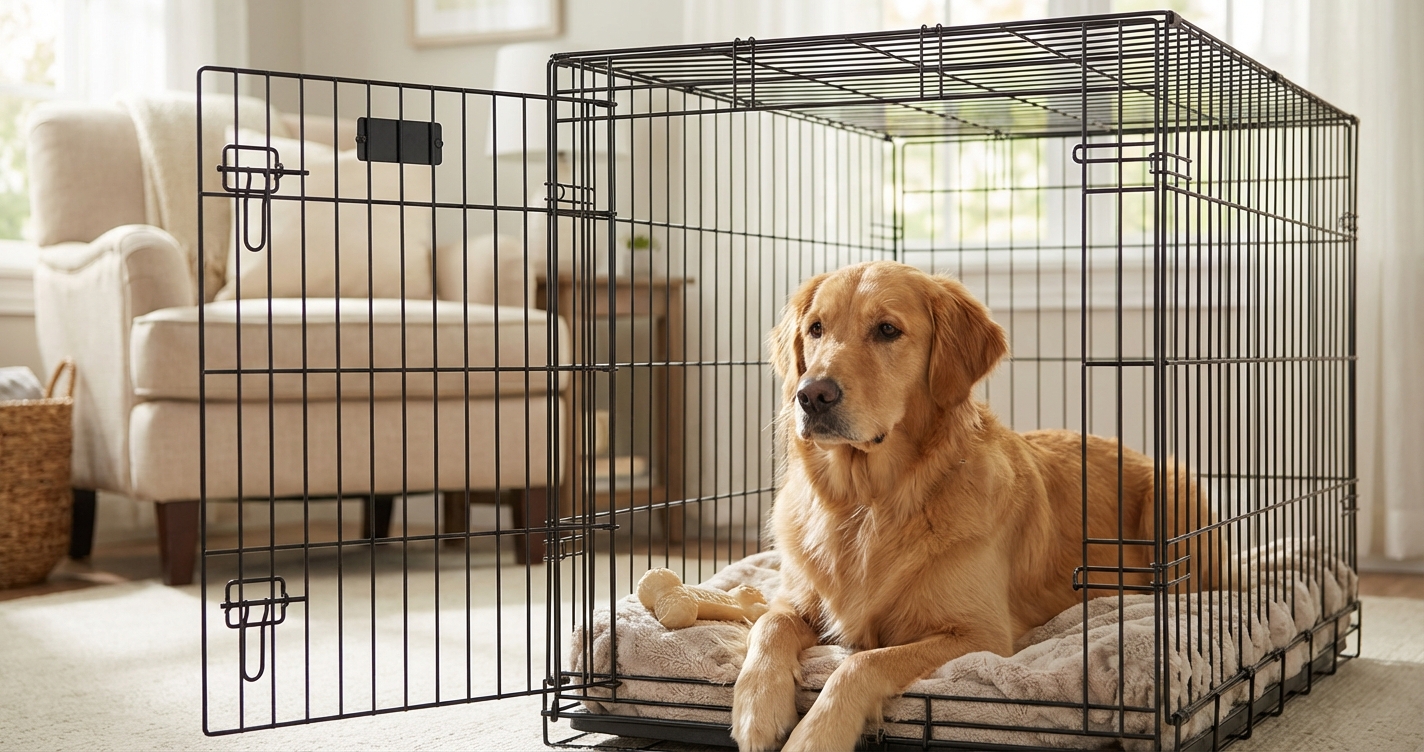
- For Anxiety & Fear: Don’t coddle them, but do provide reassurance. Create a safe, cosy den for them where they can retreat when they feel overwhelmed. For predictable fears like fireworks, use calming music or distractions. If anxiety is a serious issue, it’s time to call in a professional.
- For Excitement: Teach them that calm behaviour gets the reward. If Fern goes into a whining frenzy when I get the lead, I simply stand still and wait. The second she is quiet and all four paws are on the floor, the lead gets clipped on. It teaches them that calmness, not chaos, makes the good stuff happen.
When to Call in the Professionals
While most whining can be managed at home, sometimes you need to bring in reinforcements.
- A Veterinarian: As mentioned, this is your first stop for any new, sudden, or worrying whining to rule out pain.
- A Certified Dog Behaviourist: If the whining is linked to severe anxiety, separation issues, or aggression, please seek help from a qualified professional. They can create a proper management plan tailored to your dog’s specific needs.
A Final Thought From The Pen-Pusher
At the end of the day, your dog isn’t whining to annoy you. They’re communicating the only way they know how. By listening to what they’re saying with their voice and their body, you can strengthen your bond and work towards a more peaceful, understanding home. It takes a bit of patience and detective work, but it’s worth it. Now, if you’ll excuse me, I think I hear a certain Labrador rattling his empty food bowl in protest.

Related Posts