From Independent to Inseparable: What’s Going On?
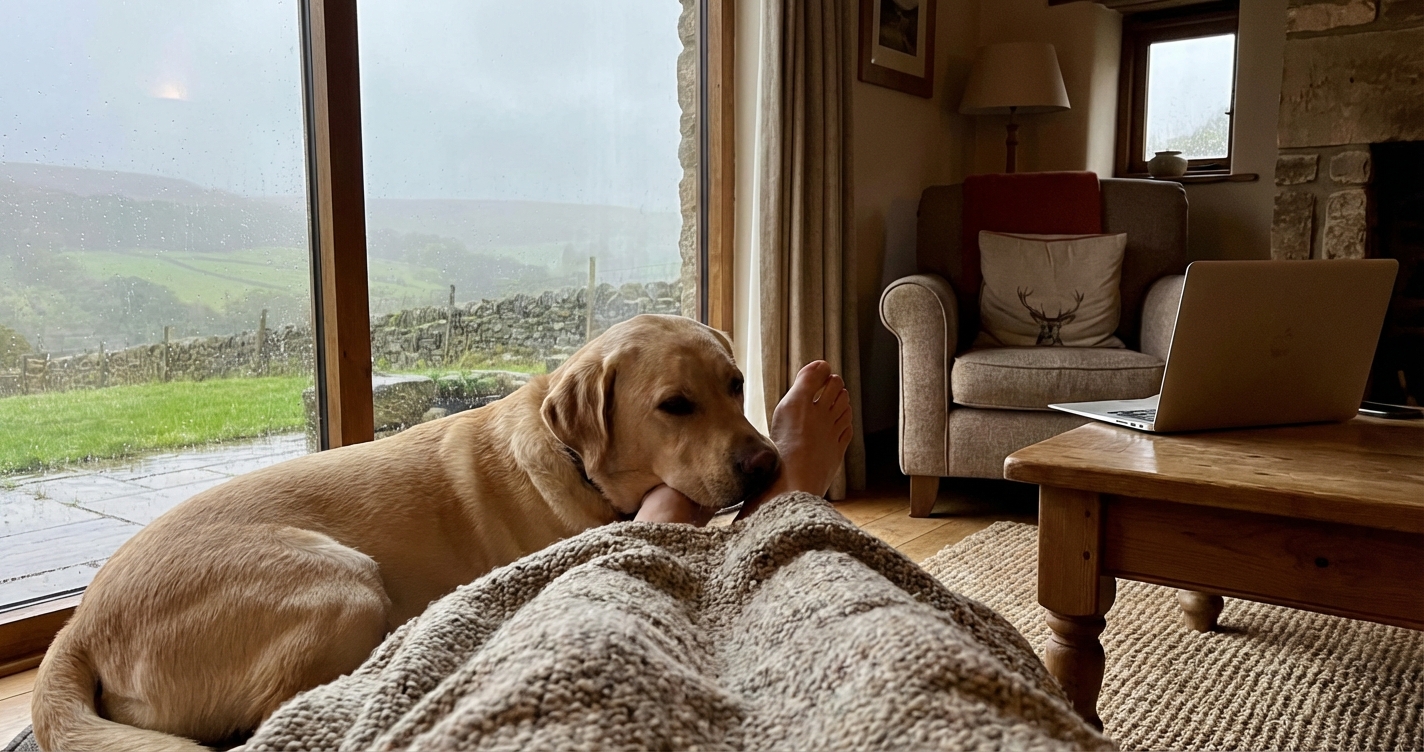
It was a Tuesday. A particularly damp and dreary Peak District Tuesday, the kind where the clouds seem to be sitting on the roof. I was trying to get a bit of work done, but my concentration was shot. Not by the rain drumming on the window, but by a 30-kilo Labrador who had, for the last hour, decided his sole purpose in life was to function as my foot-warmer, head-rest, and constant, breathing shadow. Every time I shifted in my chair, an anxious head would pop up. Every time I stood up, he was there, blocking the way to the kettle. He’s usually a fairly independent soul, happy to snooze in his own bed, but suddenly, he was stuck to me like glue. It’s a bit flattering at first, isn’t it? But then, the worry starts to creep in. Why the sudden change? If your dog has suddenly become your second skin, you’re not alone, and it’s right to be asking questions.
Is It Just a Bloke Thing?
You’ve noticed this behaviour in your male dog, and it’s fair to wonder if his gender has anything to do with it. The long and short of it is, not really. While un-neutered males might have different drives, the core reasons for a sudden onset of clinginess are almost always universal. It’s less about him being a lad and more about what’s going on inside his head or his body. So, let’s put the ‘male’ part to one side for a moment and look at the whole picture.
A Practical Checklist: Unpicking Clingy Behaviour
When a dog’s behaviour changes out of the blue, there’s always a reason. The trick is to work through the possibilities logically, like a detective. Here’s a common-sense checklist to start with.
First Port of Call: Rule Out Physical Problems
Before you dive into complex behavioural theories, you must check if your dog is feeling unwell or is in pain. This is the absolute number one priority. A dog can’t tell you their back is twinging or their stomach hurts, but they can seek comfort and security from you. It’s often the most subtle but most common reason for sudden neediness.
- Hidden Pain: Things like arthritis, a bad tooth, or even an ear infection can make a dog feel vulnerable.
- Tummy Troubles: Nausea or digestive discomfort can make them anxious and seek you out.
- General Malaise: Just feeling under the weather can be enough to make them want to stick close.
Key Takeaway: If the clinginess is new and unexplained, a trip to the vet should be your first step to rule out any medical issues. I’m no vet, and the internet is no substitute for one.
Getting On a Bit: The Senior Years
As dogs get older, their world can become a bit more confusing and frightening. This can lead them to rely on you more heavily for reassurance.
- Failing Senses: A loss of hearing or sight can be incredibly disorienting. Your presence becomes a vital, comforting anchor in a world that’s becoming fuzzy and quiet.
- Canine Cognitive Dysfunction (CCD): This is essentially doggy dementia. Dogs with CCD can get confused about where they are, forget routines, and become very anxious, particularly in the evening. Sticking close to you is a coping mechanism.
What’s Changed in the House?
Dogs are creatures of habit. They might not show it, but they are masters of observing routine and atmosphere. A small change for you can feel like a seismic shift for them.
- New Arrivals or Departures: A new baby, a partner moving in, another pet, or sadly, the loss of a family member (human or animal) can upset the entire social structure.
- Change of Scenery: Have you recently moved house or even just rearranged the living room furniture? This can make a dog feel insecure.
- Routine Shake-up: Are you suddenly back in the office after a long spell of working from home? This is a massive trigger for dogs who have gotten used to your constant presence.
A Bit of a Velcro Dog, or Full-Blown Panic?
It’s important to know the difference between a clingy dog and one with true separation anxiety. They are not the same thing.
- A Velcro Dog simply wants to be in the same room as you. They are your shadow, but they are generally calm as long as you’re there.
- Separation Anxiety is genuine panic when left alone. This involves destructive behaviour, constant barking or howling, and toileting indoors. It’s a serious welfare issue that goes far beyond simple clinginess.
Key Takeaway: Understanding this difference is key. One is a preference, the other is a phobia.
Is He Just Plain Bored?
Sometimes, the answer is remarkably simple: he’s bored out of his skull. A lack of physical exercise and, just as importantly, mental stimulation, can lead to attention-seeking behaviour. Pestering you is a job to do when there are no other jobs available.
So, What Can You Actually Do About It?
Once you’ve had the all-clear from the vet, you can start to address the behaviour at home with a bit of patience and consistency.
Become a Detective: The Observation Journal
This sounds formal, but it’s just a scribble in a notepad. For a week, make a note of when the clinginess is at its worst. Is it at a specific time of day? When a certain noise happens? When someone leaves the room? Spotting a pattern is the first step to figuring out the trigger.
Build a Bit of Independence
The goal isn’t to push your dog away, but to gently show them that being on their own for a moment is safe and rewarding.
- Reward Calmness: When your dog chooses to lie on their own bed, even for a minute, drop a tasty treat their way without a big fuss. You’re rewarding the independent choice.
- Mind Games: Use puzzle feeders or scatter their dry food in the garden to make them use their brain. A mentally tired dog is a happy and more settled dog.
- A Safe Haven: Ensure they have a comfy bed or crate in a quiet corner that is their space. Never disturb them when they are there.
When to Wave the White Flag and Call for Backup
Trying to solve things yourself is commendable, but there are times when you absolutely need to call in the professionals. It’s the kindest thing you can do for your dog.
- If you suspect any pain or illness. Your first and only call should be to the vet.
- If the behaviour is getting worse, or you’re seeing signs of genuine panic. This is the time to find a qualified, force-free animal behaviourist.
- If you think it’s true separation anxiety. This requires a proper management plan from a professional.
- If you’re simply at your wit’s end. There is no shame in asking for help; it shows you’re a responsible owner.

Related Posts